Glazed ceramic wall tile is a practical choice for a kitchen backsplash because its finished surface is designed to handle everyday splashes and wipe-downs. For classic color, consider the TILECLUB blue subway tile; for a light neutral, compare its ivory square tile. Tenedos offers an olive-green square format, while Daltile provides a handcrafted-inspired look. PRIMOON is a porcelain mosaic option for shoppers who want a pebble pattern rather than standard ceramic shapes.
| Product | Best For | Format |
|---|---|---|
| TILECLUB Blue Subway | Color and reflective finish | 2.5-by-8-inch ceramic pieces |
| TILECLUB Ivory Square | Bright, neutral backsplash | 4-by-4-inch ceramic pieces |
| Tenedos Olive Green | Classic square tile in a rich color | 4.25-by-4.25-inch ceramic pieces |
| Daltile Artcrafted | Handcrafted-inspired appearance | 4-by-4-inch glazed ceramic tile |
| PRIMOON Pebble Mosaic | Textured, irregular pattern | Mesh-mounted porcelain mosaic |
TILECLUB Blue Glossy Subway Ceramic Tile

Best for: A kitchen backsplash that needs color, a familiar subway shape, and a reflective glazed face. The blue finish can make the backsplash a focal point, while the rectangular format suits classic running-bond layouts and other common tile patterns.
Each piece measures about 2.5 by 8 inches. A case contains 38 pieces and covers 5.38 square feet. The product information describes kiln-fired ceramic with a glazed face that is sealed against everyday splashes and can be wiped clean. It also notes that ceramic is lighter and easier to cut than porcelain, which can make it convenient for wall projects.
Installation uses thinset mortar or tile mastic on a clean, flat, dry wall; this is not a peel-and-stick product. The listed guidance suggests a 1/16- to 1/8-inch grout joint and recommends adding 10% for cuts and waste. Limitation: The blue color is a more deliberate design choice than a neutral tile, and the case covers only 5.38 square feet.
TILECLUB Ivory Square Ceramic Tile

Best for: A light-colored backsplash with a simple square grid. The ivory-white shade and glossy surface are suited to buyers who want a restrained backdrop rather than a strongly colored or patterned wall. Its 4-by-4-inch size offers a different look from a conventional subway layout.
The product is listed as kiln-fired ceramic with a glazed face. Each tile measures about 4 by 4 inches, and a 60-piece case covers 6.46 square feet. The listing describes the face as sealed against everyday splashes and easy to wipe clean. It specifies standard thinset mortar or tile mastic on a clean, flat, dry surface rather than adhesive backing.
The product information suggests a 1/16- to 1/8-inch grout joint and says the glazed face does not need sealing; cement grout should be sealed in wet areas. For estimating, measure the backsplash, add 10% for cuts and waste, then divide by 6.46 to estimate the number of cases. Limitation: A square grid creates a more regular, block-like pattern than rectangular subway tile, so check that the format suits the intended design.
Tenedos Olive Green Square Ceramic Tile
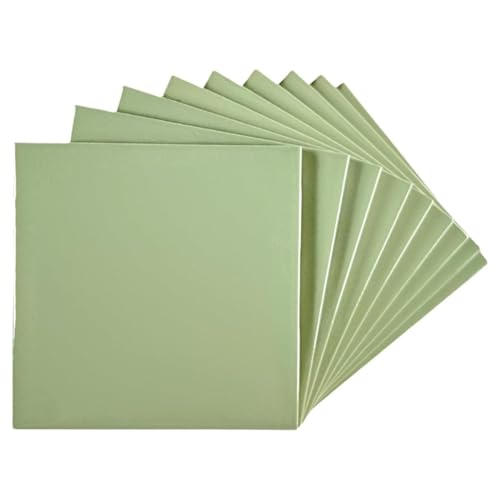
Best for: Shoppers who want a glossy, colored square tile in a classic size. Tenedos measures 4.25 by 4.25 inches, slightly larger than a standard 4-by-4-inch tile, and its olive-green finish can add color without relying on a decorative printed pattern.
The listing identifies this as ceramic wall tile for kitchen backsplashes, bathroom walls, and vanity surrounds. It describes the tile as moisture-resistant and notes that 10 pieces cover 1 square foot. That coverage makes the quantity straightforward to calculate: estimate the backsplash area in square feet, then account for additional material needed for cuts and breakage.
The square format works for a simple grid or can be combined with grout color to change the visual contrast. It is intended for wall use, so follow the installation materials and preparation requirements appropriate for the wall and tile. Limitation: The box covers only 1 square foot, so a larger backsplash will require many boxes; include extra material for the layout and cuts.
Daltile Artcrafted Glazed Ceramic Wall Tile

Best for: Buyers seeking a handcrafted-inspired appearance and a choice of colors. The listed 4-by-4-inch format is a natural option for a square backsplash layout, while the broader Artcrafted collection description also mentions 3-by-12-inch and 1-by-6-inch mosaic formats.
Daltile describes the collection as glazed ceramic wall tile with a glossy finish. Its color palette ranges from creamy neutrals to vibrant accents, and the listing identifies kitchen backsplashes and accent walls as suitable applications. This makes it a useful option for comparing a decorative, character-led look with the simpler appearance of uniform basic tile.
The supplied product information lists 54 pieces per carton and 5.67 square feet per carton. Confirm the exact size, color, and format available for the specific item before planning a layout, because the collection includes multiple formats. Limitation: The supplied details do not specify a particular color or surface variation for this listing, so review the selected variant and sample appearance before ordering enough material for the full backsplash.
PRIMOON Beige Pebble Mosaic Tile

Best for: A backsplash with an irregular pebble pattern and a mix of beige and brown tones. This is a mosaic alternative to the square and subway ceramic tiles above. It is made from porcelain, not standard ceramic wall tile, so it is included for shoppers prioritizing a glazed mosaic appearance.
The listing describes mesh-mounted sheets measuring about 12 by 12 inches and says a five-sheet case covers 5 square feet. The porcelain tile is kiln-fired and described as waterproof, stain-resistant, and heat-resistant. It is listed for kitchen and bathroom wall backsplashes as well as several other tile applications.
Compared with evenly sized subway pieces, the pebble shapes create a more varied surface and a busier visual pattern. The sheet format can help organize the mosaic, but the layout and edges may require careful planning around outlets, corners, and cabinet lines. Limitation: It is porcelain mosaic tile rather than glazed ceramic subway or square tile, and its distinctive pattern may not suit buyers seeking a smooth, uniform grid.
Buying Guide: How To Choose Backsplash Tile
Which shape and layout suit the kitchen?
Choose the tile shape based on the visual effect and the amount of detail you want. Rectangular subway tile, such as the blue TILECLUB option, supports familiar staggered layouts. Square tiles create an orderly grid. A pebble mosaic adds irregular shapes and more visual texture. Before choosing, sketch the wall area and mark outlets, corners, windows, and cabinet edges. These interruptions affect cuts and can influence where a pattern begins.
Should you choose glossy or matte tile?
A glossy glaze reflects light and can make a backsplash appear brighter. It is also described on the listed ceramic products as suitable for wiping away everyday splashes. Reflections can be more noticeable on glossy surfaces, so consider how under-cabinet lighting will hit the wall. Matte tile has a flatter, non-reflective look, but the MSI product supplied for comparison is matte porcelain, not glazed ceramic. Match the finish to the requested look rather than assuming all wall tile is glossy.
How much tile should you buy?
Measure the backsplash width and height, calculate the total square footage, and subtract large areas that will not be tiled if appropriate. Compare that figure with the coverage stated for each case. For the TILECLUB ceramic tiles, the listed guidance is to add 10% for cuts and waste. The peel-and-stick products in the supplied list suggest 3% to 5% overage, but those are not ceramic tile. For patterned layouts, many cuts, or complicated edges, plan carefully and confirm the required overage with the installer.
- TILECLUB blue subway: 5.38 square feet per case.
- TILECLUB ivory square: 6.46 square feet per case.
- Tenedos olive square: 1 square foot per box.
- Daltile Artcrafted: 5.67 square feet per carton, according to the listing.
- PRIMOON pebble mosaic: 5 square feet per five-sheet case.
What installation details should you check?
Confirm whether the product is a traditional tile or a self-adhesive imitation before purchasing. The TILECLUB and Tenedos options are ceramic tile; the PRIMOON option is porcelain mosaic. They are not installed in the same way as peel-and-stick PVC or SPC products. For traditional tile, check the substrate, mortar or mastic requirements, grout-joint size, cutting method, and edge treatment. The TILECLUB listing specifies a clean, flat, dry surface and installation with thinset mortar or tile mastic.
Does the glazed face need sealing?
The TILECLUB square and subway listings say the glazed face does not need sealing, while also noting that cement grout should be sealed in wet areas. Tile and grout are separate materials: a glazed face does not automatically mean the grout needs no care. Follow the grout manufacturer’s instructions and the installer’s recommendations for the conditions in the kitchen. Also check care guidance for the specific tile and cleaning products before use.
How should color and grout be compared?
Ivory and creamy neutrals can create a quiet backdrop, while olive green or blue makes the backsplash more prominent. Grout color changes the apparent geometry: a close match can soften the grid, while stronger contrast emphasizes each tile and joint. Consider cabinet color, countertop pattern, and lighting together. If possible, compare physical samples in the kitchen, since screen images may not show the exact color, gloss, or variation.
FAQ
Is glazed ceramic tile suitable for a kitchen backsplash?
Glazed ceramic wall tile is commonly used for kitchen backsplashes. The listed TILECLUB products describe glazed faces designed to handle everyday splashes and wipe clean. Confirm the product’s intended use and installation requirements before buying.
What is the difference between glazed ceramic and peel-and-stick tile?
Glazed ceramic is a traditional tile product installed with mortar or mastic and grout. Peel-and-stick products use an adhesive backing and may be made from PVC or SPC rather than ceramic. They have different materials and installation requirements, so they are not interchangeable.
How many square feet does one box cover?
Coverage depends on the product. The listed cases range from 1 square foot for Tenedos to 6.46 square feet for TILECLUB ivory square tile. Check the coverage on the exact package and include extra material for cuts and waste.
Can glossy tile make a kitchen look brighter?
A glossy surface reflects light, which can contribute to a brighter appearance. The effect depends on the kitchen’s lighting, tile color, and surrounding surfaces.
Does ceramic backsplash tile require sealed grout?
Not necessarily in every setting, but grout may have different care requirements from the glazed tile face. The TILECLUB listing recommends sealing cement grout in wet areas. Follow the grout manufacturer’s directions for the product used.


