If you want a durable, stylish finish on kitchen cabinets, a glaze can add depth, antique charm, or a refined sheen. This guide highlights five reliable products for glazing, all suited to wood, laminates, and painted surfaces. It helps buyers choose the right glaze or glaze-related finish based on project goals, surface type, and application style. The top picks cover chalked finishes, antique-inspired glazes, and practical cabinet cleaners that prepare surfaces for glaze. The table below outlines the five products and their core strengths at a glance.
| Product | Best For | Key Benefit |
|---|---|---|
| Rust-Oleum Chalked Decorative Glaze | Antique, chalked looks on furniture and cabinets | Semi-transparent, easy layering over chalked surfaces |
| AMY HOWARD AT HOME Glazed Over | Depth and color variation on wood and metal | Versatile, mixes to create colored glazes |
| Rust-Oleum Transformations Decorative Glaze | Handcrafted antique finishes | Long open time for detailed work |
| Final Touch Kitchen Cabinet Cleaner | Prep and clean cabinets before glazing | Plant-based, pH-balanced, includes detail brush |
| Rejuvenate Cabinet And Furniture Restorer | Scratch filling and shine restoration | Crystal-clear finish for indoor cabinets |
Rust-Oleum Chalked Decorative Glaze, Aged Finish

This glaze is designed to work over chalked painted surfaces on wood, laminate, melamine, or metal. It is best for projects aiming at a subtle antique or aged look. Apply over a clean, fully cured Rust-Oleum chalked paint layer, then add a protective coat if desired. It covers up to 200 sq. ft., making it suitable for medium cabinet projects. Best for homeowners seeking easy, layered aging effects on ready-to-finish surfaces. Limitation: waiting time between glaze and topcoat can extend project duration.
AMY HOWARD AT HOME Glazed Over

Glazed Over is a water-based glazing medium that creates depth and character. It can be applied alone for a subtle finish or mixed to form colored glazes such as gray, black, walnut, copper, or white wash. It suits wood, metal, laminate, and other surfaces, making it versatile for kitchen cabinets and faux finishes. Choose this if you want flexible color shaping with extended working time. Limitation: extensive color mixing may require practice to achieve uniform results.
Rust-Oleum Transformations Decorative Glaze

This glaze offers a semi-transparent antique finish with a long open time for detailing. It’s designed for painted wood, laminate, melamine, and metal, and works best over clean, fully cured, non-glossy painted substrates. It’s ideal for homeowners who want a hand-crafted look with careful wipe-back. Limitation: results depend on surface preparation and evenness of the base paint.
Final Touch Kitchen Cabinet Cleaner

Before glazing, a clean surface matters. This plant-based cleaner is gentle on finishes while removing grease and dirt. It includes a detail brush for hard-to-reach areas, helping prepare cabinets for glaze. Best for meticulous pre-glaze prep. Caution: ensure surface completely dries before applying glaze to prevent laps or tackiness.
Rejuvenate Cabinet And Furniture Restorer

Rejuvenate Restorer fills scratches and adds a protective shine, making it a practical companion to any glaze project. It is designed for indoor cabinets and furniture, including sealed hardwood and laminates, to revitalize the existing finish. Best for quick scratch repair and a renewed look. Limitation: it’s a restorer rather than a true glaze, so effects may vary on dark or highly textured surfaces.
Parker & Bailey Kitchen Cabinet Cleaner
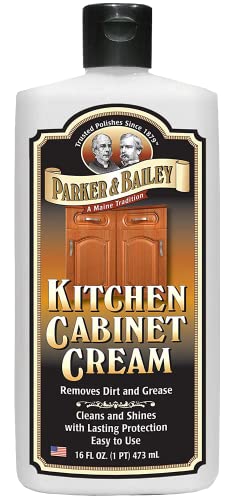
Parker & Bailey’s cleaner is designed to degrease and restore without harsh solvents. It supports cabinets and wooden surfaces with a gentle cleaning action that helps preserve existing finishes. Best for routine cabinet maintenance and for preparing surfaces before glazing. Caution: avoid excessive moisture on already lifted or peeling finishes.
Parker & Bailey Kitchen Cabinet Cream

This multi-surface cleaner and wood restorer lifts dirt, nourishes wood, and restores a natural finish on cabinets and tables. It’s suitable for painted, laminate, white, and natural wood surfaces. Best for restoring the look of older cabinets without heavy refinishing. Limitation: results depend on the existing finish condition and may require repeated applications for deep-set grime.
Buying Guide: Glazing Cabinets in Plain English
- Surface type matters: Wood, laminate, melamine, and metal respond differently to glazes. For wood, prefer glazes designed for painted wood or chalk-based finishes.
- Finish style: Do you want an antique, aged look or a modern low-sheen glow? Select a glaze with the appropriate transparency and open time.
- Preparation: Clean and de-grease cabinets thoroughly. A dedicated cleaner helps prep surfaces before glazing, especially on heavily used kitchens.
- Open time: Glazes with longer open time allow for blending and detailing, which is ideal for hand-painted effects. Short open time requires quicker work and fewer passes.
- Topcoat compatibility: If you plan to seal, verify compatibility with the glaze you used and the surface material to avoid peeling or dulling.
- Color control: Some glazes are mixable or come in multiple tones. Practice on scrap pieces to dial in color depth and shading before working on cabinets.
- Maintenance: After finishing, consider a compatible cleaner and protectant to maintain the glaze finish over time.
Frequently Asked Questions
- What is a glaze in cabinet finishing? A glaze adds depth and subtle color variation over a base paint or stain, often creating an antique or dimensional look.
- Do I need a topcoat after glazing? Many glazes are designed to be sealed with a topcoat for durability, especially in kitchens with high traffic.
- Can I glaze over glossy surfaces? Glazes typically perform best on clean, non-glossy or fully cured surfaces; gloss may require scuffing or primer.
- How long does glaze take to dry? Drying times vary by product; most glazes require several hours before applying a topcoat, with overnight curing often recommended.
- Is a cleaner necessary before glazing? Yes. Preparing the surface with a cleaner removes grease and dirt that can prevent even glaze adhesion.
- Can I achieve a vintage look with a DIY glaze? Yes, combining glaze products and experimenting with wipe-backs can produce antique-style finishes suitable for cabinets.