Answering the question “What food-safe polyurethane spray should I choose?” with practical, shop-ready guidance. This guide focuses on finishes that protect wood surfaces where contact with food or food-prep happens, or finishes that are commonly used on kitchen and dining items. The top picks below suit different buyers: DIY hobbyists seeking quick-dry protection, homeowners refinishing furniture, and crafters sealing food-contact surfaces. The brief product table offers a quick reference for comparison.
| Product | Best For | Key Benefit |
|---|---|---|
| Krowne 30-202 Food Grade Silicone Spray | Appliances, racks, and food-contact surfaces | High viscosity lubrication with safe plastics compatibility |
| Minwax Fast Drying Polyurethane Spray (Semi-Gloss) | Wood furniture and cabinets | Durable oil-based protection with a semi-gloss finish |
| Zinsser Bulls Eye Shellac (Clear) | Odor-blocking and sealer for prep | All-natural, non-toxic shellac sealer |
| HOWARD WAX-IT All (Beeswax Furniture Polish) | Food-contact surfaces and wood prep | Beeswax-based wax with food-grade safety |
| Varathane Water-Based Polyurethane Spray (Crystal Clear) | Interior wood projects with easy cleanup | Water-based, low odor, quick-dry |
Krowne 30-202 Food Grade Silicone Spray

Best for: Refrigerator doors, drawer slides, and food racks. This high-viscosity spray is safe on plastic and delivers lubrication without chlorine. It provides lubrication and protection against corrosion in food-prep environments. The 9.25 oz can is convenient for targeted applications in kitchens and food service areas.
Why selected: It is explicitly marketed as food-grade silicone, offering a non-reactive barrier that helps parts move smoothly while remaining compatible with common kitchen plastics. Choose this if you need a silicone-based option for hinges, drawer slides, or surfaces that contact food after cleaning. Caution: Avoid spraying on surfaces that will have direct, prolonged food contact without rinsing, as silicone films can affect adhesion of some finishes.
Minwax Fast Drying Polyurethane Spray (Semi-Gloss)

Best for: Interior wood surfaces such as woodwork, furniture, doors, cabinets, and floors. This oil-based polyurethane spray provides lasting protection, highlighting the natural beauty of wood with a semi-gloss finish. It forms a protective barrier against scratches and spills when used on finished or unfinished wood.
Why selected: For projects where a durable, oil-based polyurethane finish is desired, this product offers strong protection and a classic sheen. It is a solid choice when refinishing kitchen furniture or cabinets that won’t have direct, prolonged food contact. Limitation: Oil-based finishes can take longer to cure and have stronger odors during application.
Zinsser Bulls Eye Shellac Traditional Finish & Sealer
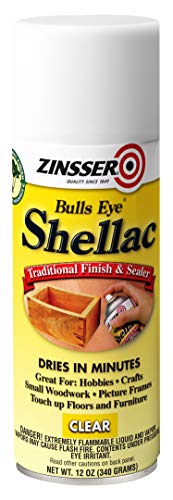
Best for: Odor blocking and as a prep sealer in kitchens and dining areas. This traditional shellac sealer provides an All-Natural, non-toxic finish that dries quickly and can block odors from porous materials.
Why selected: While not a polyurethane, shellac is commonly used as a sealer before finishing with a polyurethane on wood surfaces that may touch food. It can help achieve smoother finishes and block odors in prep steps. Limitation: Shellac may not provide the same moisture resistance as polyurethane on high-wobble surfaces or high-traffic furnishings.
HOWARD WAX-IT All (Beeswax Wood Polish)

Best for: Food-contact surfaces and wood countertops that benefit from a wax seal. This beeswax-based polish forms a protective layer and provides a natural sheen while remaining suitable for food-related items when used as directed.
Why selected: The product emphasizes food-grade safety and consumer-friendly application for kitchen items. It is a good choice for daily maintenance of cutting boards and wooden utensils, especially when a more natural finish is preferred. Limitation: Beeswax finishes may require periodic reapplication to maintain protection in high-use areas.
Varathane Water-Based Crystal-Clear Ultimate Polyurethane Spray
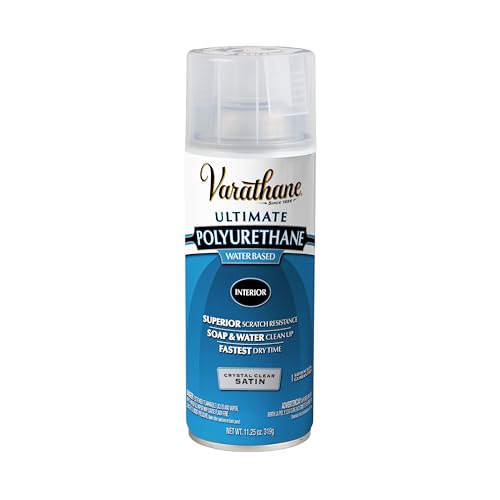
Best for: Interior wood projects that require a clean, low-odor finish with easy cleanup. This water-based polyurethane spray dries crystal-clear and is suitable for furniture, trim, and cabinetry where a lighter touch is preferred.
Why selected: Water-based formulas offer easier cleanup and typically lower odor than oil-based options, making them suitable for kitchens where ventilation is limited. Limitation: Water-based polyurethanes can raise wood grain on certain species and may require multiple thin coats for maximum protection.
Mod Podge Spray Acrylic Sealer (Gloss)
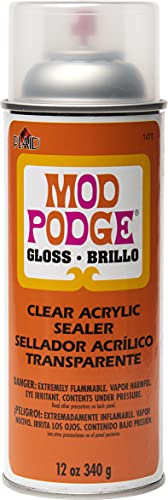
Best for: Craft projects and sealed surfaces that require a glossy, crystal-clear finish with quick drying time.
Why selected: While not a traditional polyurethane, Mod Podge Sealer provides a clear protective layer over craft projects and can be used in conjunction with a polyurethane layer on wood to protect artwork or decorative items intended for light food-contact surfaces. Limitation: It is primarily a craft sealer; for heavy-use food-contact surfaces, pairing with a dedicated polyurethane film is recommended.
Buying Guide
- Food-contact safety: Look for explicit food-grade labeling or usage guidance on the product page. For wood items touching food, consider a food-grade wax or shellac prep step before applying a polyurethane finish.
- Finish type: Oil-based polyurethanes offer durability and amber tones; water-based polyurethanes provide quick dry times and lower odor with a crystal-clear finish. Choose based on room ventilation and desired sheen.
- Application surface: For appliances and metal hardware, silicone and wax-based products can aid movement and protection, while polyurethane finishes are better for wood surfaces subject to scratches and moisture.
- Drying and cure times: Water-based options generally dry faster, allowing multiple thin coats in a day. Oil-based options cure longer but often yield tougher films.
- Maintenance: Wax-based finishes require periodic reapplication. Polyurethanes provide longer-term protection but may be more challenging to refresh if damaged.
FAQ
- What finish is best for a food-prep cutting board?
– A food-grade finish is preferred. Consider applying a beeswax-based product like Howard Wax-It-All for initial conditioning or a food-safe sealant designed for wood, followed by a polyurethane topcoat if required for durability. - Can I use polyurethane spray on kitchen cabinets that contact food?
– Yes, but ensure the environment and product are appropriate for interior wood protection. Use a polyurethane designed for interior wood and follow recoat instructions. For items with frequent direct food contact, consider an additional food-safe topcoat or wax layer as a barrier. - Is water-based polyurethane safer than oil-based for indoor kitchens?
– Generally, yes. Water-based finishes tend to have lower odor, faster dry times, and clearer appearance, which can be advantageous in kitchens with limited ventilation. - Do I need to seal first before applying polyurethane on wood countertops?
– Sealing depends on the wood and project. A prep sealer like shellac can help seal odors and stains before finishing with polyurethane on porous woods. Follow product guidelines for best results. - How long should a food-contact finish cure before use?
– Cure times vary by product. Always follow the manufacturer’s curing instructions on the label and ensure the surface is fully dry before use, especially for items that will touch food.