Answering the buyer’s search: this guide highlights high-quality finishing oils that protect wood while highlighting grain. Each product suits different project needs, from cutting boards to fine furniture. Best for durable, penetrating finishes are often tung oil and linseed-based blends; best for food contact is mineral oil or food-grade blends. The top picks below cover indoor and outdoor use, ease of application, and odor or residue considerations. Ideal buyers: DIY woodworkers, kitchen professionals, hobbyists, and homeowners refinishing furniture or utensils.
Summary Table
| Product | Best For | Key Benefit | Notes |
|---|---|---|---|
| Tried & True Original Wood Finish | All woodwork, durable heirloom projects | Linseed oil and beeswax blend for warmth and protection | Indoor use, food-safe sealer, long touch-ups |
| Kate Naturals Mineral Oil | Cutting boards, butcher blocks, utensils | Food-grade, lightweight absorption, no greasy residue | Food-safe; colorless and tasteless |
| HOPE’S 100% Pure Tung Oil | Fine furniture and indoor projects | Deep penetration, flexible non-oily finish | Natural oil; long-lasting protection |
| NetLea Small Tung Oil | Small woodworking & crafts | Directly enhances grain, easy control on intricate pieces | 11.8 oz size; ideal for precise finishes |
| Howard Feed-N-Wax | Antiques, cabinets, trim | Wax blend with carnauba and orange oil for depth | Polishes with protective coating; use on finished or unfinished wood |
Below are five selected products most relevant to finishing oil for wood, with practical guidance to help you decide which finish is right for your project.
Tried & True Original Wood Finish

This product combines linseed oil and beeswax to deliver a warm, natural look with protective durability. It cures efficiently without toxic drying aids and contains no solvents, making it suitable for indoor use with minimal preparation. Best for: long-lasting wood pieces, heirloom projects, and crafts that require easy touch-ups without stripping or sanding. Caution: wood may darken slightly over time; test on a small area first.
Kate Naturals Mineral Oil for Wood

Food-grade mineral oil designed for cutting boards, butcher blocks, and wooden utensils. It absorbs cleanly with no greasy residue and is colorless and odorless. Best for: kitchen surfaces in need of periodic rejuvenation without affecting color or scent. Limitation: mineral oil does not polymerize into a protective film; reapplication is frequent for high-use items.
HOPE’S 100% Pure Tung Oil

Pure tung oil penetrates deeply for a durable, flexible finish that is resistant to moisture and everyday wear. It cures to a non-oily solid and is well-regarded for a hand-rubbed look on fine woods. Best for: interior furniture and projects where a natural, penetrating finish is desired. Caution: tung oil can darken light woods slightly; apply thin coats and test first.
NetLea Small Tung Oil
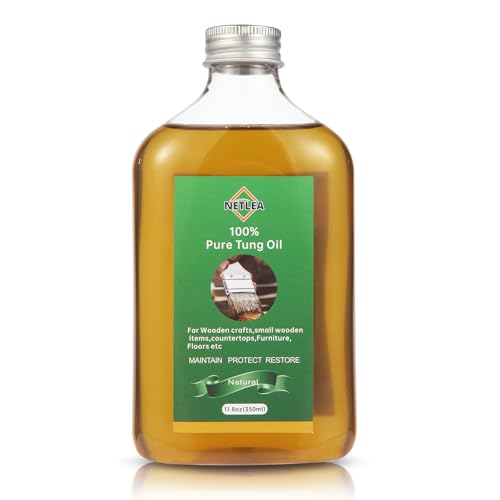
A 11.8 oz bottle aimed at small woodworking and craft projects. It highlights natural grain and a hand-rubbed luster, with controlled application for intricate pieces. Best for: jewelry boxes, models, and decorative wood items where precise, minimal-waste finishing is important. Limitation: small bottle size may require multiple coats for larger projects.
Howard Products Feed-N-Wax

Carnauba wax and beeswax with orange oil create a protective coating and enhanced depth of grain. Suitable for antiques, tables, cabinets, and trim. Best for: restoring luster and protection on finished or lightly aged wood. Caution: wax-based finishes can feel tacky in very humid conditions and may require buffing for a high shine.
Buying Guide: Key Considerations For Finishing Oils
What finish should I choose for indoor furniture?
For a natural, penetrating finish that ages gracefully, tung oil or linseed oil blends are strong options. Tung oils offer deeper grain enhancement and moisture resistance; linseed blends provide warmth and a soft glow. Consider a blend if you want both penetration and a light protective film.
Is it safe for food-contact surfaces?
Opt for food-grade mineral oil or oils specifically labeled for food safety, such as products designed for cutting boards and utensils. These finishes prevent residue and odors from transferring to food and are appropriate for kitchen items.
What about small projects or crafts?
Small-bottle tung oils are often ideal for jewelry boxes, carvings, and model scale pieces. They offer precise control and minimal waste. If you are finishing many small items, a 11–12 oz bottle can minimize refills.
How to apply and maintain finishes?
Apply with a clean cloth, paper towel, or brush in thin coats. Allow ample drying time between coats. For wax-containing products, buff lightly after curing. Regular maintenance may include re-application over time depending on wear and exposure.
What are common limitations?
Some oils darken light woods; test on a hidden area first. Wax-based finishes can feel sticky in humid environments and may require periodic buffing. Food-grade mineral oil does not harden into a durable film, so more frequent reapplication may be needed for high-use items.
How to compare products quickly?
Focus on penetration depth, curing time, and whether the finish creates a surface film or remains penetrating. For food use, verify Food Safety standards. For outdoors, consider water resistance and UV stability. For crafts, size and ease of application matter.
Usage checklist
- Identify project type: furniture, cutting boards, or decor.
- Determine if food safety is required.
- Choose between penetrating oil (tung/linseed) or film-forming wax blends.
- Check bottle size in relation to project scope.
- Test finish on a scrap piece to gauge color change and sheen.
Frequently Asked Questions
What is the difference between tung oil and linseed oil finishes? Tung oil penetrates deeply and cures to a flexible, durable coating; linseed oil blends provide warmth and can be easier to apply but may require periodic maintenance. Both can enhance grain but behave differently under moisture and wear.
Are these finishes safe for food-contact surfaces? Some products are labeled as food safe or food-grade mineral oil; others are not. Always verify labeling and usage instructions for items that will contact food.
How long does drying or curing take? Dry times vary by product and environment but typically range from a few hours to overnight between coats. Always follow the manufacturer’s guidance for curing times.
Can finishing oil be used outdoors? Some tung oils offer outdoor resistance, but most interior-focused finishes are not recommended for prolonged outdoor exposure. For outdoor projects, look for products explicitly designed for exterior use and water resistance.
Do I need to sand between coats? Some finishes benefit from light sanding between coats to achieve a smooth, even surface, especially if a film-forming finish is used. Always consult product instructions.