Finding the right sandpaper for wood depends on the project stage and the desired finish. This guide highlights five top picks that are well-suited for woodwork, from aggressive stock removal to fine, paint-ready surfaces. Each option is chosen for its reliability, versatility, and ability to produce a quality finish. Ideal buyers include hobbyists refinishing furniture, carpenters preparing trim, and DIY enthusiasts seeking durable, reusable sheets or sponges.
Summary of selected products:
| Product | Best For | Notes |
|---|---|---|
| Extra Fine Sand Paper 120 to 20000 High Grit (22 PCS) | Broad range finishing, wet/dry sanding | Assorted grits and finger cots included |
| 3M Sandpaper, 220 Grit | General purpose wood finishing | Aluminum oxide, great for smooth intermediate sanding |
| 45Pcs Wet Dry Sandpaper BAISDY | Fine to superfine sanding for furniture & automotive | Wide grit range, 9 x 3.6 inches |
| 12 Pack Sanding Sponge (60–400) | Curved surfaces, contour sanding | Washable, reusable, flexible |
| 3M Wetordry Sandpaper, 320 Grit | Between coats and fine finishing | Waterproof, sharp silicone carbide |
Extra Fine Sand Paper 120 to 20000 High Grit
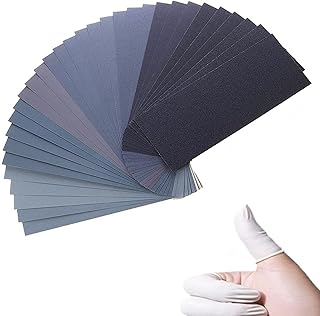
Extra Fine Sand Paper 120 to 20000 High Grit is a 22-piece assorted set designed for wet and dry use. It includes a broad grit range from very coarse to extremely fine, making it suitable for initial stock removal, smoothing, and final finish prep on wood, as well as automotive refinishing. Best for DIYers needing a single kit that covers multiple stages without swapping brands.
Who it’s best for: Woodworkers doing full furniture refinishing or hobbyists who want an all-in-one solution. Why selected: The wide grit spectrum and included finger cots help manage dust and control during wet sanding. Caution: Check compatibility with very soft woods, as ultra-fine grits may clog more quickly on resin-rich materials.
3M Sandpaper, 220 Grit

3M Sandpaper, 220 Grit uses aluminum oxide for general purpose sanding on wood, paint, and metal. It’s a solid mid-range option that balances fast material removal with a smoother finish than coarser grits. Best for intermediate smoothing after initial shaping.
Who it’s best for: Builders and DIYers needing reliable, versatile sheets. Why selected: Its mid-range grit is ideal between initial material removal and fine finishing. Caution: Not the best choice for extremely soft woods that clog easily; consider pairing with a finer grit later in the project.
BAISDY 45Pcs Wet Dry Sandpaper

BAISDY’s 45-piece set provides a wide grit range from 400 to 3000, including multiple sheets per grit. It’s designed for wet and dry use and fits a variety of woodworking and finishing tasks. Best for: Finishing work where you need fine grits in one affordable kit.
Why selected: The extensive grit progression supports smooth transitions from rough to very fine prep. Caution: Some grits may run small in sheet count for large projects; plan for sheet turnover or cut to fit.
12 Pack Sanding Sponge (60–400)

Pukamam’s sanding sponge set offers 12 pieces with grits from 60 to 400. Sponges are washable and reusable, making them suitable for wood furniture refinishing, auto body prep, and delicate surface work. Best for: Contoured surfaces and quick shape adjustments.
Why selected: The flexible sponges conform to curves and edges well, reducing gouges. Caution: Sponges can wear more quickly under heavy stock removal; monitor wear and replace when torn or degraded.
3M Wetordry Sandpaper, 320 Grit
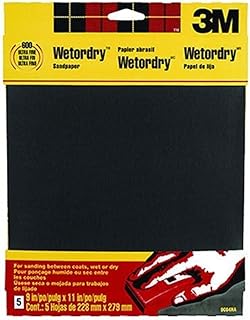
3M Wetordry Sandpaper at 320 Grit is a waterproof option designed for between-coats sanding and fine finishing. Silicon carbide abrasive cuts fast and smooth, providing a clear, even surface for varnish, lacquer, or paint between coats. Best for: Final smoothing between finishes.
Why selected: Waterproof construction helps prevent grain tear-out during wet sanding. Caution: For rough stock, you’ll still need coarser grits earlier in the process; this grit shines in the finishing stage.
Buying Guide
What grit range do you need? For initial stock removal on hard woods, choose 60–80 grit. For smoothing before finishing, go 120–220. For between coats and final finish prep, use 320–400, and for extremely fine prep or polishing, 600–3000+ is ideal.
Wet vs dry sanding: Wet sanding reduces dust and clogs, yields smoother finishes, and is ideal for clear coats. Dry sanding is faster for rough material removal but creates more dust—use a dust mask and good ventilation.
Sheet vs sponge: Sheets provide uniform rigidity and are good for flat surfaces; sponges conform to contours and edges and are better for curved furniture, trimming, and detailed work. Consider a mixed kit to cover all shapes.
Material and durability: Aluminum oxide is common and versatile; silicon carbide excels in fine, sharp cutting and waterproof sheets. For moisture-prone projects, waterproof papers prevent premature wear.
Care and maintenance: When wet sanding, rinse grit residues, dry sheets thoroughly, and store in a dry place to extend life. Replace worn or torn sheets to maintain consistency in finish quality.
FAQ
- Q: What grit should I start with on pine wood? A: Start with 80–100 grit for rough shaping, then move to 150–220 grit for smoothing.
- Q: Can I use wet sandpaper on painted surfaces? A: Yes, for smooth finishes between coats; test on a small area first.
- Q: How do I prevent clogging on soft woods? A: Use coarser grits first, then switch to finer grits; wipe away dust between steps.
- Q: Is a sanding sponge better than sheets for curved furniture? A: Yes, sponges conform to curves and edges, reducing gouges.
- Q: Do I need all grits in a kit? A: For versatile projects, yes; focus on a logical progression from rough to fine for efficiency.