When choosing drywall tape, the choice between fiberglass and paper affects joint strength, application ease, and long-term durability. This guide compares the top fiberglass and paper options to help DIYers and professionals select the right tape for each job. The top picks cover a range of use cases—from high-strength, self-adhesive tapes for quick repairs to traditional, pre-cut options for corners and seams. The following table summarizes five standout products and who they’re best for.
| Product | Best For | Key Benefit |
|---|---|---|
| ADFORS FibaFuse Paperless Drywall Joint Tape | Pros and pros who want a paperless option | Highest strength and lighter weight per roll |
| Duck Brand Self-Adhesive Fiberglass Tape | Quick repairs and tricky spots | Self-adhesive, easy to reposition |
| LYLTECH 100% Fiberglass Joint Tape | Heavy-duty, high-density applications | Self-adhesive, strong alkali resistance |
| QILIMA Self-Adhesive Fiberglass Tape | Difficult seams and corners | Anti-crack, easy to paste, no pre-paint needed |
| LLPT Fiberglass Tape 2” x 100 Ft | Long-term repairs and large cracks | Industrial strength mesh, easy to cut |
ADFORS FibaFuse Paperless Drywall Tape

Product type: 2-1/16 in x 250 ft, white. This paperless tape is designed to reinforce joints while reducing the risk of blistering and bubbles. It claims 76% greater strength than standard paper tape when the second coat is applied, making it a strong choice for long-lasting seams. Best for professional jobs or serious DIY projects where joint durability is a priority.
Best for: Professionals and ambitious DIYers who want maximum joint reinforcement with less chance of blistering. The lighter roll size and enhanced strength support faster large-area repairs.
Caution: While exceptionally strong, the initial handling can be different from typical paper tape, so a short practice run is advised for first-timers.
Duck Brand Fiberglass Self-Adhesive Tape

Product type: 1.88 inches by 180 feet. This tape is 100% fiberglass mesh with no pre-application of joint compound required. It’s self-adhesive and repositionable, which is helpful for difficult jobs and aligning corners before finishing.
Best for: Quick repairs and inside/outside corners where repositioning and speed matter. The adhesive feature reduces pre-application steps, ideal for temporary work or interim fixes.
Limitation: Self-adhesive fiberglass can be less forgiving in heavily textured or dusty surfaces, so surface prep remains important.
LYLTECH 100% Fiberglass Joint Tape

Product type: 1.88 inches by 180 feet. This tape uses 100% fiberglass mesh with high-density weaving for improved tensile strength and alkali resistance. It is self-adhesive and designed for easy application, reducing the need for initial joint compound on difficult jobs.
Best for: Areas with potential exposure to moisture or where a high-strength seam is needed. The product’s high density and alkali resistance make it suitable for challenging installations.
Limitation: Some users may prefer paper for very smooth finishes; fiberglass can require fiberglass-friendly finishing techniques to achieve a perfect surface.
QILIMA Self-Adhesive Fiberglass Tape
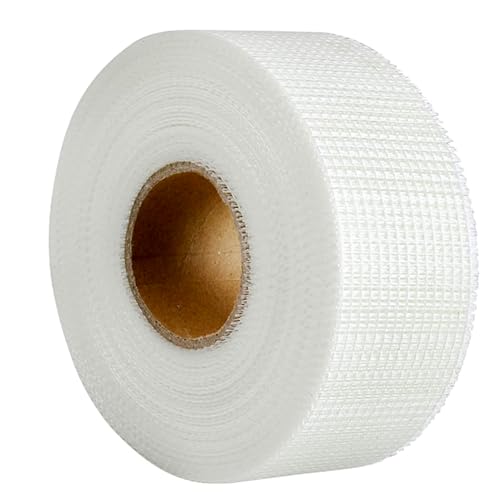
Product type: 2 inches by 148 feet. Features include anti-crack properties and strong adhesion, designed to be easy to paste on or off for difficult work. It’s positioned as a quick repair solution for drywall holes and seams without pre-application.
Best for: Homeowners tackling repairs in corners and seams where quick, strong adhesion is beneficial. It’s a good pick for non-professional users seeking reliable self-adhesive performance.
Limitation: Adhesive performance may vary with surface texture; ensure proper cleaning and surface prep for best results.
LLPT Fiberglass Tape 2” x 100 Ft

Product type: 2” by 100 ft. An industrial-strength fiberglass mesh tape designed to reinforce seams and cracks. It features easy-cut handling and strong bonding, suitable for both interior and exterior repairs, with resistance to tearing and shrinking under putty or spackle.
Best for: Projects requiring robust, long-lasting repairs and durable seams, including renovations that will be finished with joint compound and paint. This tape is well-suited for serious DIYers and contractors.
Limitation: Industrial-grade tapes can be stiffer to work with on small or irregular surfaces; precise placement and scoring may help during installation.
Buying Guide: How to Choose Between Fiberglass and Paper Tape
What matters most for your project? Joint strength, ease of use, and long-term durability vary between fiberglass and paper tapes. Here are practical considerations to help decide.
- Strength and durability: Fiberglass tapes generally offer higher tear resistance and better resistance to cracking over time, making them ideal for high-stress joints and longer-lasting repairs.
- Adhesive vs non-adhesive: Self-adhesive fiberglass tapes speed up installations, especially for difficult spots. Non-adhesive paper tapes require a layer of joint compound but can deliver very smooth finishes when applied correctly.
- Finish and texture: Paper tapes often yield a flatter, crisper finish with paintable seams when installed properly. Fiberglass tapes can be more challenging to finish smoothly for beginners.
- Corner work: Tapes with pre-creased or center-creased designs simplify inside and outside corners, reducing misalignment and wrinkles during setup.
- Environmental exposure: If moisture or humidity is a factor, look for tapes with higher alkali resistance and mold/mildew considerations in the product features.
- Repositioning needs: Self-adhesive tapes allow rechecking alignment, which can be helpful on complex joints or when working alone.
- Project scale: For large walls and ceilings, lighter-weight rolls and higher strength can save time and reduce fatigue during application.
- Surface preparation: Regardless of tape type, proper dust, grease, and texture removal improves adhesion and finish quality.
Frequently Asked Questions
- What is the main advantage of fiberglass drywall tape over paper? Fiberglass tapes often provide higher tear resistance and greater long-term joint strength, especially in demanding installations.
- Do I need to pre-coat fiberglass tape with joint compound? Many fiberglass tapes are self-adhesive or designed to work with minimal prep, but follow product instructions for best results.
- Is paper tape better for a smooth finish? Paper tape is traditional for achieving a very smooth finish when installed correctly and with proper joint compound layering.
- Can I use fiberglass tape for corners? Yes, many fiberglass tapes are designed with center-crease or pre-creased designs to help corners stay aligned during finishing.
- Which tape is easiest for beginners? Self-adhesive fiberglass tapes are often easier for beginners due to immediate adhesion and easier alignment, but paper tapes can yield excellent results with careful technique.
- How should I prep surfaces for drywall tape? Clean dust and debris, ensure a flat surface, and lightly sand glossy patches. A consistent surface improves adhesion and finish quality.