For reducing noise transfer in homes, studios, and offices, drywall sound isolation clips offer a practical decoupling solution. They’re best for builders and DIYers aiming to improve STC and IIC ratings by physically separating drywall from framing. The top picks shown here are suited for new builds, retrofits, and existing structures where minimizing airborne and impact noise is a priority. The following table highlights the five products chosen for their compatibility with standard hat channels and broad application.
| Product | Best For | Key Benefit |
|---|---|---|
| Mindoub 100-Pack Soundproofing Clips | Home, Studio, Office | Effective decoupling with durable rubber padding |
| Premium Sound Isolation Clips (100 Pack) | New builds and retrofits | Up to 20 STC/IIC points, low creep |
| GWNF 100-Pack Sound Isolation Clips | Professional installs | 1.4″ wide base for load distribution |
| Premium Sound Isolation Clips (200 Pack) | Large areas | Same decoupling benefits, more coverage |
| QUSTICS Create Quiet QuietClip (50 pcs) | Budget projects | Up to 17 dB STC reduction with mounting guidance |
Mindoub 100-Pack Soundproofing Clips
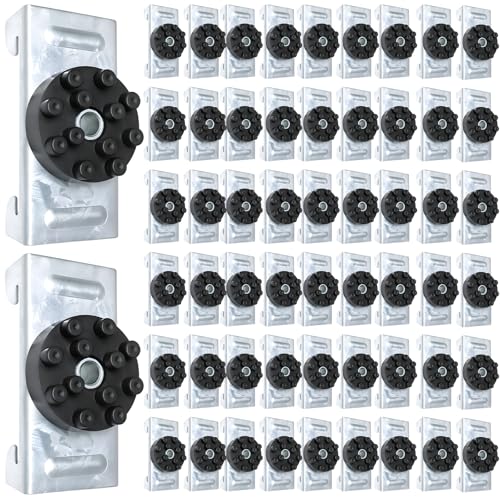
Designed to decouple drywall from studs or joists, these clips create a physical break in the sound path. The textured rubber pad dampens vibrations and dissipates structure-borne noise more effectively than flat mounts. They are compatible with standard 7/8” x 1.25” hat channels and suit wood, steel, or masonry assemblies. Best for: home studios, apartments, and offices seeking noticeable noise reduction without complex framing work. Caution: long-term performance depends on proper installation spacing and channel compatibility.
Premium Sound Isolation Clips – 100 Pack

These clips reportedly add up to 20 STC and IIC points by mechanically decoupling drywall from framing. They use a heavy-gauge steel body with a vulcanized rubber pad designed to resist creep, making them suitable for both new construction and retrofits. Best for: projects needing strong, durable decoupling with predictable performance. Choose this if you’re loading walls or ceilings with standard drywall layers and want long-term stability. Limitation: data relies on per-spec installation guidance; variations can affect outcomes.
GWNF 100-Pack Sound Isolation Clips

Featuring a true 1.4″ wide base, these clips distribute load more evenly across framing and are designed for standard 7/8″ hat channels. The red EPDM rubber core helps separate drywall from framing, reducing vibration transfer. Best for: professional ceilings and walls where a robust, wider decoupling footprint is beneficial. Caution: third-party static load tests indicate reliable performance up to a certain load; ensure your design stays within tested ranges.
Mindoub 50-Pack Soundproofing Clips
A smaller batch of Mindoub clips, designed for walls and ceilings with 7/8” hat channels. They share the same decoupling principle and rugged rubber pad for damping. Best for: smaller projects, light retrofit work, or budgets where fewer clips are needed. Caution: coverage is reduced compared with larger packs; plan spacing accordingly to achieve similar sound reduction.
Premium Sound Isolation Clips – Pack of 200
A higher-quantity variant of the 100-pack with the same decoupling advantages. It provides broader coverage for larger rooms or multi-room installations. Best for: commercial spaces and larger residential projects needing efficient, repeatable decoupling. Caution: ensure you have adequate hat channel support and drywall weight calculations to maximize performance.
QUSTICS Create Quiet QuietClip (50 pcs)

QuietClip provides up to 17 dB in STC improvement and is designed for interior wood, steel, and concrete framing. It supports up to two layers of 5/8” drywall when spaced no more than 24” x 48” on center. Best for: budget-friendly projects where simple, predictable interference with noise is desired. Caution: performance depends on overall assembly design and additional damping methods may be needed for high-demand spaces.
Buying Guide: How To Choose Drywall Sound Isolation Clips
What should you consider when selecting clips? First, assess the wall or ceiling assembly. The base footprint, such as 1.4″ wide vs standard bases, affects load distribution and decoupling effectiveness. Next, review compatibility with your hat channel and drywall thickness; some clips require specific channel dimensions. Material quality matters: look for heavy-gauge steel bodies with durable rubber pads to minimize creep and maintain long-term decoupling. Consider installation practicality: retrofit versus new construction and the expected area to cover. Finally, compare stated STC/IIC improvements and ensure your overall design aligns with the product’s tested results.
What’s the difference between 100-pack and 200-pack clips?
A higher quantity provides broader coverage, which is beneficial for large spaces or multi-room projects. The decoupling performance is similar per clip; the main difference is installation efficiency and cost per square foot of treated area.
How do I plan spacing for optimal sound isolation?
Follow manufacturer guidelines: usually, clips are spaced to distribute load evenly and maintain decoupling. For walls with two layers of drywall or heavier finishes, reduce center-to-center spacing as recommended to preserve isolation performance and prevent vibrations from concentrating in one area.
Are there any downsides to using these clips?
Improper installation can reduce effectiveness. Clips also require compatible hat channels and adequate framing. For retrofit projects, ensure existing studs and joists can support the chosen clip and channel arrangement without compromising structural integrity.
Can I use these in a home theater or recording studio?
Yes. These clips are designed to reduce both airborne and impact noise, which is particularly valuable in quiet rooms like studios and home theaters. Combine with damping materials and acoustic sealants for best results.
What installation tips maximize performance?
Use the recommended screw types and lengths for wood or steel framing, snug the fasteners against the washer, and ensure the clip rests firmly on the stud or joist. Maintain the specified spacing, align with hat channels, and verify that drywall sections are properly decoupled to avoid rigid contact paths for sound.
FAQ
- Do these clips improve both airborne and impact noise? They are designed to decouple drywall from framing, which reduces both types of noise when used with appropriate channels and finishes.
- Are clips compatible with metal studs? Yes, they’re designed for wood or metal framing and standard hat channels, depending on the model.
- Does more clips always mean better sound isolation? More clips help, but proper spacing and proper assembly are essential for true gains in STC/IIC ratings.
- Can I retrofit these without removing walls? Many clips are retrofit-friendly, but follow each product’s installation guidance for best results.
- Is EPDM rubber better than other materials? Rubber cores (like EPDM) provide good damping and long-term decoupling without excessive creep, improving stability over time.