When searching for a downdraft sanding table, the best choice depends on dust control, size, and compatibility with your workshop. This guide highlights five top options and explains who they’re best for, with clear pros and limitations. The featured products cover compact to extended models, suitable for hobbyists and small to medium shops. Whether you’re sanding edge banding, trim, or panels, these tables help keep dust down and air cleaner while you work.
| Product | Best For | Notes |
|---|---|---|
| Rockler Dust Right Downdraft Table | Small to mid-size projects, dust-conscious buyers | Compact 16.5″ x 20″ surface, adjustable sides |
| Shop Fox W1734A Downdraft Table | Budget-friendly, hobbyists | 15″ x 25″ surface, simple setup |
| Shop Fox W1733A Downdraft Table | Longer workpieces, stationary shops | 20″ x 40″ surface, bench-top style |
| Grizzly G0631-28×79 Downdraft Table | Large projects, serious shops | Long, wide surface, higher power |
| Peachtree Downdraft Panel Set | Upgrading existing tables | Panels to extend current setup |
Rockler Dust Right Downdraft Table

The Rockler Dust Right Downdraft Table provides downward airflow to pull dust away from the workpiece and into the dust collection system. Its sides and back can be raised to contain dust or lowered to accommodate larger pieces. Best for detailed sanding tasks in compact spaces, where portable yet effective dust control matters. A notable limitation is the absence of guidance on compatible dust collectors, so verify your system fits the port specifications before purchase.
Shop Fox W1734A Downdraft Table
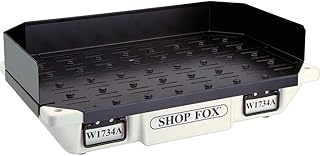
Best for hobbyists on a budget seeking a straightforward downdraft solution. This 15″ x 25″ table includes a 2-1/2″ dust port and a lightweight frame, making it easier to install in smaller shops. It’s a solid pick for lighter sanding tasks and short production runs. A potential drawback is that it may require a dedicated dust collection system with appropriate ducting for optimal performance.
Shop Fox W1733A Downdraft Table

Choose this if you need a longer bench-top design to support wider workpieces, with a 4-inch dust port for improved extraction. Its 20″ x 40″ surface suits longer panels or trim projects. Best for workshops with room to spare and tasks that require extended material support. A limitation is the lack of built-in storage, so you may want to add bins or racks nearby for accessories.
Grizzly Industrial G0631-28×79 Downdraft Table

Best for large, heavy-duty sanding tasks and pro shops needing extended surface area. The G0631 model offers a long work surface (28″ x 79″) and dual 1 HP motors, delivering substantial dust management for continuous workloads. Best for commercial setups; however, the larger footprint requires more floor space and supports heavier electrical demand. Consider space and power availability before selecting this option.
Peachtree Downdraft Panel Set

Best for upgrading an existing sanding table with a modular approach. The set includes two panels with non-slip rubber grommets to prevent stock marking and orange stops to minimize stock movement. This option is ideal for crafters who already have a table and want to enhance dust control. A caveat is that it does not come with a full enclosure or an integrated dust port beyond the panels.
Buying Guide
What size downdraft table do I need?
Measure your typical workpiece length and width. Choose a surface that can support the largest item you sand without overhangs that trap dust. For cramped spaces, smaller tables with raised side panels help control dust better.
How important is dust collection power?
A higher-volume dust port and compatible dust extractor improve performance. Check port size (commonly 2-1/2″ or larger) and ensure your system can draw efficiently at the table’s airflow level.
What materials and features matter?
Look for adjustable sides, non-slip surfaces, and options to raise or remove panels for oversized pieces. Some tables offer bench-top designs with skid-resistant feet for stability during sanding.
Is a dedicated motor needed?
Single- or dual-motor setups influence suction and dust handling. If you sand frequently or work with finer dust, higher horsepower and better ducting often yield cleaner air and longer tool life.
Should I upgrade an existing table or buy new?
Modular panel sets can upgrade an existing workspace without buying a full table. If you frequently adjust setups or handle variable piece sizes, a full downdraft table might provide more consistent dust control.
Top practical selection tips
- Choose a model with adjustable panels to tailor containment for your projects.
- Verify compatibility with your dust collection system and ductwork.
- Prefer larger surfaces for longer stock support when your tasks require it.
- Consider space and power availability in your shop before selecting a long or high-powered table.
Frequently Asked Questions
- What is a downdraft sanding table? A table designed with downward airflow that pulls dust away from the workpiece into a dust collection system, improving air quality and keeping the workspace cleaner.
- Do I need a powerful dust collection system? For best results, pair the table with a compatible dust extractor or shop vacuum to maximize dust capture and minimize airborne particles.
- Can I use downdraft panels with any table? Some panels are modular and designed to fit existing tables, while others come as standalone units. Check compatibility before purchasing.
- What size should I choose for long boards? A larger surface, like 20″ x 40″ or longer, provides better support and reduces overhang, which helps control dust more effectively.
- Are these tables easy to install? Most units are designed for straightforward assembly with standard bench or workshop spaces, but ensure you have the right ducting and space.
- What maintenance is required? Regularly empty dust bins, check seals on panels, and inspect dust ports and ductwork for blockages to maintain optimal performance.