Direct answer: decorative insulation panels for walls boost both sound control and interior design. This guide highlights five top options ideal for home studios, offices, living spaces, and creative walls. Each pick balances aesthetics with acoustic performance, so you can choose based on installation style, material, and room goals. The table below compares key features to help you decide quickly.
| Product | Material | Best For | Installation | Notes |
|---|---|---|---|---|
| NEPIS 20 Pack Acoustic Panels | High-density foam | Soundproofing rooms with easy peel-and-stick | Self-adhesive | Strong NRC, quick setup |
| Soon Global Acoustical Wall Panels | Polyester fiber | Decorative feature walls | Wall-mountable | Wood-texture look, diffuse sound |
| Koncey Self-Adhesive Wallpaper Panels | IXPE insulation with aluminum backing | Cold/hot insulation plus wall decor | Peel-and-stick | Long-lasting adhesion |
| Tinlade 3D Wall Panels | PE foam with brick texture | Textured decor with light insulation | Peel-and-stick | 3D brick appearance |
| Focusound 52 Pack Acoustic Foam Panels | Acoustic foam with adhesive | Home office or studio with easy install | Includes 300pcs double-sided adhesive | Effective sound absorption |
NEPIS 20 Pack Acoustic Panels

Best for: small to mid-sized rooms needing strong noise reduction with simple installation. High-density foam and an NRC surpassing 0.95 make these panels particularly effective at absorbing both high and low-frequency noises, from traffic to chatter.
Why selected: They offer a compact 12″ x 12″ size that’s easy to arrange on walls, doors, or ceilings. The self-adhesive backing eliminates extra tapes or sprays, facilitating quick customization and time savings during setup.
Limitation: Overuse or improper spacing can affect diffusion and uniform coverage. For larger rooms, you may need more panels to achieve even acoustical balance across surfaces.
Soon Global Acoustical Wall Panels

Best for: decorative walls with enhanced acoustic performance in larger spaces or feature wall installations. The groove-patterned panels manage sound effectively over broader surface areas.
Why selected: High-density polyester fiber and continuous grooves deliver superior sound absorption while presenting a seamless visual of wood-like texture across panels, creating a modern, cohesive look.
Limitation: Polyester fiber panels can be less forgiving if you’re seeking a true brick or fabric texture; they emphasize smooth lines and grooves rather than a chunky surface.
Koncey Self-Adhesive Wallpaper Panels
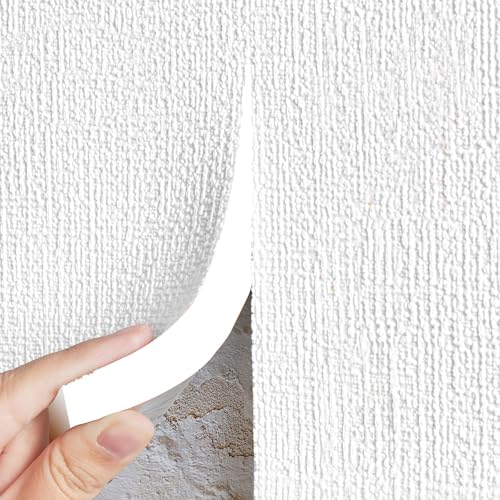
Best for: adding insulation and a decorative surface to cold walls or drafty rooms without complex installation. The IXPE insulation layer locks in warmth efficiently.
Why selected: The combination of insulation and removable aluminum-backed surface makes these panels suitable for long-term warmth and easy cleaning, with a peel-and-stick format for quick updates.
Limitation: Self-adhesive backing may require clean, flat surfaces for strongest grip; uneven surfaces could reduce adhesion longevity.
Tinlade 3D Wall Panels

Best for: rooms where you want a textured, decorative wall while gaining light insulating benefits. The 3D brick texture adds depth to any wall without heavy installation.
Why selected: 3D effect panels provide a striking visual impact with the realistic brick look, and their peel-and-stick design simplifies application on multiple surfaces.
Limitation: The 0.2 inch thickness may provide modest sound absorption compared to denser foam options; coverage along corners and edges may require careful layout planning.
Focusound 52 Pack Acoustic Panels

Best for: home offices and recording spaces where quick installation and reliable sound control are priorities. The included double-sided adhesive aids stable mounting on various surfaces.
Why selected: The triangular groove structure supports effective noise absorption, reducing echoes and flutter near walls and ceilings, helping achieve cleaner recordings or quieter rooms.
Limitation: Adhesive-backed panels may lose grip over time in high-humidity environments; ensure appropriate surface preparation for longevity.
Buying Guide
What to consider when choosing decorative insulation panels for walls:
- Acoustic goal: Do you want heavy noise reduction, echo control, or just decorative texture with light absorption?
- Material choice: Foam panels provide strong absorption; polyester fibers offer durability and a different aesthetic; IXPE-based wallpapers deliver insulation with wall decor.
- Installation method: Peel-and-stick is fastest, while wall-mount or screw-in options may offer longer-lasting results on uneven surfaces.
- Room type and humidity: Some materials perform better in dry rooms; consider moisture resistance for bathrooms or basements.
- Aesthetics: Choose textures that suit your interior style—modern grooves, brick textures, or smooth surfaces with color.
- Coverage planning: Map out panel layout to ensure even acoustics; larger rooms may require more panels for balanced absorption.
Frequently Asked Questions
- What is the main purpose of decorative insulation panels? – They improve acoustics and exterior appearance by absorbing sound and adding texture to walls.
- Are self-adhesive panels reliable long-term? – They can be, but on smooth surfaces and in dry areas; consider alternative mounting for high-humidity spaces.
- Can panels be repurposed across rooms? – Yes, many peel-and-stick options are easily removable and reusable on different walls if the backing remains intact.
- Do panels significantly insulate against temperature? – Some products add a degree of insulation, especially IXPE-backed panels, but primary benefit is acoustic control with supplemental warmth.
- Which panel type is best for studios? – High-density foam or dense polyester fiber panels tend to offer stronger sound absorption and diffusion for studio environments.
- How many panels are needed for a typical room? – It depends on room size, the surface area to cover, and the desired acoustical effect; start with a smaller grid and expand as needed.