If you’re seeking a rich, antique-looking finish or a protective topcoat for dark wood tones, dark waxes offer depth and warmth without heavy polyurethane. This guide highlights five top options for American buyers, explaining who each product is best for and why. It’s ideal for DIYers, restorers, and hobbyists who want a client-friendly, surface-safe finish that enhances grain and color while protecting wood. Below is a quick summary table of the selected products to help you compare at a glance.
| Product | Best For | Key Benefit |
|---|---|---|
| Minwax Paste Finishing Wax, Dark | Furniture, antiques, woodwork | Hand-rubbed luster without heavy coatings |
| Furniture Clinic Premium Dark Oak Beeswax Polish | All wood types, restorations | Natural beeswax formula, restores depth |
| AMY HOWARD AT HOME Dark Antique Wax | Vintage and rustic looks | Authentic aging without sanding |
| Briwax Darkbrown Furniture Wax | Professional restoration projects | Multi-use finish, protects against fingerprints |
| BLUEBIRD Furniture Paint Wax | Chalk finish furniture | Non-toxic, odor-free, durable chalk look |
Minwax Paste Finishing Wax, Dark

Best for furniture and woodwork that require a warm, hand-rubbed look without a hard polyurethane coat. The paste wax protects and adds a polished luster to finished wood surfaces. It’s particularly suitable for antiques and cabinets where a smooth, satin finish is preferred. A potential limitation is that it does not provide heavy protection against moisture or scratches the way some polymer finishes do.
Who this is for: DIY enthusiasts restoring classic pieces, hobbyists refinishing cabinets, and users seeking a traditional wax sheen without synthetic hard coats.
Why selected: This wax is a long-standing industry option known for easy application and a natural-looking glow that enhances grain without altering color dramatically.
Note: Avoid applying on surfaces that require strong water resistance or heavy-duty abrasion protection.
Jolie Finishing Wax – Protective Topcoat

Best for interior furniture, cabinets, and home decor seeking an odor-free, non-hazardous, and water-resistant finish. The brown wax adds warmth, depth, and age to painted or natural wood finishes, with a soft, blendable texture that allows layered patinas. A limitation is that precision control may require a base layer of clear wax for more complex looks.
Who this is for: Decorators aiming for antique or rustic aesthetics, and painters who want a user-friendly, low-odor wax for indoor pieces.
Why selected: It delivers a customizable antique effect with easy application and safer indoor use compared with harsher alternatives.
Furniture Clinic Premium Dark Oak Beeswax Polish

Best for all wood types, including modern and antique interiors, and for restoring color depth. This natural beeswax polish revives natural grains and provides a protective topcoat. It’s especially useful on oak, teak, and walnut veneers. A possible limitation is that beeswax finishes may require periodic reapplication to maintain luster and protection in high-use areas.
Who this is for: Hardwood restorers, vintage piece owners, and craftsmen who prefer a natural, breathable wax finish with easy maintenance.
Why selected: The natural beeswax formulation has a proven track record among professionals and restorers for restoring depth while preserving wood values.
HOWARD Chalk-Tique Dark Paste Wax

Best for chalk-style painted surfaces seeking an antique enhancement and UV protection. This wax strengthens the finish color, helping preserve the chalk look when exposed to sunlight. A caveat is that chalk-based finishes can require more frequent touch-ups in high-traffic areas.
Who this is for: Crafters working with chalk paints and decorative pieces who want a darker, vintage look with a protective layer.
KILZ Protective Sealing Wax, Dark
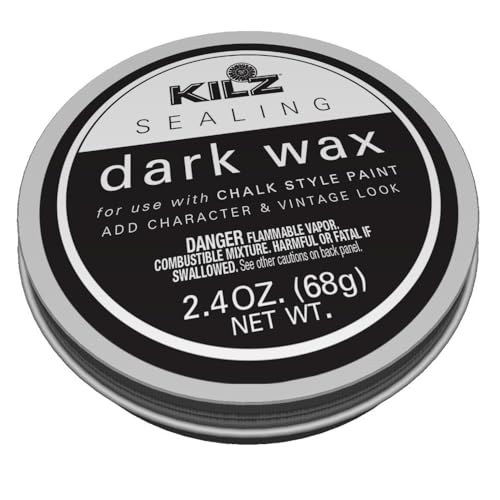
Best for sealing and protecting painted surfaces while adding a velvety finish. Apply a thin layer with a clean cloth or brush and buff to achieve a subtle sheen. The limitation is that it provides surface protection rather than deep penetration; consider reapplication if the piece experiences heavy use.
AMY HOWARD AT HOME Dark Antique Wax

Best for authentic aging without sanding. The wax creates a timeless, aged appearance on antiques and newer pieces alike and works across wood, chalk paints, milk paint, and even metal. A limitation is that color depth may vary with underlying finishes and layering.
Buying Guide: Dark Wax For Wood—Key Considerations
- Finish type: Choose between paste wax (soft sheen) and beeswax-based polishes (natural look) to match the desired aesthetic and use case.
- Surface compatibility: Some waxes suit chalk paints or antique furniture better; others work on oak, teak, and modern wood veneers.
- Protection level: If you need moisture resistance or heavy wear protection, consider a product that combines wax with a stronger sealant or plan for reapplication intervals.
- Application ease: Look for user-friendly formulas with low odor and simple buffing steps if you’re new to wax finishes.
- Color depth and aging: Dark wax adds warmth and depth; multiple coats or layering can intensify aging effects but may require more maintenance.
- Surface preparation: Clean and dust the surface before applying to improve adhesion and uniform finish.
- Maintenance: Some waxes require periodic re-waxing; others are more durable under normal household conditions.
Frequently Asked Questions
- What is the difference between dark wax and clear wax?
– Dark wax adds color depth and a vintage look, while clear wax preserves original color with a subtle sheen. - Can I use dark wax on all wood types?
– Most dark waxes are versatile, but test on a hidden area first, especially on softwoods or stained finishes. - How often should I re-wax a piece?
– It depends on use; high-traffic surfaces may need more frequent reapplication than decorative items. - Is wax suitable for indoor furniture?
– Yes; many waxes are designed for indoor use and offer odor-controlled formulas for safer environments. - Should I seal wax with polyurethane?
– In most cases, wax is a finishing layer by itself; pairing with polyurethane can alter the final appearance and texture. Follow product guidelines.