Answering the common search: you need a durable concrete wall sealer paint that blocks water, resists moisture, and stays flexible on concrete surfaces. This guide highlights top options for basement and foundation walls, suitable for both indoor and outdoor use. Ideal buyers include DIY homeowners sealing basements, contractors working on foundations, and property managers maintaining crawlspaces. Below, find five select products, each explained with who it’s best for, why it’s included, and practical caveats. A quick buying table is provided for side-by-side comparison.
| Product | Brand | Use Case |
|---|---|---|
| KILZ Basement and Masonry Waterproofing Paint | KILZ | Indoor/Outdoor concrete, masonry walls |
| KILZ 1-Part Epoxy Concrete & Garage Floor Paint | KILZ | Horizontal concrete surfaces like basements and garages |
| AMES Block & Wall Liquid Rubber Waterproofer | AMES | Concrete, foundations, basements, water resistance |
| Rain Guard Paint Sealer | Rain Guard | Painted concrete and other surfaces |
| Liquid Rubber Basement and Foundation Repair Sealant | Liquid Rubber | Basement leaks, foundation sealing, crack filling |
KILZ Basement and Masonry Waterproofing Paint

Best for: Basements and below-grade walls requiring a durable water barrier without heavy coatings. This product leverages nanotechnology-enabled waterproofing to form a strong barrier against water pressure, suitable for concrete, brick, and masonry surfaces both indoors and outdoors.
Why selected: It combines interior/exterior versatility with a protected finish that resists moisture and alkali buildup. The design supports long-term decorative durability in tough basement and outdoor environments. Use caution: not intended for floors or walls with active water leaks without additional crack preparation.
KILZ 1-Part Epoxy Concrete & Garage Floor Paint

Best for: Concrete floors in basements, garages, or porches where a durable, wear-resistant finish is desired. This epoxy acrylic formula resists hot tire pickup, scuffing, and fading, delivering a satin appearance on horizontal concrete surfaces.
Why selected: It’s a practical option when you want a tough surface that stands up to vehicle traffic or heavy use. Choose this if you need floor-ready longevity. Caution: not suitable for vertical surfaces or areas with active hydrostatic pressure or forklift traffic.
AMES Block & Wall Liquid Rubber Waterproofer
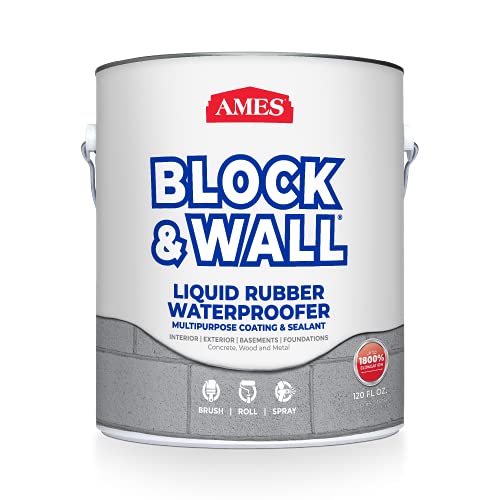
Best for: Basements and foundations needing flexible, elastic waterproofing that moves with concrete. It provides a 900% elongation membrane, resisting cracking and peeling on both vertical and horizontal surfaces.
Why selected: Its elastomeric membrane expands and contracts with temperature and moisture, making it a strong choice for areas prone to seasonal movement. Better for: projects needing a continuous seal against moisture on multiple substrate types including wood and metal. Caution: ensure surface is clean and dry before application and follow curing guidelines for best adhesion.
Rain Guard Paint Sealer
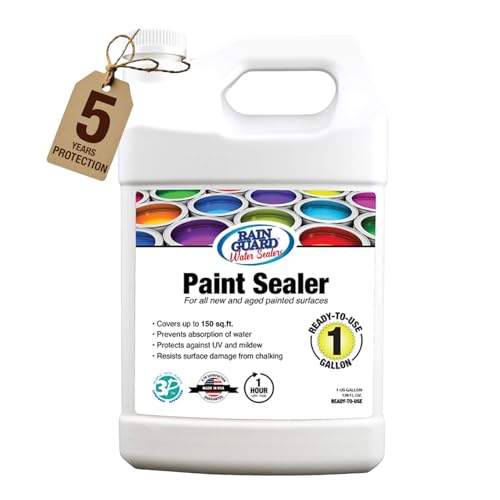
Best for: Painted concrete surfaces and other exterior/interior finishes needing a water-repellent seal with a clear semi-satin finish. It supports long-term surface maintenance in varying weather conditions.
Why selected: It provides a clear finish that preserves visible surfaces while adding water resistance. Choose this if you want to protect and maintain an existing paint job. Caution: not a replacement for structural waterproofing on active leaks; prep and ventilation are important for odor and curing.
Liquid Rubber Basement and Foundation Repair Sealant

Best for: Professional-grade sealing where basement leaks or foundation cracks require a flexible, durable membrane. This product is designed for complete basement waterproofing, including leak repair and foundation protection.
Why selected: It surpasses basic sealants with a robust waterproofing system that remains flexible across temperatures. It’s compatible with self-leveling concrete applications and provides reliable adhesion to multiple substrates. Caution: ideal for sealant tasks; for active leaks, proper surface preparation is essential.
Buying Guide: Concrete Wall Sealer Paints And Coatings
What should you consider when choosing a concrete wall sealer paint? The following practical questions cover key considerations to help you select the right product.
- What is the primary goal? Sealing against capillary moisture, blocking groundwater ingress, or protecting visible surfaces with a decorative finish?
- Indoor vs outdoor use: Do you need a product that tolerates UV exposure, temperature swings, and humidity indoors or outdoors?
- Surface compatibility: Is the surface concrete, brick, masonry, or painted? Some products require priming or crack repair before application.
- Through-wall performance: Are you addressing active leaks or just moisture vapor? Leaks may require rigid membranes or specialized sealants in addition to paint.
- Finish and appearance: Do you prefer clear, semi-gloss, or satin finishes? Will the coating alter the room’s look or lighting?
- Drying time and recoat window: How long between coats, and when is the area ready for use? This matters in basements with ongoing occupancy.
- VOC and odor: Are low-odor or low-VOC options important for indoor projects?
- Maintenance: Will future repairs require re-coating or spot treatments? Is there compatibility between products if you layer coatings?
FAQ
Is a concrete wall sealer the same as waterproofing membrane?
No. Sealers and paints protect surfaces and reduce moisture absorption, while membranes create a continuous barrier that blocks water under pressure.
Can I apply sealer over old paint?
Yes, if the surface is clean, dry, and properly prepared. Some products are formulated for painted surfaces; always check labeling for compatibility.
Do I need to prep cracks before sealing?
Yes. For many products, especially below-grade or active leaks, crack filling and surface prep improve adhesion and effectiveness.
Which product is best for basements?
For flexible, continuous moisture barriers, elastomeric liquid rubber sealants and waterproofing paints designed for masonry are common top choices.
How long does curing take?
Curing times vary by product and environment. Follow manufacturer guidelines for recoat windows and full cure before occupancy or backfilling.
Are these products safe for living spaces?
Many offer low-odor or low-VOC formulations. Ensure adequate ventilation during application and curing, especially in occupied spaces.