Answering the question most pool owners ask: which concrete pool coping paint delivers durable, water-resistant, long-lasting results? This guide highlights five top options that balance ease of use, UV resistance, and compatibility with plaster, fiberglass, steel, and aluminum pools. Best for DIYers who want a one-coat look, pool owners needing UV-stable color, and professionals seeking reliable epoxy or acrylic formulas.
Buyer note: the following selections include two-part epoxy coatings for tougher, long-term use on various pool surfaces, plus waterborne acrylics for simpler application and easier cleanup. The table below summarizes key details to help compare quickly.
| Product | Best For | Approx. Coverage | Notes |
|---|---|---|---|
| Bikini Blue (Olympic Zeron) | Concrete, plaster, fiberglass, steel, aluminum pools | 125–150 sq ft per gallon | Two-part epoxy; one-coat capable; mix and use promptly |
| White (Olympic Zeron) | Classic, clean aesthetic for any pool | 125–150 sq ft per gallon | Two-part epoxy; short-filled gallon for catalyst; timely use |
| Ocean Blue (Dyco, 5 Gallon) | Large surfaces needing long-lasting UV/chemical resistance | Varies by surface | Waterborne acrylic; resistant to fading, cracking, staining |
| Ocean Blue (Dyco, 1 Gallon) | Smaller projects or touch-ups | Varies by surface | Waterborne acrylic; seals hairline cracks |
| Aquamarine (INSL-X, 1 Gallon) | Fresh or saltwater pools; quick-dry option | Typically moderate coverage per gallon | Waterborne acrylic; quick-drying |
Bikini Blue – Olympic Zeron, 1 Gallon

Product: Olympic Pool Paint – Zeron – Bikini Blue – 1 Gallon
Brand: Kelley Technical Coatings
Format: Two-part epoxy pool paint with a base and catalyst. The gallon is short-filled to allow room for catalyst, with a finished volume of about 1 gallon. Thorough mixing and timely use are essential to prevent hardening. Coverage: approximately 125–150 sq ft per gallon.
Best for: Pool owners renovating plaster, fiberglass, steel, or aluminum pools who want a durable, one-coat epoxy finish with a blue hue. This option is good for high-traffic coping areas where chemical durability matters.
Why selected: A robust two-part epoxy that adheres to multiple pool substrates, offering a high-performance finish in a single coat when conditions are right.
Caution: Ensure complete mixing and use within the working window to avoid premature hardening. Not ideal if you need extended pot life or slower curing times.
White – Olympic Zeron, 1 Gallon

Product: Olympic Pool Paint – Zeron – White – 1 Gallon
Brand: Kelley Technical Coatings
Format: Two-part epoxy with similar base/catalyst setup as Bikini Blue. Finished volume is about 1 gallon. Requires thorough mixing and timely use. Coverage: approximately 125–150 sq ft per gallon.
Best for: Pool owners seeking a clean, bright white finish that provides strong coverage on plaster, fiberglass, steel, or aluminum substrates.
Why selected: The white option pairs well with darker coping around pools and provides a crisp, modern look with epoxy durability.
Caution: As with other two-part epoxies, follow the working time precisely and avoid long delays between mixing and application.
Ocean Blue – Dyco Waterborne Acrylic, 5 Gallon

Product: Dyco Waterborne Acrylic Pool Paint, Ocean Blue, 5 Gallon
Brand: Dyco Paints
Format: Waterborne acrylic pool paint designed for concrete, plaster, or masonry surfaces. Durable finish resists UV, water, salt, and chemicals, and seals hairline cracks.
Best for: Large area projects where UV stability and chemical resistance are priorities, with a preference for a tile-like finish on concrete or plaster.
Why selected: The 5-gallon size is suitable for sizable pool coping areas, offering a longer-lasting acrylic option that remains flexible and resistant to typical pool exposures.
Caution: While durable, acrylic paints may require more frequent re-coating in harsh sun or very high chemical use compared to epoxy options.
Ocean Blue – Dyco Waterborne Acrylic, 1 Gallon

Product: Dyco Waterborne Acrylic Pool Paint, Ocean Blue, 1 Gallon
Brand: Dyco Paints
Format: Waterborne acrylic pool paint with UV resistance and chemical protection features.
Best for: Smaller projects or touch-ups requiring a tile-like finish on concrete, plaster, or masonry pools. Useful when ease of cleanup and faster drying are priorities.
Why selected: Offers a convenient, brush-and-roller friendly option with solid resistance to pool chemicals and weathering, suitable for mid-size coping sections.
Caution: May require more frequent re-coats than epoxy options in high sun exposure areas.
Aquamarine – INSL-X Waterborne Acrylic, 1 Gallon
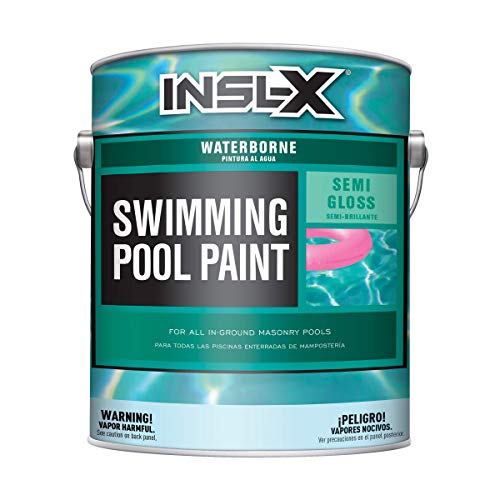
Product: INSL-X Waterborne, Semi-Gloss Acrylic Pool Paint, Aquamarine, 1 Gallon
Brand: INSL-X
Format: Aquamarine waterborne acrylic pool paint, suitable for fresh or saltwater pools. Quick-drying properties aid faster project completion.
Best for: Pool owners who want a lower-odor, easier cleanup option with a quick-dry finish, ideal for small to medium coping areas.
Why selected: The Aquamarine pigment provides a refreshing look with good UV resistance and straightforward application, especially in spaces needing a faster turnaround.
Caution: Acrylics generally require sealant compatibility checks with existing seal coats and may need more frequent maintenance in very sunny environments.
Buying Guide
What type of paint should I choose for pool coping?
- Epoxy paints (two-part systems) offer superior durability, chemical resistance, and long wear, especially on plaster, fiberglass, steel, and aluminum surfaces. They are best for high-traffic coping areas and where lasting performance matters.
- Waterborne acrylic paints provide easier application, lower odor, and quicker cleanup. They’re suitable for DIY projects, smaller areas, or when a faster return to pool use is desired. They can be more prone to wear in heavy chemical exposure or intense sun without proper maintenance.
How do I choose color and finish?
- Lighter colors (like White) can brighten pool decks and reflect sunlight, reducing heat, while darker colors (like Viking Blue) can hide surface imperfections and add depth.
- Semi-gloss to gloss finishes (common with acrylics) offer easy cleaning but show more surface texture. Epoxies provide a robust, smooth finish but require careful application.
What surface compatibility should I verify?
- Ensure the product is rated for plaster, fiberglass, steel, and aluminum or specify the substrates you will coat. Some epoxies adhere better to certain materials than others.
- Check whether you need a primer or sealer for hairline cracks or porous surfaces before painting.
Preparation and application tips
- Prepare surfaces by cleaning, descaling, and removing any loose material. Allow surfaces to dry fully before painting.
- Mix epoxy systems thoroughly and follow the working time to prevent early hardening. For acrylics, stir thoroughly to ensure pigment uniformity.
- Apply in recommended temperature ranges and avoid painting in direct harsh sun or high humidity for best adhesion and drying.
Frequently Asked Questions
- What is the difference between epoxy and acrylic pool paints? Epoxy is typically more durable and chemical resistant but requires mixing and has a shorter working time. Acrylics are easier to apply and clean up, with quicker dry times but may wear faster in harsh pool conditions.
- Can I paint over an existing pool paint? Generally yes if the surface is clean, dry, and well-adhered. Some products specify compatibility with existing coatings; always follow manufacturer guidance.
- How long does it take for pool paint to cure before refilling the pool? Cure times vary by product and climate. Follow the product’s specified dry and cure times before refilling the pool and resuming use.
- Is a primer necessary for pool coping paint? Some epoxy systems include primers or require surface sealers for hairline cracks. Acrylics may benefit from a masonry sealer on porous surfaces.
- What maintenance is required after painting? Regular cleaning and periodic re-coating according to the product’s recommended service life help maintain appearance and protection against chemicals and UV exposure.
- Which product is best for large coping areas? A 5-gallon Dyco Ocean Blue acrylic can cover large surfaces more efficiently, with strong UV and chemical resistance, suitable for extensive pools.