The top picks below are aimed at protecting concrete blocks and masonry from moisture, stains, and weathering. Best for buyers seeking durable, paintable sealers or penetrating coatings for basements, foundations, and exterior block walls. The list highlights five products with clear, actionable differences to help you choose. The quick comparison table offers essential cues on suitability, application scope, and finish. Use this as a reference to pick the right sealer or paint for your block walls.
| Product | Best For | Finish | Notes |
|---|---|---|---|
| KILZ Basement & Masonry Waterproofing Paint | Indoor/outdoor walls | White, satin | Blocks up to 12 PSI; not for floors |
| INSL-X WaterBlock Masonry Paint | Basement and foundation walls | White | High alkali resistance |
| Rain Guard Paint Sealer | Painted concrete surfaces | Semi-satin, clear finish | VOC-conscious; indoor/outdoor |
| KILZ 1-Part Epoxy Acrylic Concrete Paint | Garage floors, basements | Satin | Resists tire, scuffing; interior/exterior |
| Rain Guard Concrete Sealer | New or restored concrete | Natural finish | Deep penetrating waterproofer |
Ames Block & Wall Liquid Rubber Sealer
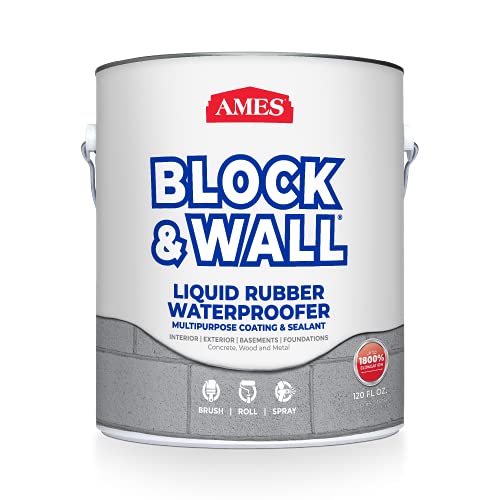
The Ames Block & Wall Liquid Rubber Waterproofer offers a multipurpose coating and sealant that doubles as a concrete sealer and basement foundation waterproofer. Best for buyers seeking a straightforward, single-gallon solution suitable for porous masonry surfaces. It is a white, liquid rubber formulation that can be applied to interior or exterior walls to reduce moisture intrusion. Caution: product origin notes China; consider local availability and surface prep requirements before use.
KILZ Basement And Masonry Waterproofing Paint

Best for: interior and exterior basement walls that require a protective water barrier with nanotechnology. This white waterproofing paint blocks moisture pressure up to 12 PSI, helping prevent water infiltration on concrete and masonry surfaces. Suitable for basements, masonry walls, stucco, brick, and retaining walls. It is not intended for floors or walls with active leaks. Choose this if you want a paint-based seal that adds a durable finish while resisting moisture under challenging conditions.
INSL-X WaterBlock Acrylic Masonry Paint
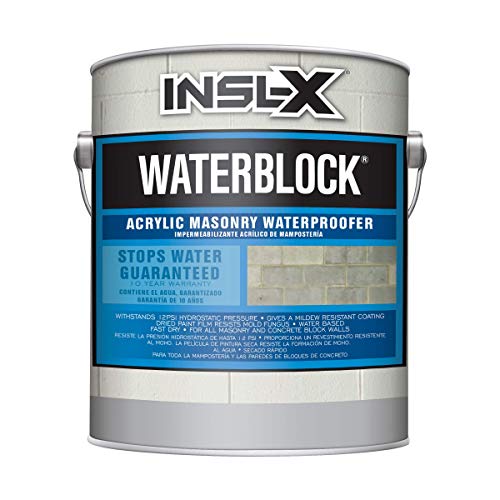
Best for: vertical concrete walls in basements and foundations. This water-based coating seals interior/exterior surfaces, dries quickly, and offers high alkali resistance (pH up to 13). It is versatile for basements, foundations, cinder blocks, stucco, brick, and masonry. A good choice when a fast-drying, breathable finish is desired, though not intended for floors or surfaces under hydrostatic pressure.
Rain Guard Paint Sealer 1 Gallon
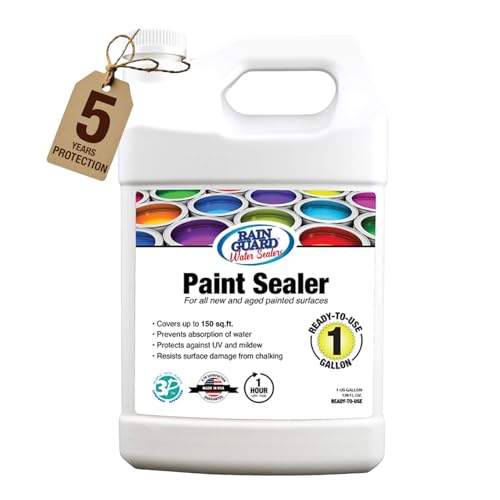
Best for: painted concrete, wood, and stone surfaces requiring a protective, water-repellent coating. This silane/siloxane acrylic sealer dries to a clear semi-satin finish with low odor. It is designed to withstand weather and UV exposure while maintaining a clean look on exterior walls and other painted surfaces. Use caution: intended for painted surfaces and may not adhere well to unpainted blocks without proper surface prep.
KILZ 1-Part Epoxy Acrylic Concrete & Garage Floor Paint

Best for: concrete floors in basements, garages, porches, and driveways. This epoxy acrylic formula resists tire pickup, scuffing, cracking, peeling, and fading, delivering a durable satiny finish. Suitable for properly prepared porous concrete, masonry, stone, and brick. Not recommended for vertical surfaces or areas with hydrostatic pressure. Choose this when you need a floor-grade coating with robust wear resistance.
Rain Guard Concrete Sealer

Best for: penetrating protection on new or restored concrete for water and salt resistance. This deep-penetrating silane/siloxane sealer creates a natural finish while blocking moisture and reducing the risk of cracking and spalling due to freeze-thaw cycles. It suits patios, driveways, and walkways. Limitations: must be applied to clean, dry surfaces for optimal penetration and performance.
Buying Guide: Practical Purchase Considerations
What kind of seal do you need? If you want a paint-like finish that adds decorative color and a moisture barrier, consider basement and masonry paints such as KILZ Basement & Masonry or INSL-X WaterBlock. For unpainted or porous concrete surfaces where you prefer a clear, penetrating shield, opt for silane/siloxane sealers like Rain Guard or Rain Guard Concrete Sealer. For garage floors and high-traffic areas, epoxy/acrylic floor paints like KILZ 1-Part Epoxy provide superior wear resistance. Always prep surfaces thoroughly: clean, dry, and repair cracks before application for best results.
Application environment matters. Interior spaces with limited ventilation require low-odor or VOC-conscious products. Exterior exposures call for breathable formulas that resist UV and weathering while maintaining surface appearance. If water pressure is a concern, look for products that specifically mention PSI resistance or waterproofing capabilities. Surface type matters too: masonry walls, concrete blocks, and brick each respond differently to coatings and sealers. For freezing climates, choose products with proven durability against freeze-thaw cycles.
Finish and appearance influence upkeep. Paint-based sealers can offer color options and uniform finishes, while penetrating sealers emphasize the natural look of concrete. Consider whether you want a clear finish (low odor, minimal color) or a white/colored coating to conceal imperfections. Finally, factor in maintenance: some products require recoating after a set period or exposure to harsh conditions. The right choice balances moisture control, appearance, and long-term upkeep.
Frequently Asked Questions
- What’s the difference between a concrete sealer and a concrete paint? A sealer penetrates or forms a protective barrier to block moisture, while a paint adds color and a visible finish. Some products combine both traits, but goal alignment is key.
- Can I use these products on brick or cinder block walls? Yes, many are formulated for brick, masonry, and concrete blocks. Check each product’s listed surfaces and prep requirements before applying.
- Do these products prevent water intrusion completely? They reduce water infiltration and moisture transfer but are not a substitute for structural waterproofing in severe water intrusion scenarios.
- Is ventilation important during application? Yes. Follow label guidelines for ventilation, drying times, and safety precautions to ensure proper curing and odor control.
- How often should a concrete sealer or paint be reapplied? Reapplication intervals depend on exposure, surface wear, and product type. Exterior sealers often require recoat after several years under harsh weather; paints may need touch-ups or re-coating to maintain protection and appearance.
- Are there environmental or safety concerns? Look for low-VOC or zero-VOC formulations if indoor air quality is a priority. Wear appropriate protective gear and read safety data sheets for each product.
Note: This article presents product options based on listed features and typical use cases. Always follow the manufacturer’s instructions for surface preparation, application, curing times, and safety guidelines.