Yes—clear oil wood finishes protect, enhance, and extend the life of wood projects. This guide helps buyers pick oil-based polyurethane, water-based alternatives, and hardwax oils suited for furniture, floors, and cabinetry. The top picks below are chosen for different needs: long-lasting protection, fast drying, low odor, and easy maintenance. Each option is best for a specific use case, from high-traffic tables to delicate indoor furniture.
| Product | Best For |
|---|---|
| Minwax Satin Polyurethane (½ Pint) | Small projects, interior woodwork needing durable satin finish |
| Minwax Semi-Gloss Polyurethane (1 Quart) | Furniture and floors requiring a semi-gloss, durable coating |
| Watco Butcher Block Clear Oil & Finish | Butcher blocks and food-prep surfaces |
| Minwax Polycrylic (½ Pint) Satin | Light-colored woods and projects needing a crystal-clear finish |
| OSMO Polyx Hard Wax Oil 0.75 L | Natural look with durable hard-wax protection for interior surfaces |
Minwax Fast Drying Satin Polyurethane (½ Pint)

This oil-based polyurethane provides a durable clear coat for interior wood surfaces such as furniture, cabinets, doors, and floors. It delivers a satin sheen that highlights natural grain while offering scratch and spill resistance. Best for small projects like tabletops, trim, or a cabinet makeover where a smooth, non-glossy finish is desired.
Who it’s best for: DIYers finishing smaller projects who want a quick-drying, long-lasting satin finish without a heavy odor. Better for: projects that will see light to moderate use. Caution: oil-based finishes require good ventilation and longer cure times in low humidity environments.
Minwax Fast Drying Semi-Gloss Polyurethane (1 Quart)

This oil-based polyurethane delivers a durable, semi-gloss topcoat suitable for woodwork, furniture, doors, cabinets, and floors. The oil-based finish adds warmth and depth to wood while protecting against scratches, spills, and daily wear. Best for: furniture and floors where a slightly shinier appearance is desired and a strong protective layer is needed. Better for: high-traffic areas that benefit from a tough, long-lasting film. Caution: same ventilation considerations as other oil-based coatings; avoid applying in poorly ventilated spaces.
Watco Butcher Block Clear Oil & Finish
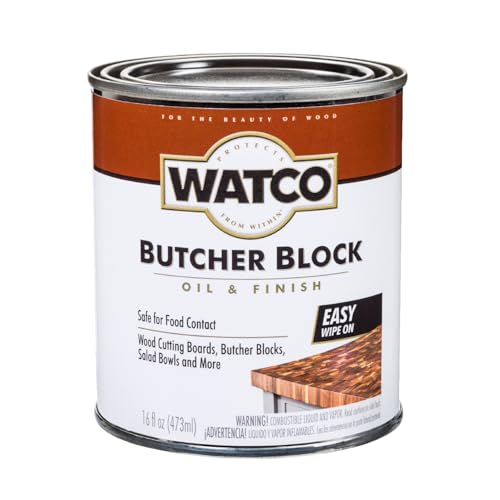
Designed for butcher blocks and food-contact surfaces, this finish is made in the United States and provides a clear, protective coating that enhances the natural look of wood. It’s suitable for indoor woodworking projects and kitchen surfaces where a durable, food-safe feel is important. Best for: cutting boards, countertops, and butcher blocks where food safety and ease of cleaning matter. Limitation: may require reapplication over time for heavy-use surfaces and can alter color slightly with multiple coats.
Minwax Polycrylic Protective Satin (½ Pint)

This water-based protective finish provides a crystal-clear, satin finish that is non-yellowing and low odor. It’s compatible with both oil-based and water-based stains and is ideal for light woods like maple, ash, and birch. Best for: interior projects where color clarity and minimal odor are priorities. Choose this if you want a quick-dry finish with easy cleanup and less impact on the wood’s natural color. Caution: water-based finishes can raise the grain on some woods unless properly prepared.
OSMO Polyx Hard Wax Oil .75 L

OSMO Polyx Hard Wax Oil combines natural oils with wax for a durable, breathable finish that preserves wood’s natural look. It creates a hard-wax surface with mineral-like protection against moisture and wear. Best for: interior woodwork and flooring where a natural appearance and touch of warmth matter. Better for: surfaces where a balance between ease of maintenance and natural wood feel is desired. Caution: application requires some technique to achieve even coverage and proper curing time.
Buying Guide: How to Choose the Right Clear Oil Wood Finish
Oil-based vs Water-based vs Hard Wax Oil
Oil-based polyurethanes tend to enhance warmth and durability, but they require ventilation and longer cure times. Water-based finishes dry quickly, are low odor, and preserve color, though they can be slightly less durable on heavy-use surfaces. Hard wax oils offer natural looks with a sandable, re-applyable protective layer, but may require more careful maintenance and application.
Sheen and Aesthetics
Choose satin for a subtle, modern look; semi-gloss for a bit more shine and depth; or gloss for a bright, glossy finish. The sheen affects both appearance and perceived durability. Consider testing on scrap wood to visualize how the sheen interacts with your wood species.
Wood Type and Use Context
Light woods (maple, birch, ash) often benefit from clear, non-yellowing finishes. Darker woods may look richer with slightly warmer tones from oil-based coatings. For butcher blocks or surfaces with food contact, prioritize finishes labeled for food-safe use or those designed for kitchen surfaces.
Application, Drying, and Maintenance
Follow manufacturer directions for prep, application, and curing. Some finishes require light sanding between coats; others are ready for light use after shorter cure periods. Maintenance varies: wax-based coatings may need occasional reapplication, while polyurethanes typically require refurbishing after years of use.
Safety and Ventilation
Always work in a well-ventilated area. Use protective gear as recommended by the product label. Store finishes properly to avoid accidental spills and exposure to heat or flames.
FAQs
- What finish should I choose for a dining table? A durable oil-based polyurethane with a satin or semi-gloss sheen is common for tables, balancing protection and appearance. Consider a gloss finish if a high-shheen look is desired.
- Is water-based better for interior furniture? Yes for low odor and color preservation; it’s a good option for light woods and projects requiring easy cleanup.
- Can I apply multiple finishes on the same project? Yes, but follow compatibility guidelines. Simpler is to select a single finish type that matches your project goals.
- How long does curing take before using the piece? Check the product label for cure times; oil-based finishes often require longer curing before heavy use.
- Are hardwax oils as durable as polyurethane? They offer strong protection and a natural look, but maintenance and reapplication can be different from traditional polyurethanes.
- Do these finishes yellow over time? Oil-based polyurethanes can amber slightly with age; water-based options stay clearer but may be less forgiving on very heavy wear.