Answering the question: which clear coat is best for wood depends on the project and the desired look. This guide highlights five top options for interior wood finishing, with clear, non-yellowing formulas suitable for furniture, trim, and cabinets. Each choice is best for a specific need—from crystal-clear protection to satin elegance or fast-drying coats. Ideal buyers include DIY furniture painters, hobby crafters, and homeowners refinishing light woods who want to preserve grain and color.
| Product | Best For | Finish |
|---|---|---|
| Minwax 25555 Clear Polycrylic | Glossy, durable protection over stained wood | Gloss |
| Varathane Water-Based Ultimate Polyurethane | Indoor furniture and cabinets needing fast dry | Gloss |
| Minwax 233334444 Polycrylic Satin | Satin, classic look for interior wood | Satin |
| Varathane Triple Thick Polyurethane | One-coat durability for high-traffic wood | Gloss |
| SENVEN Water-Based Polyurethane | Fast-drying, non-yellowing protection | Gloss |
Introduction: The top picks below are organized to help you compare options quickly. Each entry includes who it’s best for, why it was selected, and a practical limitation to watch for. Use the headings to jump to detailed product notes, image references, and key features.
Minwax 25555 Clear Polycrylic — Gloss Finish
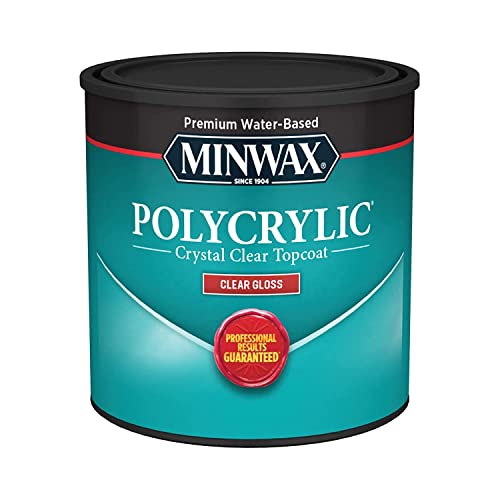
Best for projects where you want a clear, protective top coat that preserves natural color. This water-based finish protects interior wood surfaces like furniture, doors, and cabinets. It’s non-yellowing and low odor, with a gloss sheen that adds a modern brightness to light woods such as maple or birch. It works well over both oil-based and water-based stains.
Who it’s best for: DIYers seeking a high-gloss, crystal-clear finish with low odor; ideal for light woods that you don’t want to amber over time.
Why selected: It provides durable protection against scratches and spills while maintaining a bright, clear appearance. The gloss enhances color and grain without significant color change.
Caution: Polycrylics can raise grain on soft woods; a light sand between coats may help achieve a smoother final surface.
Varathane Water-Based Crystal-Clear Ultimate Polyurethane

Best for interior wood surfaces that require fast-drying protection. This water-based polyurethane dries quickly, allowing recoat after about two hours and coverage up to 31.25 sq. ft. per coat. It cleans up with soap and water and is suitable for furniture, windows, and trim.
Who it’s best for: Home projects needing rapid turnaround and easy cleanup, without strong odors.
Why selected: Combines clear protection with fast dry times, making it a practical option for impatient schedules or multi-coat projects.
Caution: May show brush marks if applied unevenly; use light, even strokes and a quality brush or a spray method to minimize marks.
MCTRHG Clear Acrylic Paint Sealer Gloss
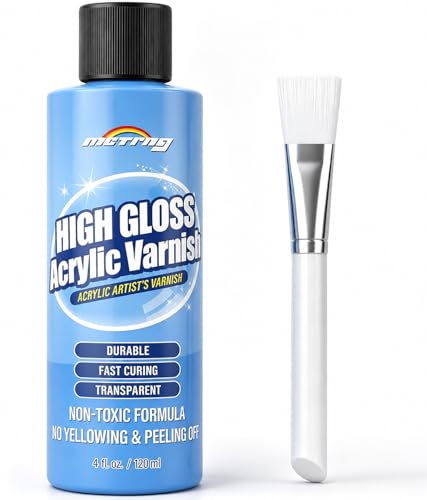
Best for artists and hobbyists seeking a crystal-clear gloss finish that resists yellowing on wood and other surfaces. This non-yellowing acrylic varnish seals and protects painted surfaces and wood, delivering a glass-like shine without brush marks or haze. Suitable for art crafts and light woodworking.
Who it’s best for: Projects prioritizing vivid color and a dramatic gloss on painted or clear-coated wood.
Why selected: Provides UV resistance and a strong glossy level that enhances depth and vibrancy of colors.
Caution: Intended for acrylic-based finishes; avoid heavy coats that can cause longer curing times or cloudiness if misapplied.
Varathane Triple Thick Polyurethane — One-Coat Gloss

Best for surfaces where a durable, high-gloss finish is desired with fewer coats. This water-based formula offers one-coat coverage and strong scratch and stain resistance, drying to the touch in about two hours and covering up to 50 sq ft.
Who it’s best for: Quick projects or situations where you want maximum protection with minimal application steps.
Why selected: The self-leveling, durable finish reduces visible brush marks and speeds up project timelines.
Caution: Best used in a well-ventilated area; avoid thick layers that can puddle or develop surface imperfections.
SENVEN Water-Based Polyurethane Clear Gloss

Best for fast-drying, non-yellowing protection that preserves wood’s natural grain. This interior clear coat dries to the touch within about 20 minutes and allows recoating in 1–2 hours. It emphasizes clarity and minimizes ambering on light woods.
Who it’s best for: Projects that require rapid progress, multiple coats in one day, and a clean, transparent finish that stays true to color.
Why selected: The accelerated drying helps complete projects faster without compromising clarity or grain detail.
Caution: Although fast, ensure each coat is even to avoid streaks or uneven gloss on larger flat surfaces.
Buying Guide: Clear Wood Coats At A Glance
What should you consider when choosing a clear coat for wood?
- Finish type: Do you prefer gloss for a vibrant look or satin for a softer elegance?
- Drying time: Does your project need quick turnaround or longer curing for maximum durability?
- Base: Water-based finishes are low odor and clear; oil-based protect with amber tones over time.
- Durability: Scratches, heat, and moisture resistance requirements vary by project; higher durability coats suit furniture and high-traffic areas.
- Compatibility: Ensure the finish works over your stain or paint and on your wood species.
Frequently Asked Questions
- Q: Which clear coat is best for light woods like maple? A: Water-based polyurethanes or polycrylics that resist yellowing are preferred to maintain color accuracy.
- Q: Do I need to sand between coats? A: In most cases, light sanding between coats improves adhesion and finish smoothness.
- Q: How long does a clear coat last? A: Durability depends on environment and care; follow label directions for recoat intervals.
- Q: Can I apply multiple finishes on the same piece? A: It’s generally best to apply compatible products in sequence, avoiding incompatible coatings.
- Q: Is a clear coat necessary on bare wood? A: For interior furniture and cabinetry, a protective coat helps prevent scratches and stains and preserves color.
- Q: What’s the difference between gloss and satin in practice? A: Gloss emphasizes grain and color with more reflectivity; satin offers a more subdued sheen and is often easier to maintain.