Answering your need for a reliable cinder block water sealer, this guide compares five top options designed to protect masonry walls from moisture and hydrostatic pressure. Ideal buyers include basement owners needing basement-wall sealing, DIY homeowners addressing damp foundations, and property managers seeking durable, low-maintenance coatings. Below is a concise buying table followed by detailed product snapshots to help you choose the best fit for your concrete and masonry surfaces.
| Product | Best For | Key Benefit |
|---|---|---|
| YKF Masonry Pro Foundation & Basement Waterproofing Sealer | Basement walls and foundations | Water-based polyurethane with 15 PSI hydrostatic resistance |
| KILZ Basement and Masonry Waterproofing Paint | Interior and exterior masonry walls | Nanotechnology water barrier with alkali resistance |
| INSL-X WaterBlock Acrylic Masonry Waterproofer | Drying fast, interior/exterior walls | Fast-drying, high alkali resistance (pH up to 13) |
| Siloxa-Tek 8500 Ready to Use | Penetrating protection for concrete & brick | Breathable silane/siloxane formula, DOT approved |
| Americrete A-1325 Clear Matte Concrete Sealer | Floors, walls and exterior cement surfaces | Non-toxic, matte finish, easy to apply |
YKF Masonry Pro Foundation & Basement Waterproofing Sealer

YKF Masonry Pro is a water-based polyurethane coating designed for basement and foundation walls, crawl spaces, and retaining walls. It forms a protective barrier against moisture and provides a high-solid, white decorative finish that can help conceal minor surface imperfections. Best for buyers seeking a single-coat, moisture-resisting sealant that dries to a clean white appearance. Limitations include reliance on properly prepared surfaces for maximum hydrostatic resistance and potential odor during application typical of solvent-like polyurethane finishes.
Best for: basement and foundation walls that require a moisture barrier with a clean finish. Why selected: 15 PSI hydrostatic resistance and a durable water-based polyurethane matrix suit below-grade conditions when surfaces are properly prepared. Caution: Ensure ventilation during application and allow full curing time before backfilling or humidity exposure.
KILZ Basement and Masonry Waterproofing Paint

KILZ waterproofing paint combines a protective, water-repellent barrier with a decorative finish. It is designed for both interior and exterior masonry surfaces, including concrete, brick and cinder block walls. Best for buyers who want a versatile coating that can block water ingress while delivering a durable, alkali-resistant finish. A practical note: not recommended for active leaks or floors; prepare using hydraulic cement for large penetration holes prior to painting.
Best for: multi-surface protection on interior/exterior walls. Why selected: Nanotechnology-empowered barrier blocks significant water pressure (up to 12 PSI) while maintaining decorative finish. Caution: Not ideal for continuous active leaks or floor applications.
INSL-X WaterBlock Acrylic Masonry Waterproofer
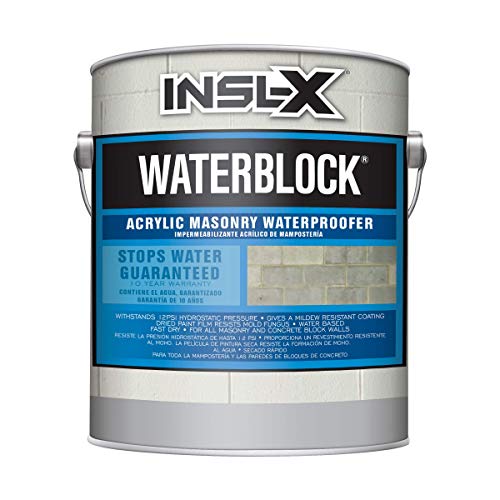
INSL-X WaterBlock is a fast-drying acrylic coating formulated for sealing vertical concrete walls, foundations, and retaining walls. It offers good alkali resistance and is suitable for indoor and outdoor use. Best for buyers needing a quick-drying option that reduces downtime between coats. A potential limitation is its performance compared to penetrating or film-forming sealers in highly saturated conditions.
Best for: rapid protection on basement and exterior masonry walls. Why selected: Quick-drying acrylic with high alkalinity tolerance helps maintain a clean look with less wait time between coats. Caution: May require additional coats or alternative sealers in severe moisture environments.
Siloxa-Tek 8500 Ready to Use – 1 Gallon
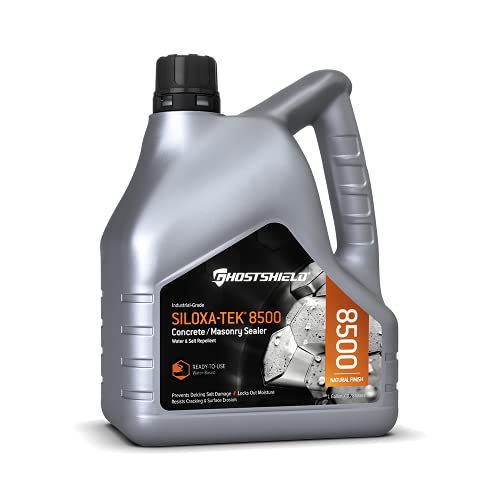
Siloxa-Tek 8500 is a penetrating silane/siloxane sealer designed to reduce water and moisture intrusion while preserving the natural look of concrete, brick, stone, and pavers. It is breathable and low VOC, making it suitable for long-term protection without film formation. Best for buyers who want deep penetration and a low-maintenance finish that does not alter aesthetics. Limitation: requires proper surface preparation for best deep penetration; not a surface film sealer.
Best for: long-lasting, breathable protection with minimal surface gloss. Why selected: Deep penetration reduces moisture without altering the appearance. Caution: Surface must be properly cleaned and dry before application for optimal penetration.
Americrete A-1325 Clear Matte Concrete Sealer

Americrete A-1325 is a clear matte water-based sealer designed for concrete and cementitious surfaces. It provides a non-toxic, easy-to-apply option that leaves a matte finish while offering protection against water and stains. Best for buyers seeking a simple, low-odor option that preserves a natural look. A potential drawback is that it may require reapplication sooner in high-traffic or heavily damp areas compared to penetrating sealers.
Best for: interior or exterior surfaces where a subtle matte finish is desired. Why selected: Non-toxic, easy to apply, and suitable for a wide range of cementitious surfaces. Caution: Matte finish may wear faster in high-use areas; consider reapplication on schedule for high-moisture spaces.
Buying Guide
How to choose the right cinder block water sealer depends on surface type, moisture level, and desired finish. The following practical questions help clarify options.
- Interior vs. exterior: Choose products designed for the environment where the surface resides. Some sealers are better suited for below-grade walls, while others excel on above-ground walls or decorative surfaces.
- Penetration vs. film formation: Penetrating sealers (silane/siloxane) protect from within and preserve appearance; film-forming coatings add a protective layer but can peel if moisture pressure is high.
- Hydrostatic resistance: For basements or walls exposed to pressure, seek products with documented resistance (PSI ratings) or those that advertise moisture barriers.
- Finish and aesthetics: Matte, satin, or clear finishes affect appearance. If aesthetics matter, test a small area to ensure the finish aligns with your expectations.
- Ventilation and curing: Some coatings require proper airflow and curing times. Plan project timing to avoid humidity and rain during application and cure.
- Reapplication intervals: Penetrating sealers often need less frequent reapplication than surface coatings. Consider long-term maintenance when budgeting.
Practical Tips for Application
- Prepare surfaces by cleaning and repairing obvious cracks or holes before sealing.
- Follow product-specific instructions for temperature, humidity, and drying times.
- Test a small area to confirm color, finish, and compatibility with existing coatings.
- Apply with even layering and use appropriate tools (brush, roller, or sprayer) as recommended by the manufacturer.
FAQ
- What is the difference between penetrating sealers and coatings that form a film?
Answer: Penetrating sealers absorb into the substrate, offering moisture resistance without altering appearance. Film-forming coatings create a surface layer that can peel if moisture is excessive or improperly applied. - Can I use these products on damp surfaces?
Answer: Most products perform best on dry or slightly damp but not actively leaking surfaces. Check the product’s dry surface requirements before application. - Do these sealers affect the color of concrete blocks?
Answer: Some products dry clear or with a matte finish; others can leave a subtle white or tinted appearance depending on the finish and base material. - How long should I wait before backfilling or exposing sealed walls to moisture?
Answer: Cure times vary by product and environment; follow the label for cure times and recoat windows to ensure proper sealing. - Is it better to seal interior walls first or exterior walls?
Answer: Prioritize areas most vulnerable to moisture or that contribute to indoor humidity, then seal remaining surfaces as needed. - Are these products safe for pets and children?
Answer: Some formulas are non-toxic or low-VOC; check the product’s material safety data and use in well-ventilated areas during application.