Answering the need for reliable coverage during painting and DIY tasks, these canvas paint drop cloths protect floors, furniture, and fabrics from spills and dust. Best for professional painters seeking durability, DIYers tackling home renovations, and families doing crafts at home. This guide highlights five top options, showing who each cloth suits best and why it stands out.
| Product | Size & Pack | Best For |
|---|---|---|
| Canvas Painters Drop Cloth (9 x 12 Feet, Pack of 2) – Corporate Hills | 9′ x 12′ (Pack of 2) | Professional painters and large-room projects |
| Utopia Home Canvas Drop Cloth 9×12 Ft (1 Pack) | 9′ x 12′ (1 Pack) | DIY projects and home improvement with medium-to-large surfaces |
| Salt Earth Canvas Drop Cloth 4×5 Ft (1 Pc) | 4′ x 5′ (1 Pc) | Smaller spaces, craft projects, kids’ activities |
| ZUPERIA Canvas Drop Cloth 4′ x 15′ (Pack of 2) | 4′ x 15′ (Pack of 2) | Long, narrow coverage for walls and furniture |
| ZUPERIA Canvas Drop Cloth 9×12 Ft (Pack of 4) | 9′ x 12′ (Pack of 4) | Large projects with extra protection needs |
Canvas Painters Drop Cloth 9×12 — Corporate Hills
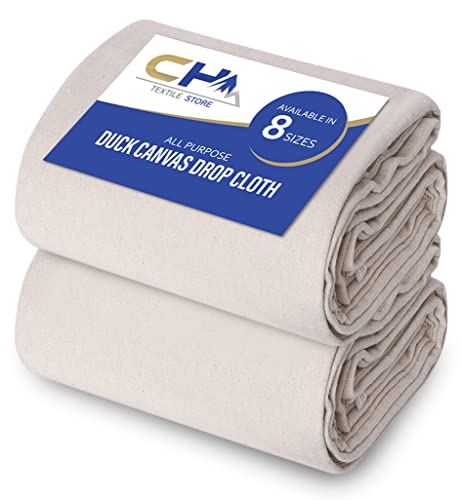
Best for: Professional painters and large-area projects. This 9′ x 12′ drop cloth comes in a two-pack, providing ample coverage for expansive rooms or multiple surfaces. Made from premium cotton canvas, it features double-stitched seams for durability and effective protection against spills, dust, and grime.
Why chosen: The double-stitched hems and reinforced seams increase tear resistance, making it a reliable choice for heavy-duty use. It absorbs liquids well and is designed to protect floors and furniture in both indoor and outdoor settings.
Limitations: Large surface coverage may be overkill for very small projects; consider smaller sizes for compact tasks to save material.
Canvas Drop Cloth 9×12 Ft (1 Pack) — Utopia Home

Best for: DIY enthusiasts and hobby painters who want reliable, mid-sized protection. The 9′ x 12′ canvas drop cloth is built with 8 oz canvas fabric, has double-stitched hems, and is suited for catching paint splatters and dust.
Why chosen: A balance of durability and ease of use. It provides solid protection for floors and furniture, while its cotton canvas makes cleanup straightforward. Use with a plastic underlayment for large liquid spills.
Caution: For major liquid floods or high-volume spills, use additional underlayment to maximize protection.
Salt Earth Canvas Drop Cloth 4×5 Ft — 1 Pc

Best for: Smaller rooms, craft corners, and kid-friendly DIY activities. This 4′ x 5′ drop cloth provides compact protection and is easy to reposition as projects move across a workspace.
Why chosen: It uses premium cotton canvas with double-stitched hems, ensuring edge strength and reduced tearing. Its compact size makes it highly versatile for quick tasks or spot protection.
Limitation: Smaller coverage means more frequent repositioning for larger projects; consider larger sizes for extensive renovations.
ZUPERIA 4′ x 15′ Canvas Drop Cloth (Pack of 2)

Best for: Long, narrow coverage needs like protecting corridors, long furniture pieces, or stretching across multiple surfaces in a single tale. The two 4′ x 15′ cloths offer extended length without sacrificing edge durability.
Why chosen: Premium cotton blend with double-stitched hems provides robust protection against drips and spills. The long strips minimize seams and simplify setup in tight spaces.
Caution: If spills are heavy, pair with a underlayment or additional underlay to stop seepage beyond the cloth edges.
ZUPERIA 9×12 Ft Canvas Drop Cloth (Pack of 4)
Best for: Large-scale projects requiring extra protection. The 9′ x 12′ dimensions with a pack of four provides ample coverage for multiple surfaces or ongoing renovations.
Why chosen: The canvas fabric is thick, highly absorbent, and built to resist tearing thanks to reinforced seams. It is designed for reuse after washing, offering good long-term value for frequent painters.
Limitation: The large kit may be heavier to manage, so plan your setup to optimize placement and minimize repositioning during work.
Buying Guide: How To Choose The Right Canvas Drop Cloth
- Project size and space: For big rooms or studios, choose larger sizes or multi-pack options. Smaller spaces benefit from 4′ x 5′ or 6′ x 9′ canvases to reduce waste.
- Material and thickness: Most premium options use 8–10 oz cotton canvas. Heavier cloths resist tearing; lighter cloths are easier to move and store.
- Seams and durability: Look for double-stitched hems and reinforced seams. They reduce ripping and prolong cloth life under frequent use.
- Absorbency and spills: Tightly woven canvases absorb paint and dust well. For heavy liquids, use an underlayment or plastic film beneath the cloth.
- Reusability and care: Some canvases are washable and reusable. Check care instructions to maximize lifespan and value.
- Usage versatility: Drop cloths can double as curtains, table coverings, or backdrops. Consider multi-use options for added value.
- Storage and cleanup: Roll or fold to minimize creases. Keep away from direct sunlight to prevent material degradation over time.
FAQ
- What size drop cloth should I buy for a small project? For small projects, 4′ x 5′ or 6′ x 9′ canvases work well, offering adequate protection without excess material.
- Is cotton canvas better than plastic for drop cloths? Cotton canvas is durable, absorbent, and reusable, often preferred for paint protection. Plastic underlayment can add extra spill protection for liquids.
- Can drop cloths be washed and reused? Many cotton canvases are reusable after washing, but always follow the care instructions to maintain integrity.
- Do I need double-stitched hems? Double-stitched hems strengthen the edges and reduce tearing, especially on larger or more active projects.
- How should I position a drop cloth for best coverage? Lay cloths flat, smooth out wrinkles, and ensure seams are away from high-traffic areas to prevent tripping and tearing.
- When should I use a plastic underlayment? Use underlayment for major spills or when working with liquids that might seep through cloth edges.