If you’re painting glossy, slick, or hard-to-coat surfaces, the right bonding primer is essential. This guide highlights five top products that excel at sticking to oil-based schemes and other challenging substrates. It’s ideal for DIYers tackling renovations, professionals refinishing furniture or cabinets, and hobbyists restoring surfaces with minimal prep. Below, compare each primer’s strengths, best uses, and any limitations to help you choose confidently. The quick-reference table at the top of the introduction offers a snapshot of the featured products for fast shopping.
| Product | Best For | Key Benefit | Limitations |
|---|---|---|---|
| INSL-X SXA11009A-04 Stix (Quart) | Glossy surfaces & hard-to-coat materials | Excellent adhesion on tile, PVC, glass, metal | Typically requires topcoat compatibility check for specialty finishes |
| Zinsser 3608 Cover Stain (Spray, 13 oz) | Stain blocking on interior/exterior projects | Great hiding power, seals stains, no sanding needed | Spray format may be less precise for detail work |
| INSL-X SXA11009A-01 Stix (Gallon) | Large projects & durable surfaces | Premium bonding to numerous hard-to-coat surfaces | Higher cost per quart; larger can requires more coverage planning |
| Rust-Oleum Stops Rust Universal Bonding Primer (12 oz) | Metal, masonry, and high-adhesion needs | Low odor, low VOC, good wet adhesion | Smaller can size; may require multiple coats for deep colors |
| Rust-Oleum Stops Rust 5-in-1 Bonding Primer Spray (12 oz) | Spray applications on varied surfaces | Versatile topcoat bonding with corrosion resistance | Spray format may overspray in tight spaces |
All five products are designed to improve adhesion on difficult surfaces, helping you achieve a smooth, long-lasting finish when painting with oil-based paints or latex topcoats. The following sections detail each option to help you select the best match for your project.
INSL-X Stix Acrylic Bonding Primer (Quart)
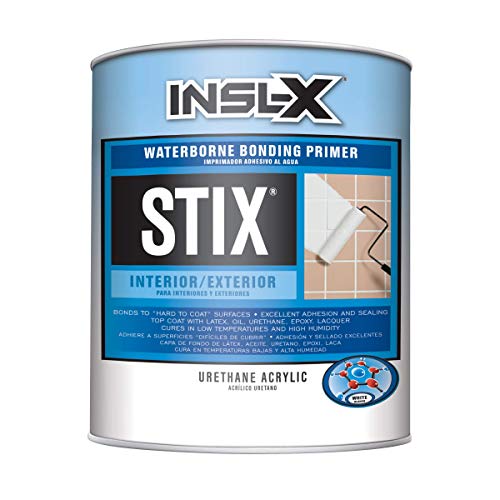
Best for: Surfaces that are notoriously difficult to coat, including glossy tile, PVC, vinyl, glass, Formica, and galvanized metal. This premium acrylic-urethane bonding primer-sealer provides strong adhesion to hard-to-coat substrates, making it ideal for bathrooms, kitchens, basements, or exterior trim where oil-based paints will be used as a topcoat.
Why selected: Bonds to multiple challenging materials and serves as a robust foundation for almost any topcoat. It’s particularly suited for projects where surface gloss or previous coatings hinder adhesion.
Caution: Ensure compatibility with your chosen topcoat; some specialty finishes may require a specific sealer or additional surface prep for optimal results.
Zinsser 3608 Cover Stain Primer Spray

Best for: Projects requiring stain blocking and adhesion on interior or exterior surfaces, with no sanding required.
Why selected: Combines stain-sealing with excellent adhesion, helping prevent tannin bleed and dark color showing through topcoats. Its spray format is convenient for larger or multi-surface jobs.
Caution: Spray application can be harder to control in tight corners; consider masking and using a light misting technique for even coverage.
INSL-X Stix Acrylic Bonding Primer (Gallon)

Best for: Large-scale projects where durable bonding to hard-to-coat surfaces is required, including drywall, plaster, wood trim, Formica, glossy surfaces, and masonry walls.
Why selected: The gallon size offers cost efficiency for long renovates or multi-room projects, ensuring consistent bonding across surfaces like aluminum, ceramic tiles, and stucco.
Caution: As with quart containers, verify topcoat compatibility and allow adequate curing time between primer and finish coats.
Rust-Oleum Stops Rust Universal Bonding Primer
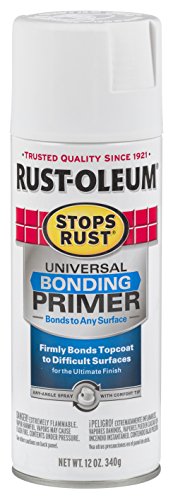
Best for: Exterior and interior projects that involve metal, masonry, laminate, PVC, porcelain, or galvanized surfaces. This low-odor, low-VOC primer supports moist or humid environments.
Why selected: Its versatility makes it a strong all-purpose bonding primer, especially for metal and weather-exposed surfaces where adhesion and moisture resistance matter.
Caution: Not ideal for very high-tape-distance, precision spray tasks; ensure a clean, dry surface before application.
Rust-Oleum Stops Rust 5-in-1 Bonding Primer Spray

Best for: Quick, even coverage on multiple surfaces where a spray primer is preferred, including galvanized steel, wrought iron, railings, and laminate.
Why selected: The spray format offers convenient, fast application and strong bonding across diverse materials. It’s a practical choice for projects needing rapid priming with good adhesion.
Caution: Sprays can overspray in tight spaces—use a spray shelter or perform the task outdoors when possible.
Buying Guide: Bonding Primers For Oil-Based Paint
What makes a bonding primer effective on oil-based paints?
Bonding primers are formulated to adhere to difficult substrates and provide a solid surface for topcoats. Look for adhesion claims on glossy, metallic, or non-porous surfaces, compatibility with oil-based or waterborne finishes, and whether the primer creates a seal against stains or tannins.
What surface are you priming?
Consider whether you’re working with metal, glass, wood, ceramic, masonry, or laminate. Some primers excel on glossy finishes, others are optimized for porous substrates. Choose a product that lists your surface type among its recommended applications.
What topcoat will you use?
Ensure the primer is compatible with your intended topcoat, whether oil-based, acrylic, latex, or enamel. Some bonding primers require specific topcoats to maximize adhesion and finish quality.
Environment and odor considerations
Low VOC and low odor formulations are helpful for indoor projects or spaces with limited ventilation. Exterior projects may benefit from primers designed for moisture resistance and weather exposure.
Application and coverage
Review can size, drying time, and recoat windows. Larger projects may benefit from gallon-size primers for consistency, while spray formats offer speed for smaller jobs. Always follow safety guidance on label directions for ventilation and personal protection.
FAQ
- Do bonding primers work on oil-based paints? Yes. Bonding primers improve adhesion for subsequent coats, including oil-based topcoats, on difficult surfaces.
- Can I use a bonding primer on glossy ceramic tiles? Yes, many bonding primers are designed to stick to glazed or glossy tiles, yielding a better base for topcoats.
- Is sanding required with bonding primers? Some products require minimal surface prep; others claim no sanding. Check product guidance for your specific surface.
- What is the advantage of spray bonding primers? Sprays offer quick, uniform coverage on multiple surfaces and are useful for larger areas or textured substrates.
- How do I choose between a gallon and a quart? Estimate project area and cost per square foot; larger jobs often benefit from gallon sizes for consistency and value.
- Are there odor concerns? Some primers are low-odor or low-VOC, suitable for indoor use, while others prioritize performance over odor considerations.