Answering your search for reliable plaster bonding agents, these picks cover general purpose, concrete and plaster-to-surface adhesion. Best for homeowners, DIYers, and pros working with plaster, cement, or renders. Each option highlights suitability, limitations, and where it excels to help you choose confidently.
| Product | Best For | Key Benefit |
|---|---|---|
| Larsen Plaster-Weld Bonding Agent Quart | Small repairs and patch projects | Quart size for precise use |
| Everbuild 501 Universal PVA Bond | General purpose bonding & internal fillers | Multi-use with mortar admixture potential |
| Akona Concrete Bonding Additive | Strengthening concrete and mortar mixes | Liquid additive for strong adhesion |
| Larsen Plaster Weld Plaster Bonding Agent Gallon | Larger plaster projects | Pink, non-bleeding formula |
| Larsen Weld Crete Concrete Bonding Agent (Quart) | Concrete bonding on various substrates | Quart size for manageable projects |
Larsen Plaster-Weld Bonding Agent Quart
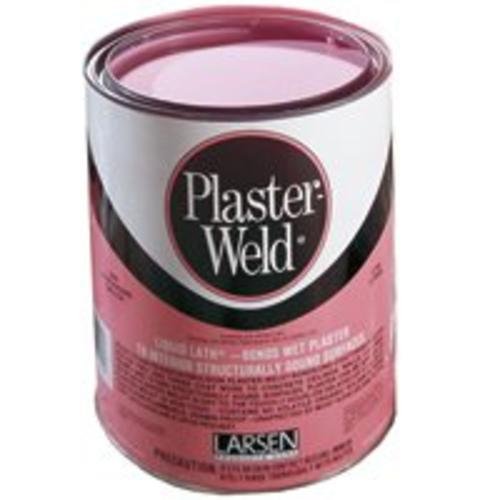
Best for small plaster repairs and patch work where precise dosing is important. This quart-sized bonding agent is labeled for plaster-weld bonding and suits DIY repairs or incremental renovation projects. The product is suitable for surfaces needing a reliable adhesive bridge before plaster laydown or re-plastering.
Who it’s best for: Homeowners completing patch repairs or small-scale plaster projects. Why selected: It provides targeted bonding for plaster surfaces without large quantities, reducing waste and mess.
Caution: Limited size means multiple batches may be needed for larger areas.
Everbuild 501 Universal PVA Bond – General Purpose
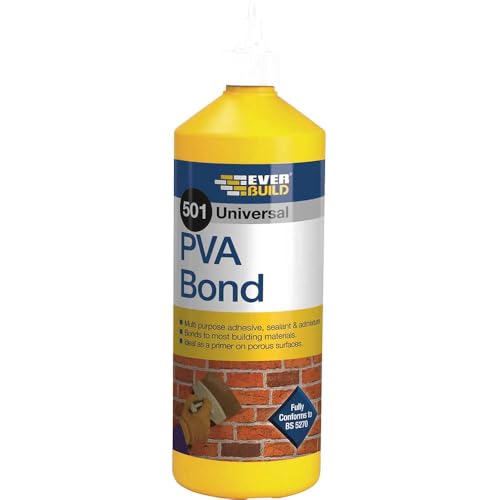
Versatile, multi-use PVA bonding agent ideal for internal bonding and as an adhesive for wood, cork, paper, and textiles. It also works as an internal filler when mixed with wood shavings or plaster, and can be used as an admixture for internal mortar, screeds, and renders.
Who it’s best for: Renovation projects requiring a single product for multiple bonding tasks. Why selected: Flexibility across substrates reduces the need for additional products.
Caution: As a PVA, performance can vary with substrate porosity and humidity.
Akona Concrete Bonding Additive

High-strength liquid additive designed to be mixed into concrete, sand, and cement blends to improve adhesion and durability. It is not meant to be used alone but enhances strength when combined with base mixes.
Who it’s best for: Projects needing stronger concrete or mortar bonds, particularly in variable weather or cold conditions. Why selected: Emphasizes adhesion in mixes rather than standalone application.
Caution: Do not use as a standalone coating; effectiveness depends on proper mix ratios.
Larsen Plaster Weld Plaster Bonding Agent Gallon

Gallon-sized plaster bonding solution featuring pink color and non-bleeding formulation for easy application and visibility on surfaces. Ideal for larger plastering tasks or ongoing projects where consistent bonding is essential.
Who it’s best for: Contractors or serious DIYers tackling larger plaster surfaces. Why selected: Larger container reduces frequency of re-purchases and supports speed of work.
Caution: Pink color helps tracking but may require surface prep to ensure proper bonding on certain substrates.
Gallon Weld Crete Concrete Bonding Agent
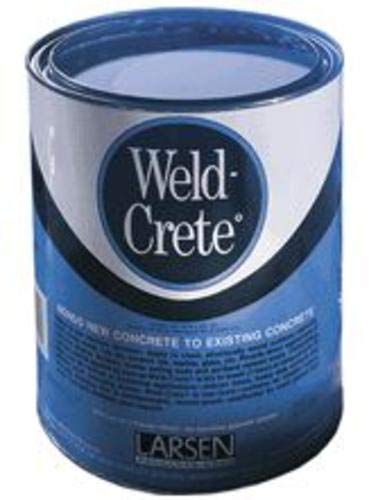
Five-gallon pail alternative for projects requiring more material, designed to bond new concrete or mortar to existing substrates. Useful for larger builds or where extended material supply is necessary.
Who it’s best for: Builders and remodelers performing substantial concrete bonding tasks. Why selected: Large volume ensures long workflow without frequent restocking.
Caution: Large quantity requires proper storage and careful handling to prevent premature drying or contamination.
Larsen Weld Crete Concrete Bonding Agent, Quart

Quart-sized interior/exterior bonding agent for concrete projects. Sizes down to a quart allow precise use for small-to-medium tasks, with clear application across substrate types.
Who it’s best for: Small teams or DIYers pursuing multi-surface bonding needs. Why selected: Flexibility of size and substrate compatibility makes it a versatile option.
Caution: Ensure compatibility with existing finishes to avoid incomplete bonding on very slick substrates.
Buying Guide
What to consider when choosing a plaster bonding agent:
- Project scope: Choose smaller bottles for patches; larger containers for ongoing or large-area work.
- Substrate compatibility: Some agents are better for plaster, others for concrete or painted surfaces.
- Mix-in or stand-alone use: Some products are admixtures for mixes; others act as surface primers.
- Curing and environmental conditions: Temperature and humidity influence adhesion and drying time.
- Visibility: Colored bonding agents (like pink/blue) aid coverage checks and ensure thorough application.
Frequently Asked Questions
- What is the primary purpose of a bonding agent for plaster?
To improve adhesion between plaster and existing substrates, reducing the risk of delamination. - Can bonding agents be used with cement or mortar mixes?
Yes, many products act as admixtures to enhance strength and bonding in cement or mortar blends. - Is a primer necessary before plastering over smooth surfaces?
In many cases, yes. A bonding agent helps create a key for plaster to adhere. - Do I need a large quantity for small repairs?
No. Choose quart or small containers for patch work to prevent waste. - Are there safety considerations when using bonding agents?
Follow the manufacturer’s instructions, use PPE, and ensure good ventilation during application. - Will a bonding agent dry quickly in cold weather?
Drying times vary; cold temperatures can slow curing, so check product guidelines.