Answer: For shutters, choose a dark, durable, quick-drying paint that adheres to multiple surfaces and resists fading and chipping. The following products are selected for their versatility on metal, wood, and composite materials, plus fast-drying formulas and low odor. This guide helps buyers pick the best option for exterior shutters, interior wood shutters, or metal-louvered shutters. The top picks cater to outdoor durability, indoor touch-ups, and one-coat convenience where applicable.
| Product | Best For | Why It’s Chosen |
|---|---|---|
| Rust-Oleum 369383 Advanced Dry Door & Trim Paint | Exterior or interior shutters (metal, wood, fiberglass) | Water-based, low odor, fast-drying, fade-resistant, pre-mixed for convenience |
| Rust-Oleum Painter’s Touch Latex Brush-On Paint | Multi-surface projects (metal, wood, plaster, masonry) | Fast dry, durable, satin finish, good coverage per can |
| Rust-Oleum Painter’s Touch Latex Brush-On Paint (Flat Black) | Indoor/outdoor shutters and decor (varied surfaces) | Low odor, quick drying, long-lasting protection, large coverage |
| THE ONE All-In-One Paint & Primer | Versatile, single-coat projects (walls, furniture, doors) | One-coat formula, multi-surface, quick-drying, low VOC |
| Krylon Fusion All-In-One, Matte, Black | Outdoor and indoor projects (plastic, wood, metal, PVC) | Excellent adhesion, rust protection, no-primer requirement |
Rust-Oleum Advanced Dry Door & Trim Paint

Best for: Exterior shutters or interior trim on metal, wood, or fiberglass. This water-based formula reduces odor and dries to the touch quickly, which is helpful for projects with restricted work areas. The finish resists fading, making it a solid long-term choice for shutters that face sun and weather. The product is ready to use, with a fast dry time—about 45 minutes—so projects can progress faster. Choosing this paint is ideal when you want a durable, low-odor option that performs well outdoors or indoors with minimal setup.
Key considerations: Suitable for multiple substrates, but ensure surface cleaning and slight scuffing to maximize adhesion. You may prefer this if you want a ready-to-use, all-in-one solution that reduces the complexity of priming.
Caution: As with any water-based paint, temperature and humidity can affect cure time. Use in well-ventilated areas and allow ample dry time between coats if applying in cooler conditions.
Rust-Oleum Painter’s Touch Latex Brush-On Paint, Satin Canyon Black

Best for: Multi-surface interior or exterior projects needing a satin finish on metal, wood, plaster, masonry, or unglazed ceramic. This product covers up to 25 sq. ft. per can, offering good versatility for shutters with multiple panels or smaller sections. The satin finish helps reduce glare on bright days while maintaining a rich black look. It’s a practical choice when you want a flexible, easy-to-use brush-on option with robust color retention.
Why selected: Strong adhesion and durable finish on common shutter materials. The brush-on format allows precise application around decorative shutters or intricate trim.
Limitation: Less abrasion resistance than higher-gloss finishes in areas with heavy sun exposure or frequent handling. Consider a topcoat if exposed areas require extra protection.
Rust-Oleum Painter’s Touch Latex Brush-On Paint, Flat Black
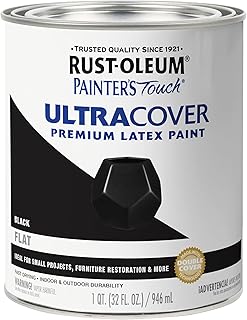
Best for: Indoor or outdoor shutters and decor surfaces that benefit from a flat black finish. This interior/exterior product is a versatile option for wood, metal, plaster, and masonry, offering low odor and quick drying. It’s well-suited for projects where a non-reflective look is desired or where a flat finish helps hide surface imperfections.
Why selected: The wide surface coverage (up to 120 sq ft) and fast touch-dry time make it efficient for larger shutter installations or frequent touch-ups. It resists chipping and fading, supporting long-term aesthetics.
Caution: Flat finishes tend to show surface texture more than satin or gloss; sand lightly between coats for smoother results.
THE ONE All-In-One Paint & Primer – Black Gloss

Best for: Projects where a single product must provide paint and primer coverage for interior or exterior walls, floors, furniture, and doors. The One is designed to be highly pigmented with a fast-drying formula and offers a variety of finishes, including gloss. It’s a practical option for shutters that require a cohesive, durable black finish without layering multiple products.
Why selected: One-coat capability can simplify workflows for small shutters or limited time windows. The wide finish options make it adaptable for different exterior textures and indoor decor. This product is chosen for its versatility and potential time savings.
Limitation: While it offers one-coat coverage, deep colors may still benefit from a second pass in areas with uneven surfaces or heavy sun exposure.
Krylon Fusion All-In-One, Matte, Black

Best for: Indoor or outdoor projects requiring strong adhesion on challenging surfaces with minimal surface preparation. The Fusion All-In-One provides rust protection and adheres well to plastic, wood, metal, PVC, tile, and more—ideal for shutters with mixed materials or unusual substrates.
Why selected: It offers durable rust protection and a broad surface compatibility without sanding or priming, which is beneficial for quick shutter refreshes. The matte black finish is less reflective while maintaining a bold look.
Caution: As with spray paints, spray technique matters; use in a well-ventilated area and apply in light, even coats to avoid drips on vertical surfaces.
Buying Guide
What shutter material are you painting?
Shutters can be wood, metal, fiberglass, or PVC. Choose a paint formulated for your substrate. For wood, consider high-adhesion acrylic latex or oil-modified options. For metal, rust-inhibiting and corrosion-resistant formulas help prevent future coating failures. For fiberglass or PVC, look for products labeled for plastic or multi-surface use.
Finish and sheen considerations
Glossy finishes provide the strongest color pop and washability but show imperfections more readily. Satin provides a balance of depth and durability, while flat/matte hides texture but may require more frequent cleaning. For exterior shutters, gloss or semi-gloss is common for durability; for interior shutters, satin can offer a refined look with easier cleaning.
Drying time and recoat windows
Fast-drying paints allow quicker project completion, especially when working on multiple shutter panels. However, ensure each coat cures fully before exposure to weather if painting exterior shutters. Low-odor formulas are helpful in enclosed spaces or near living areas.
Primer and one-coat options
Some products include primer in one or advertise a one-coat formula. If painting over a very different color or a glossy surface, primer can improve adhesion and uniform color. For complex substrates, a primer might still be beneficial for long-term durability.
Application method
Brush-on paints offer precise control for detailed shutter features, while spray paints provide fast coverage for flat, broad areas. Mix and apply according to the manufacturer’s instructions. Ensure surfaces are clean, dry, and free of peeling coatings before application.
Maintenance and longevity
Consider UV resistance, fade resistance, and abrasion resilience when selecting a finish. Exterior shutters experience sun exposure and weathering; indoor shutters benefit from easier cleaning and less aggressive environments but still warrant durable formulations for long-lasting color retention.
FAQ
- Q: Is matte or gloss better for shutters?
- A: Glossy finishes are more durable and easier to clean, while matte hides surface imperfections. Choose based on exposure and aesthetic preference.
- Q: Do I need a separate primer for shutters?
- A: Some products include primer or are designed as multi-surface all-in-one formulas. For challenging surfaces or drastic color changes, primer can improve adhesion and coverage.
- Q: Can I paint plastic shutters with these products?
- A: Yes, provided the product is labeled for multi-surface or plastic use. Check the product details for substrate compatibility.
- Q: How long should I wait between coats?
- A: Follow the manufacturer’s drying time. Typical ranges are 30 minutes to a few hours depending on humidity and temperature.
- Q: Are there odor concerns?
- A: Water-based formulas generally emit less odor than oil-based paints, but ensure proper ventilation during application.