Answering the needs of woodworkers and hobbyists, this guide highlights top acrylic coatings with clear, protective finishes for wood surfaces. These products suit different projects—from furniture to crafts—providing long-lasting protection, clear gloss, and minimal yellowing. Best for beginners are spray sealers that are easy to apply; best for furniture and cabinetry are durable, one-coat polyurethanes and polycrylics; best for mixed-media crafts are non-yellowing sealers that dry crystal clear. The selection below focuses on user-friendly options with clear finishes that resist moisture, scratches, and UV exposure where applicable.
| Product | Best For | Finish | Notes |
|---|---|---|---|
| MCTRHG Clear Acrylic Paint Sealer | Artisans, hobbyists | Gloss, crystal clear | Self-leveling, minimal brush marks |
| Varathane Triple Thick Polyurethane | Furniture, cabinets | Gloss, durable | One-coat coverage; water-based |
| Minwax Polycrylic Protective Finish (Satin) | Woodworking projects | Satin clear | Non-yellowing; low odor |
| Mod Podge Spray Acrylic Sealer (Gloss) | Craft projects, multi-surface | Gloss, crystal clear | Dries quickly; non-yellowing |
| Krylon Crystal Clear Acrylic Spray (Gloss) | General wood finishing | Gloss, crystal clear | Moisture-resistant |
MCTRHG Clear Acrylic Paint Sealer
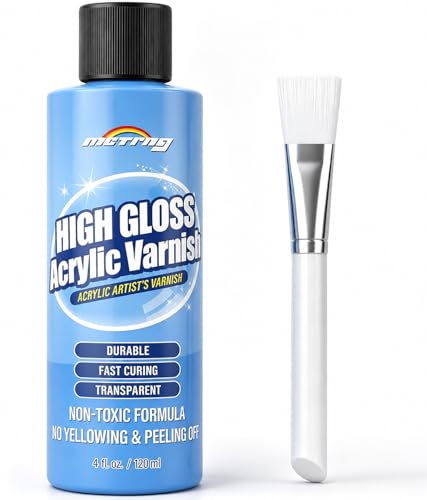
Best for: Artists and hobbyists seeking a crystal-clear, high-gloss finish that protects without yellowing. This sealer forms a durable, glass-like coating that enhances color depth and vibrancy. It is especially suitable for acrylic paintings on wood, as well as crafts using clay and glass.
Why selected: It provides a permanent protective layer with a bold reflective shine, improving color richness while resisting UV exposure. The self-leveling formula reduces brush marks, delivering a smooth, even finish.
Limitation: It may be best used in well-ventilated areas; check compatibility with very porous surfaces to avoid uneven absorption.
Krylon COLORmaxx GLOSS Crystal Clear

Best for: Indoor/outdoor projects needing a dependable clear coat with a high-gloss finish. This is a solid choice for wood furniture, crafts, and decorative pieces that require a protective sheen.
Why selected: The gloss, crystal-clear layer resists yellowing and provides a durable topcoat that enhances color clarity. It is a versatile spray option for quick, even coverage.
Limitation: Spray coatings can be difficult to apply in windy or uncontrolled environments; detailed edges may require careful masking.
Varathane Triple Thick Polyurethane

Best for: Interior wood surfaces like furniture, doors, and trim that demand durable, one-coat coverage. Ideal for users who want a strong, scratch-resistant finish with minimal application steps.
Why selected: The self-leveling, water-based formula dries quickly and covers up to 50 sq ft, delivering a protective barrier against wear and spills while maintaining a clear, glossy look.
Caution: For large surfaces, apply evenly to avoid patchy areas; temperature and humidity can affect cure time and finish quality.
Minwax Polycrylic Protective Finish (Satin)

Best for: Woodworking and cabinetry where a satin, non-yellowing finish is desired. Works well over both oil- and water-based stains on various wood species.
Why selected: Clear, satin finish that protects against scratches, dirt, and moisture while preserving the wood’s natural tone. Non-yellowing and low odor make it a versatile all-purpose topcoat.
Limitation: Satin sheen may be less forgiving for high-gloss preferences; ensure the underlying stain is compatible with water-based finishes.
Minwax Polycrylic Protective Finish (Quart, Satin)

Best for: Interior wood projects requiring a crystal-clear, satin protective layer that works well with many stains and woods.
Why selected: Crystal-clear result that protects without ambering or yellowing; low odor makes it suitable for indoor use in shared spaces.
Limitation: Requires proper ventilation during application and drying; some surfaces may benefit from a light sanding between coats for best adhesion.
Mod Podge Spray Acrylic Sealer (Gloss)
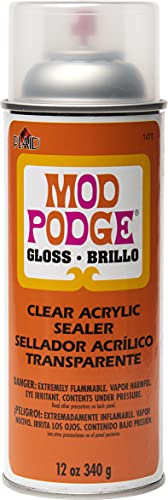
Best for: Craft projects, multi-surface sealing on wood, metal, canvas, and terra cotta. Quick-drying and easy to apply in a spray format.
Why selected: Dries crystal clear with a glossy finish, enhancing craft visuals while providing a non-yellowing seal that’s ideal for mixed-media work.
Limitation: Spray can deliver best results at proper distance; avoid heavy coats to prevent drips or cloudiness.
Krylon Spray Paint Crystal Clear Gloss
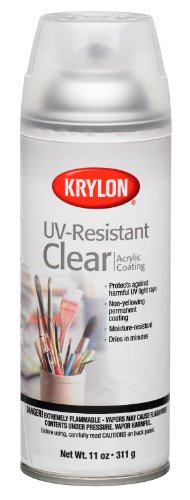
Best for: Quick-gloss finishes on wood and other surfaces needing a durable, moisture-resistant topcoat with a bright, clear gloss.
Why selected: Permanent, protective gloss finish that resists yellowing; good for projects that require an easy-to-apply spray coating.
Limitation: Like other sprays, uniform coverage depends on technique and environment; practice a thin, even mist to avoid runs.
Buying Guide: Key Purchase Considerations
Finish type matters: Decide whether you want a gloss, satin, or clear durable topcoat. For furniture, a durable polyurethane or polycrylic with good scratch resistance is usually best. For art and crafts, a non-yellowing, crystal-clear sealer often preserves color accuracy.
Base compatibility: Ensure the coating works with your wood type and any stains in use. Water-based formulas typically dry faster and have lower odor, while oil-based options may offer deeper sheen and longer durability.
Application method: Sprays are convenient for large or intricate pieces; brushes or pours are suitable for controlled, uniform coats on flat surfaces. Self-leveling formulations reduce brush marks but require a smooth application surface.
Drying and cure times: Look for coatings that dry to the touch quickly if you need to handle the piece soon. Full cure can take longer; plan accordingly for multi-coat projects.
Yellowing resistance: If you plan to expose the wood to sunlight or strong lighting, choose a non-yellowing formula to preserve the wood’s natural color and any stains.
Ventilation and safety: Many clear coats contain solvents. Work in a well-ventilated area and follow label instructions for ventilation, drying times, and protective gear.
FAQ
- What’s the difference between polycrylic and polyurethane? Polycrylic is water-based, dries quickly, and is less likely to yellow, making it ideal for light woods and white finishes. Polyurethane is often more durable and can be oil- or water-based; it tends to amber slightly over time.
- Is a spray sealer better than a brush-on finish? Sprays offer quick, even coverage and are convenient for large areas or curved surfaces. Brush-on finishes provide more control on small or detailed projects and can reduce overspray.
- How many coats should I apply? Two to three coats are common for durability, with light sanding between coats for adhesion. Follow the product’s recommended guidance.
- Will these finishes protect against water? Most coatings provide water resistance; polyurethane and polycrylics offer higher moisture resistance. Consider a product labeled for interior use with water resistance for wet areas.
- Can I finish stained wood with these products? Yes. Many coatings are suitable over oil- or water-based stains. Ensure compatibility by testing on a small area first.
- How do I avoid yellowing? Choose water-based, non-yellowing formulas for light woods and white finishes, especially with clear or light stains.