When choosing a 600 grit sanding block, look for durable abrasive material, comfortable grip, and versatility for wet or dry use. This guide highlights five top 600 grit blocks suited for metal, wood, drywall, and furniture projects. Best for DIY hobbyists, professional refinishing, and homeowners tackling smooth finishing tasks.
| Product | Grit Range | Best For |
|---|---|---|
| HARFINGTON 4pcs Sanding Sponge Blocks | 500-600 | Flat and contoured surfaces; durable polishing |
| Pukamam 24 PCS 500-600 Grit | 500-600 | Wood furniture, metal, drywall refinishing |
| Auniwaig 400-600 Grit | 400-600 | Versatile wet/dry sanding for wood and drywall |
| SACKORANGE 20 PCS 600 Grit | 600 | Edges, corners, small areas; quick touch-ups |
| Marvexi 600 Grit Sanding Sponge | 600 | Intermediate sanding; curves and detail work |
HARFINGTON 4pcs Sanding Sponge Blocks

Product type and grit: 500-600 Grit sanding blocks, four-sided for versatile use. Material: corundum abrasive surface offers hardness and durability for both wet and dry grinding. Size: 100x70x25mm. The high-density sponge provides cushioning for better control and reduces risk of scratches. Best for projects needing both flat and contoured sanding. Caution: The sponge can wear with heavy use; check for torn corners before reuse. This set is ideal for polishing kitchen metal, wood, drywall, and furniture surfaces.
Pukamam 24 PCS Sanding Sponge Block 500-600 Grit

Pack and grit: 24 pieces of 500-600 grit sanding sponges. Design: soft sponge buffering layer minimizes vibrations and reduces hand fatigue. Use: suitable for wet or dry sanding on wood furniture, metal, or drywall. Best for DIY refinishing and professional touch-ups. Caution: The abrasive surface can wear with extended use; replace when grit becomes uneven.
Auniwaig 400-600 Grit Sanding Sponge Block

Grit range and format: 400-600 Grit, 98x70x25mm. Wet and dry use; washable and reusable. The sponge is easy to grip and designed to resist tearing, offering reliable control on flat and curved surfaces. Best for mid-level refinishing on wood, drywall, and metal. Caution: 600 grit performance depends on proper surface preparation; avoid over-sanding delicate coatings.
SACKORANGE 20 PCS 3×4 Inch 600 Grit

Package and size: 20 pieces of 600 Grit foam sander sponges, 3×4 inches. Portable and easy to cut to fit edges and corners. Wet/dry use supports dust reduction and longer sponge life. Best for model making, drywall finishing, and small furniture touch-ups. Caution: Small sponges may require more frequent changes for heavy material removal.
Marvexi 600 Grit Sanding Sponge
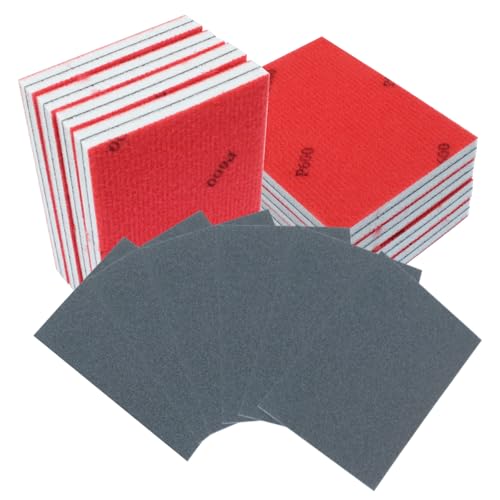
Performance and design: 600 Grit sponges, 4″ x 3″ with ergonomic flocking and Velcro-backed compatibility for various sanding tools. Double-sided sanding for flexible use on curves, edges, and intricate surfaces. Best for intermediate sanding and surface prep before fine finishes. Caution: Velcro compatibility may vary with certain tool brands; test fit before heavy use.
Buying Guide
What grit is right for your project? For smoothing between coats or fine prep, 600 grit provides a balanced finish. Consider sponge softness, density, and whether you’ll sand wet or dry.
What surface will you sand? Wood, metal, drywall, and furniture each respond differently to abrasive density. Flexible sponges help reach curves, while firmer blocks resist gouging on hard materials.
How important is comfort and control? Look for a cushioned sponge, a secure grip, and ergonomic shapes to reduce hand fatigue during long sessions.
How many pieces do you need? Sets with multiple blocks in 600 grit offer better value for different tasks and spare parts.
FAQ
- What is 600 grit best for? — It’s ideal for intermediate sanding, smoothing surfaces, and prepping for a final polish or paint.
- Can 600 grit be used for wet sanding? — Yes, many 600 grit blocks are designed for both wet and dry use to reduce dust and extend sponge life.
- Are sponge sanding blocks better than rigid blocks? — Sponges provide better contouring and vibration absorption, which helps on curved surfaces.
- How do I prevent gouging? — Use light to moderate pressure and keep the surface clean; rotate or move the block to avoid concentrated wear.
- When should I replace a sponge block? — If the abrasive surface wears unevenly, tears appear, or sanding becomes inefficient, replace it.