The best wall tiles for a hallway depend on whether you want a bold 3D feature wall or a clean, tile-inspired finish. The Art3d diamond panels suit dramatic accent walls, while the YU LI faux-brick panels are a peel-and-stick choice with a soft, raised texture. Commomy panels offer a faux-stone look, and two Art3d backsplash designs provide more orderly tile patterns. Compare coverage, material, texture, and adhesive requirements before choosing.
| Product | Best For | Coverage or Pack Size |
|---|---|---|
| Art3d Diamond 3D Panels | Geometric feature walls | 33 panels; 32 sq. ft. |
| YU LI Faux-Brick Foam Panels | Soft, raised brick effect | 20 panels |
| Art3d White Subway Tiles | Simple, classic tile look | 10 sheets; 12 x 12 inches each |
| Commomy Faux-Stone Panels | Lightweight stone-style accents | 10 panels; 9.7 sq. ft. |
| Art3d Beige-and-White Linear Tiles | Subtle linear pattern | 10 sheets; 12 x 12 inches each |
Art3d Diamond 3D Wall Panels

Best for: A hallway accent wall with a bold geometric design. These 12-by-12-inch PVC panels have a diamond pattern with a one-inch raised surface, giving the wall more depth than a flat tile-style covering.
The pack contains 33 panels and is listed to cover 32 square feet. The manufacturer describes the panels as thin and lightweight for DIY installation, and states that the PVC material is waterproof and fire-resistant. The black finish may suit a high-contrast design or a feature area near an entry.
Why it was selected: It combines a clearly defined 3D pattern with a stated coverage area, making it easier to compare against the size of a hallway wall. It is better for buyers seeking decorative wall panels than for someone who wants a traditional flat tile appearance.
Limitation: The pack covers 32 square feet, so measure the intended wall and calculate how many packs may be needed before ordering. The raised diamond design is visually prominent and may not suit a restrained, low-pattern look.
YU LI Peel-And-Stick Faux-Brick Panels

Best for: A hallway where a soft, raised faux-brick texture is preferred. These panels are made from PE foam and are 7 millimeters thick. The listed features describe them as textured, flexible, and designed with a 3D brick effect.
The 20-piece set uses a peel-and-stick backing for DIY application. The manufacturer says the panels have a waterproof, dustproof surface that is easy to clean, and describes them as anti-collision and sound insulating. Listed uses include interior walls and stairs, which makes the product relevant to hallway decorating.
Why it was selected: It offers a brick-inspired alternative to rigid-looking tile patterns and is described as simple to apply without specialized experience. Choose it if you want a textured wall treatment and prefer the convenience of peel-and-stick installation.
Limitation: The provided product details do not state the coverage area for the 20 panels. Measure the wall and verify the panel dimensions and coverage on the product listing before estimating how many sets you need. The foam construction also differs from a hard tile surface.
Art3d White Peel-And-Stick Subway Tiles
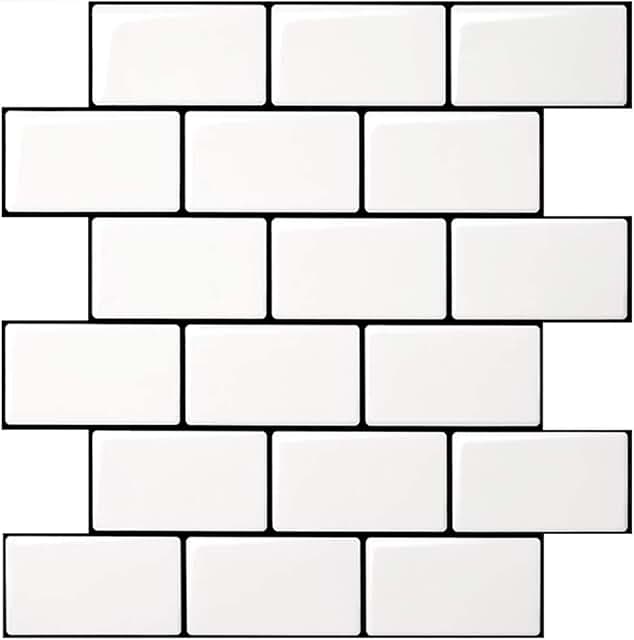
Best for: A hallway that calls for a clean, familiar subway-tile pattern rather than a sculpted 3D surface. The white finish and 12-by-12-inch sheets offer a more regular visual effect than the diamond, brick, or faux-stone panels in this list.
This 10-sheet design is described as a thicker version of peel-and-stick backsplash tile. Each sheet is 2 to 2.5 millimeters thick, and the manufacturer says it is two to three times thicker than ordinary peel-and-stick tile. The stated backing adhesive is three times stronger than ordinary vinyl backsplash tile and is intended for smooth, clean surfaces and lightly textured walls.
Why it was selected: It is a better fit for buyers who want a simple, bright tile-inspired finish and value the stated thickness and adhesive details. The product description also identifies a PU gel top surface and PET backing.
Limitation: The listed application guidance calls for a smooth, clean surface or a lightly textured wall. Check the hallway wall condition before choosing it; the product details do not establish suitability for heavily textured or damaged surfaces.
Commomy Faux-Stone Peel-And-Stick Panels

Best for: A hallway feature section with a stone-inspired texture and a lightweight panel format. The panels are made of PVC and are described as ultralight, flexible, and easy to cut for DIY projects.
The package contains 10 panels measuring 11.8 by 11.8 inches, with stated coverage of 9.7 square feet. The product description positions them as a way to update old, flawed, or graffitied walls and describes the textured appearance as faux stone. This makes them a useful option to compare when a natural-looking pattern is more appealing than subway lines or geometric shapes.
Why it was selected: It provides a specific coverage figure, a flexible PVC construction, and a stone-look design. Choose this option if you want a lightweight decorative covering that can be cut as part of a DIY project.
Limitation: Ten panels cover 9.7 square feet, which is less area than the Art3d diamond pack. Calculate the wall area first; a larger hallway wall may require multiple packs.
Art3d Beige-And-White Linear Tiles

Best for: Buyers who want a patterned but relatively orderly hallway wall. The beige-and-white linear design offers a different look from solid white subway sheets, black diamond panels, and faux-brick or stone textures.
The pack contains 10 sheets measuring 12 by 12 inches. The tiles are listed as 0.08 inches thick, with the manufacturer describing them as two to three times sturdier than standard peel-and-stick tiles and resistant to warping. They use a peel-and-stick backing with premium adhesive, which the product description says is intended to provide a secure bond.
Why it was selected: It is a practical comparison for shoppers choosing between a neutral linear pattern and a plain subway style. The listed thickness and warp-resistance claims may be useful considerations when comparing the product with thinner peel-and-stick options.
Limitation: The product details do not provide a total square-foot coverage figure. Confirm the number of usable sheets and plan the layout before buying, especially if the hallway has doors, corners, or narrow wall sections.
Buying Guide: How To Choose Hallway Wall Tiles
What style do you want the hallway to have?
Start with the visual effect you want. Flat, regular tile patterns such as white subway or beige-and-white linear designs can create a more ordered look. Raised panels add depth and draw attention to the wall. The diamond panels create a geometric statement, while faux-brick and faux-stone options suggest masonry textures.
Consider how much of the hallway you plan to cover. A strong 3D pattern may work well on one accent wall, while a simpler pattern can be easier to use across a longer stretch. These are design considerations rather than guarantees about how any specific hallway will appear; use product images and sample planning to assess the pattern at your intended scale.
How much wall area do you need to cover?
Measure the height and length of each wall section you intend to cover, then calculate its area. Subtract openings such as doors if you want a closer estimate. Compare that number with the stated product coverage: Art3d’s diamond pack lists 32 square feet, and Commomy lists 9.7 square feet for 10 panels. The YU LI and Art3d linear product details supplied here do not state total coverage, so check their listings for complete dimensions.
Allow for cuts and layout adjustments when planning. A hallway with several doors, corners, or narrow sections can require a different quantity than a simple rectangle of the same total area. Do not assume that a pack’s piece count alone indicates how much wall it will cover.
Will the adhesive suit your wall surface?
Peel-and-stick products depend on the wall surface and preparation. The Art3d white subway tile description specifically calls for smooth, clean surfaces or lightly textured walls. For other products, the provided features describe peel-and-stick application but do not give the same surface guidance. Check each listing for wall-preparation instructions and suitability before installation.
Inspect the hallway wall for loose paint, dust, uneven areas, or existing damage. Follow the selected product’s instructions rather than assuming that one adhesive method works on every surface. If the wall is heavily textured or has an uncertain finish, verify the requirements with the manufacturer before committing to a full installation.
Should you choose foam, PVC, or a tile-style sheet?
Material affects the product’s feel and the kind of finish it offers. The YU LI faux-brick product is PE foam and is described as soft and 7 millimeters thick. The Art3d diamond panels and Commomy faux-stone panels are PVC. The Art3d subway product is described with a PU gel top surface and PET backing. The linear Art3d product is described by its thickness and adhesive but does not specify its material in the supplied details.
These products are decorative wall coverings, and the product information does not establish that they are equivalent to ceramic or stone tile. Choose based on the listed material, surface appearance, and installation instructions. If you need a particular performance characteristic, verify it on the product page instead of inferring it from a tile-like appearance.
How important are texture and cleaning?
Raised surfaces create more visible depth but can have a different maintenance profile from flat sheets. The YU LI product specifically describes its surface as waterproof and dustproof and says it is easy to clean. The Art3d diamond product is described as waterproof. The other provided product details focus mainly on appearance, adhesion, material, or installation and do not specify equivalent cleaning claims.
For an entry hallway that sees frequent use, check the product’s care instructions and surface limitations. Do not assume that a waterproof claim means a product is appropriate for every exposure or cleaning method; follow the instructions for the exact panel or sheet you select.
What should you compare before checkout?
- Coverage: Compare square-foot coverage where available, not just pack size.
- Dimensions: Check sheet or panel measurements and account for cuts.
- Surface pattern: Decide whether a flat, linear, brick, stone, or geometric finish fits the hallway.
- Material: Compare the listed PVC, PE foam, PU gel, or PET construction.
- Adhesion guidance: Confirm whether your wall finish meets the product’s stated requirements.
- Installation details: Review the listing for preparation, trimming, and application instructions.
- Claims that matter to you: Verify waterproofing, cleaning, or other performance information on the exact product listing.
Frequently Asked Questions
Are peel-and-stick wall tiles a good choice for a hallway?
They can be an option for a decorative hallway update when the product’s surface requirements match the wall. Compare the material, adhesive instructions, coverage, and intended appearance before choosing. The supplied products include both flat tile-style sheets and raised decorative panels.
Which option has the largest stated coverage?
The Art3d diamond panels list coverage of 32 square feet per 33-panel pack. Commomy lists 9.7 square feet for 10 faux-stone panels. The supplied details do not give a total coverage figure for every product, so verify those listings before calculating quantities.
Which hallway wall covering has a 3D effect?
The Art3d diamond panels, YU LI faux-brick panels, and Commomy faux-stone panels are described with raised or 3D textures. Their patterns and materials differ: PVC for the Art3d and Commomy panels, and PE foam for the YU LI panels.
Can peel-and-stick tiles be applied to textured walls?
It depends on the product and the degree of texture. The Art3d white subway tile description says it can adhere to smooth, clean surfaces and lightly textured walls. Check the instructions for other products because their supplied details do not state the same surface limits.
Are these products the same as ceramic wall tile?
No. The products listed here are described as PVC panels, PE foam panels, or peel-and-stick tile-style sheets with specified synthetic surface materials. Their tile-like appearance does not establish that they are ceramic or stone tile.
How do I estimate how many packs to buy?
Measure the wall sections, calculate the area, and compare it with the product’s stated coverage. Account for openings and cuts, then check the listing for exact dimensions and installation guidance. Where coverage is not provided in the product details, confirm it before ordering.


