The best clear mixing glaze depends on your paint and project: Amy Howard Glazed Over suits decorative finishes on varied surfaces, while GOLDEN and Liquitex options are made for adjusting acrylic paint. For miniatures and scale models, Vallejo offers a smaller, controlled-application medium. Compare the product’s intended use, finish, working time, and surface before choosing.
| Product | Best for | Key distinction |
|---|---|---|
| AMY HOWARD AT HOME Glazed Over | Decorative faux finishes | Mixes with color and lists several surface types |
| GOLDEN Acrylic Glazing Liquid, Satin | Acrylic projects needing a satin medium | 32-ounce satin glazing liquid |
| GOLDEN Acrylic Glazing Liquid, Gloss | Blending and translucent acrylic layers | Slow-drying extender for acrylic colors |
| Liquitex Professional Glazing Medium | Rapid layering and color depth | Dries quickly and lowers paint viscosity |
| Vallejo Glaze Medium | Miniatures and scale models | Slow-drying medium for fine, controlled layers |
AMY HOWARD AT HOME Glazed Over

AMY HOWARD AT HOME Glazed Over is a water-based clear glazing medium intended for faux painting and custom finishes. The product information lists use on wood, metal, melamine, laminate, fabric, canvas, and walls, among other surfaces. It can be applied by itself for subtle shine or combined with color to make a tinted glaze.
- Best for: Decorative projects where the painter wants a colored glaze or antiquing effect across different listed surfaces.
- Why it stands out: The product description names example glaze colors such as gray, black, walnut, copper, whitewash, and aqua, and identifies cabinet and artist glazing uses.
- Choose this if: You want a general-purpose faux-finish medium rather than a product described specifically for acrylic-paint blending.
- Limitation: The supplied product details do not specify a drying time or a precise final gloss level. Check the label and test the finish on a sample surface.
GOLDEN Acrylic Glazing Liquid, Satin

This 32-ounce GOLDEN glazing liquid is identified as an acrylic medium with a satin finish. Its listed product details emphasize quality but provide limited technical information about working time, mixing ratios, or application surfaces. That makes the stated finish and larger bottle size the clearest selection points from the available information.
- Best for: Acrylic users who specifically want a satin glazing liquid in a larger bottle.
- Why it was selected: It is directly identified as an acrylic glazing liquid, making it relevant to painters seeking a clear medium to use with acrylic color.
- Better for: Projects where satin is preferred over the gloss finish listed for the separate GOLDEN gloss product.
- Limitation: The supplied details do not explain drying behavior or the product’s exact effect on transparency. Review manufacturer directions before mixing it into a large batch.
GOLDEN Acrylic Glazing Liquid, Gloss

GOLDEN Acrylic Glazing Liquid Gloss is described as a slow-drying extender for acrylic colors. It increases translucency and working time, which supports blending and glazing techniques. The extra working time can be useful when a painter needs more time to adjust or blend an acrylic layer before it dries.
- Best for: Acrylic painters who want a gloss glazing medium and additional time for blending.
- Why it stands out: The listed features directly connect the medium with increased translucency, extended working time, and glazing acrylic paint.
- Choose this if: Your technique benefits from slower drying and you want to adjust color translucency.
- Limitation: Its slow-drying feature may be a poor fit when quick layering or fast project turnaround is the priority. The provided details do not state a specific drying time.
Liquitex Professional Glazing Medium
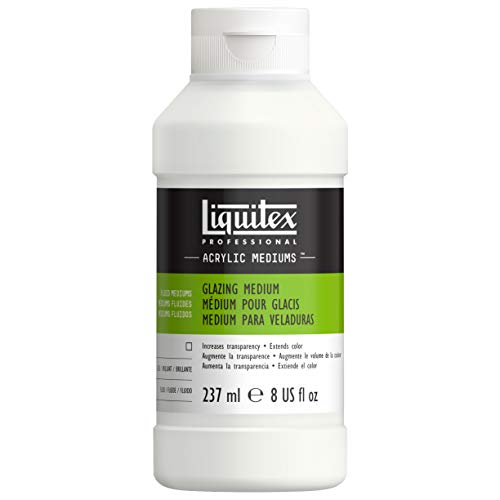
Liquitex Professional Glazing Medium is an 8-ounce fluid medium for acrylic paint. Its listed features include increased color depth, quick drying for rapid layering, lower viscosity, and reduced brush strokes. The product is described as producing jewel-like glazes and drying to a water-resistant, non-yellowing surface.
- Best for: Acrylic painters who want to build translucent layers relatively quickly or improve paint flow.
- Why it was selected: Its stated properties address several common glazing needs: color depth, leveling, reduced brush marks, and faster layering.
- Better for: Artists who want quicker successive layers than a slow-drying glaze is designed to provide.
- Limitation: The product’s quick-drying feature may leave less time for extended wet blending than a slow-drying medium. It is an 8-ounce bottle, so consider project volume when selecting a size.
Vallejo Glaze Medium for Models

Vallejo Glaze Medium is a transparent, slow-drying acrylic medium in a 60-milliliter bottle. It is aimed at miniatures, figures, dioramas, and scale models. Its product details describe thin, subtle layers that can change color intensity and nuance while preserving detail, with application by brush or airbrush.
- Best for: Model painters who need controlled, translucent layers on small, detailed subjects.
- Why it stands out: The features specifically mention precision, delayed drying, pigment effects, and work on miniatures and scale models.
- Choose this if: You want to adjust a color’s intensity without obscuring fine details and need a medium designed for controlled application.
- Limitation: Its 60-milliliter size and modeling focus may make it less convenient for large decorative or wall projects. The slow-drying formula is not the best match for fast layering.
Buying Guide: How to Choose a Clear Mixing Glaze
What kind of paint and project are you working on?
Start by matching the medium to the paint and technique. The GOLDEN and Liquitex products are described as acrylic glazing liquids or mediums. Vallejo is an acrylic medium with a stated focus on models and figures. AMY HOWARD AT HOME Glazed Over is presented as a water-based faux-finish glaze for decorative projects and a range of listed surfaces. A medium’s intended role matters: a decorative finishing glaze and an artist’s acrylic mixing medium are not automatically interchangeable.
Read the product label for paint compatibility and surface preparation. If the label does not answer a key question, test the medium with the chosen paint on a small sample before applying it to the finished work. This is especially useful when the surface is unusual, the paint is from another product line, or the final appearance is important.
Do you need more time to blend or faster layers?
Working time is a major difference among these choices. GOLDEN Gloss and Vallejo are described as slow-drying, which can suit techniques that need delayed drying or more time to work a glaze. Liquitex Professional is described as quick-drying for rapid layering. Choose according to the process: extended blending and quick successive layers are different needs.
The available descriptions do not provide exact drying times or a universal mixing ratio. Temperature, surface, layer thickness, and application conditions can affect a project, so follow the product directions rather than assuming all clear mediums behave alike.
Which finish should you choose?
The satin GOLDEN product explicitly identifies a satin finish, while GOLDEN Gloss identifies a gloss product. AMY HOWARD AT HOME says applying its glaze on its own can add subtle shine, but the supplied information does not name a precise sheen. Vallejo says it can be used for matte and glossy finishes, depending on project needs. If sheen is a deciding factor, make a sample and let it dry before treating the result as final.
Also distinguish a mixing glaze from a thick topcoat. The products in this guide are selected for glazing or paint-medium use. A thick, glass-like coating may serve a different purpose and may not be the right medium to blend into paint.
How much medium do you need?
Consider the scale of the work as well as the application method. The listed package sizes range from Vallejo’s 60-milliliter bottle and Liquitex’s 8-ounce bottle to the 32-ounce AMY HOWARD and GOLDEN satin products. A smaller container may be practical for detailed model work or occasional use; a larger bottle may suit repeated or larger decorative projects. The product data does not establish coverage, so do not estimate project yield from container size alone.
How should you compare products before mixing?
- For decorative faux finishes: Consider AMY HOWARD AT HOME Glazed Over, which lists a variety of surfaces and tinted-glaze applications.
- For a satin acrylic glazing liquid: Consider GOLDEN Acrylic Glazing Liquid, Satin.
- For slow acrylic blending: Consider GOLDEN Gloss, which is described as a slow-drying extender.
- For faster acrylic layering: Consider Liquitex Professional, described as quick-drying and suitable for rapid layering.
- For small-scale model effects: Consider Vallejo, which is designed for controlled, subtle layers on figures and models.
Before starting, check whether the medium changes the paint’s transparency, flow, sheen, or drying behavior in the way your project requires. Mix a small amount first, apply it to a test area, and allow it to dry according to the label. This helps identify an unsuitable finish or application behavior before it affects a larger piece.
Frequently Asked Questions
What does a clear mixing glaze do to paint?
A clear mixing glaze is used with paint to create a more translucent layer or modify how the color behaves. The exact effects vary by product; listed examples include increased translucency, longer working time, changes in color depth, and improved flow.
Can I use any clear glaze with acrylic paint?
No. Check the product’s stated compatibility and directions. The GOLDEN and Liquitex products here are identified as acrylic mediums, and Vallejo is described as an acrylic medium. AMY HOWARD AT HOME Glazed Over is presented as a water-based faux-finish glaze, so verify its instructions for your specific paint and application.
Which glaze is better for blending acrylic paint?
GOLDEN Acrylic Glazing Liquid Gloss is described as slow-drying and as increasing working time for blending. That makes it a relevant choice when the painter wants more time to work with acrylic color.
Which product is better for rapid layering?
Liquitex Professional Glazing Medium is described as drying quickly for rapid layering. It is a better fit than a slow-drying option when the goal is to build successive layers sooner, subject to the label directions and project conditions.
Can a glaze be applied without mixing it with paint?
AMY HOWARD AT HOME Glazed Over is described as usable on its own to enhance depth and add subtle shine. For the other products, follow their directions; the provided details focus primarily on use as paint mediums.
Should I test a glaze before using it on my project?
Yes. Test the chosen medium with the intended paint and surface, then let the sample dry. This helps you check the result’s transparency, sheen, and working behavior before applying it to the finished piece.