Chalk markers can write on wood, but the result depends on the surface: sealed, smooth wood is more likely to accept a crisp line, while unfinished or rough wood can absorb ink and make it difficult to erase. The Chalk Ink marker is the closest match for temporary liquid-chalk lettering; paint markers and lumber crayons are better when you want a more durable mark. For repeatable chalk writing, use a chalkboard-finish surface such as the reusable mini boards below.
| Product | Best for | Mark type |
|---|---|---|
| Chalk Ink Easy Writer | Fine liquid-chalk lettering | Liquid chalk |
| Artsunlvy White Paint Pens | Opaque, lasting marks | Oil-based paint |
| ARTISTRO Acrylic Markers | Detailed craft designs | Water-based acrylic |
| Trustic Lumber Crayons | Rough-surface work marks | Wax crayon |
| DSTELIN Mini Chalkboards | Reusable chalkboard-style signs | Chalkboard surface |
Chalk Ink Easy Writer Fine Tip Marker

Best for: Small lettering and fine details on a smooth, prepared surface. Its 1 mm tip is designed for narrow lines, intricate work, and compact text. The brand describes it as a liquid-chalk marker for multiple surfaces, and the product title includes wood among the intended surfaces.
This is the most direct fit for someone searching for a chalk marker rather than a paint pen or wax crayon. It is described as quick-drying and smudge-free, with an easy-wipe formula for chalkboards, glass, metal, and plastic. Those cleaning claims do not establish that it will erase cleanly from every type of wood.
- Choose this if you want a fine white liquid-chalk line and are working on a surface you can test first.
- Limitation: The stated easy-clean surfaces do not include wood in the cleaning details. Unsealed or absorbent wood may retain pigment.
Artsunlvy White Oil-Based Paint Pens

Best for: Bright, permanent-looking white marks on wood and other craft materials. This two-pack uses medium-point oil-based paint ink. The listed features describe the ink as opaque, waterproof, fade-resistant, and fast-drying, with a glossy finish on light and dark surfaces.
These markers are not chalk markers. They are a better choice when the goal is visible lettering or decoration that is intended to last, rather than writing that can be wiped away like chalk. The listed surface range includes wood, glass, metal, rubber, stone, plastic, paper, vinyl, leather, and canvas.
- Choose this if durability and white coverage matter more than erasability.
- Limitation: The permanent, waterproof ink is not appropriate when you need a temporary, easily removable message. Test on a scrap first if appearance or ink behavior is critical.
ARTISTRO Dual-Tip Acrylic Markers

Best for: Wood crafts that need both fine outlines and broader strokes. Each marker has a 1 mm fine tip and a brush tip that makes strokes from 1 to 5 mm. The water-based acrylic paint is described as ready to use, quick-drying, and suitable for wood and other craft surfaces.
These are acrylic paint markers, not liquid-chalk pens. Their two-tip design makes them useful for lettering, illustration, and filling in small areas without switching tools. The listed pack contains five black markers, so it is suited to monochrome designs rather than multicolor artwork.
- Choose this if you want controlled craft marks on wood and need both narrow and wider strokes.
- Limitation: The product notes that dark or highly absorbent materials may need multiple layers. Acrylic paint should not be assumed to erase like chalk.
Trustic Red Lumber Crayons
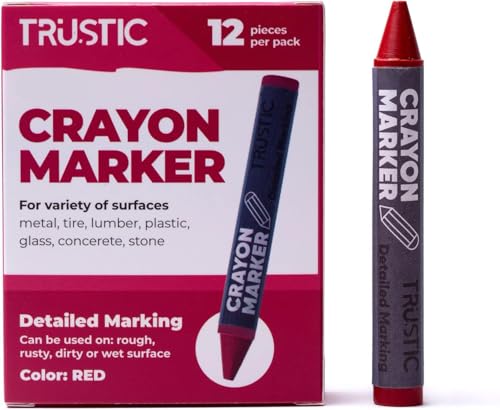
Best for: High-visibility work marks on wood, especially when a conventional fine-tip pen is not the right tool. This pack contains 12 red wax crayons, each listed as 4 by 1/2 inches. The manufacturer describes them for woodworking, construction, repairs, workshops, and other craft or home projects.
A lumber crayon is different from a liquid-chalk marker. Its wax format is intended for practical marking on rough or dark surfaces, and the listed materials include wood, metal, glass, tires, plastic, and concrete. That makes it relevant to users who mean “chalk marking tool” broadly, even though it will not produce the same smooth ink line as a chalk pen.
- Choose this if you need bold, visible layout or identification marks on wood.
- Limitation: It is red wax, not erasable white liquid chalk; the product details do not specify clean removal from wood.
DSTELIN Reusable Mini Chalkboards

Best for: Small reusable signs when you want a wood-based item with a dedicated blackboard writing face. The pack includes 10 mini chalkboards with removable, fold-flat stands. Each board head measures 4 by 3 inches, according to the product details.
These boards are not markers; they are an alternative for people who want to write and rewrite messages on a small display. A chalkboard surface is more suitable for repeatable chalk-style use than untreated wood because the writing face is intended to be erasable. The listing describes the boards as reusable and erasable after wiping with an eraser.
- Choose this if you are making table signs, event labels, or small message boards rather than writing directly on furniture or raw lumber.
- Limitation: The 4-by-3-inch writing area is small, so these are not suited to large signs or broad wood surfaces.
Buying Guide: Choosing Chalk Markers For Wood
Will chalk markers erase from wood?
Not always. Wood is porous, and unfinished grain can absorb liquid pigment. When ink enters the grain, wiping the surface may not remove the mark completely. A smooth sealed coating may make removal easier, but the result depends on the finish, the marker formula, and how long the ink stays in place. The product descriptions do not promise erasability from every kind of wood.
Before lettering a finished object, test the marker in a hidden spot or on a scrap with the same finish. Let the mark dry for the period you expect it to remain, then try the removal method recommended by the marker maker. Avoid assuming that “chalk” in a product name means it will clean off raw wood.
What is the difference between chalk, paint, acrylic, and lumber crayons?
| Marking tool | Typical use | Key trade-off |
|---|---|---|
| Liquid-chalk marker | Clean-looking lettering and temporary displays | May stain or resist removal on porous wood |
| Oil-based paint marker | Opaque, lasting marks | Not intended for easy erasing |
| Acrylic marker | Craft designs and varied line widths | May need extra layers on absorbent or dark surfaces |
| Wax lumber crayon | Visible work marks on rough materials | Produces a wax mark rather than a fine ink line |
For temporary chalk-style signs, choose a board with a chalkboard writing face. For permanent decoration, an acrylic or paint marker may be more appropriate. For construction or workshop marks, a lumber crayon may be easier to use on rough wood than a fine-point pen.
Is the wood sealed, painted, or unfinished?
Surface preparation affects line quality and cleanup. A smooth, coated surface can provide a more even writing area, while rough grain may interrupt a fine line. Unfinished wood is especially likely to absorb liquid ink. Painted wood also varies: a chalkboard coating is different from ordinary paint, and neither surface should be assumed to work identically with every marker.
Use the product’s stated surface guidance as a starting point, not a guarantee. If the wood is valuable, porous, or difficult to replace, do not test a new marker on the visible face.
What tip size and color do you need?
A 1 mm fine tip, such as the Chalk Ink Easy Writer’s listed tip, is better suited to small text and detail work. A brush tip offers more flexibility for narrow lines and wider strokes, as with the ARTISTRO markers. For work marks on rough lumber, a wax crayon is a different format that favors bold visibility over fine detail.
White can stand out on dark wood, while red lumber crayons are intended for visible practical marking. Consider the background color and whether the mark should be decorative, easy to read from a distance, or suitable for later removal.
How can you reduce smudging and unwanted marks?
Follow the marker’s instructions for preparing and using the tip. Work on a dry, clean surface, and avoid touching fresh marks until they have dried. The listed products differ: Chalk Ink describes its marker as quick-drying, Artsunlvy describes its paint ink as drying within about a minute, and ARTISTRO describes its acrylic paint as quick-drying. Drying does not mean a mark is removable or fully protected from wear.
For reusable signs, use the mini chalkboards rather than applying liquid chalk directly to unfinished wood. For permanent designs, test color and line behavior before completing the whole project.
Frequently Asked Questions
Can I use a chalk marker on unfinished wood?
You can try one, but unfinished wood may absorb the ink and make the line uneven or difficult to erase. Test on scrap wood first. For a repeatable chalk surface, use a chalkboard-finish board instead.
Are chalk markers permanent on wood?
They are not guaranteed to be permanent or removable on all wood. Porosity, surface coating, ink formula, and time can affect cleanup. Check the marker instructions and test the exact surface before use.
What should I use for permanent white writing on wood?
The Artsunlvy product is an oil-based paint marker described as opaque, waterproof, and suitable for wood. It is a better fit for lasting marks than a temporary chalk effect, but it should not be selected when easy erasing is important.
What is best for a reusable wood sign?
A sign with a chalkboard writing face is the more practical choice for repeated chalk-style messages. The DSTELIN mini boards are small, reusable boards with removable stands; they are intended for compact labels and display signs.
Can a lumber crayon replace a chalk marker?
It can replace one for rough work marking, but it does not make the same kind of mark. The Trustic product is a red wax crayon for visible marks on wood and other materials, not a fine liquid-chalk pen.