The best paper drop cloth roll depends on the surface, coverage area, and type of work. For general renovation protection, TapeManBlue offers a 36-inch-wide, 69-pound rosin paper roll; Paclord is a wider-coverage option with stated tear resistance and a light moisture barrier; and IDL Packaging suits narrower spaces. Kraft paper rolls can work for light-duty covering and packing, but they are not described as purpose-made rosin floor protection.
| Product | Best For | Listed Roll Size |
|---|---|---|
| TapeManBlue Floor Protection Paper | General painting and renovation protection | 36 inches x 166 feet |
| Paclord Red Rosin Paper | High-traffic work areas | 36 inches x 166 feet |
| IDL Packaging Rosin Paper | Narrower floors, trim, and doors | 24 inches x 166 feet |
| Bryco Goods Kraft Paper | Moving, packing, and light covering | 36 inches x 100 feet |
| PerkHomy Kraft Paper | Crafting and general-purpose covering | 36 inches x 200 feet |
TapeManBlue Floor Protection Paper

TapeManBlue is a practical choice for people who need one roll for common painting, remodeling, moving, or construction tasks. The paper is 36 inches wide and 166 feet long, with a stated coverage area of 498 square feet. Its listed 69-pound paper weight is described as suitable for most construction applications.
The manufacturer says the brown rosin paper can cover floors, walls, doors, windows, and countertops. It is also described as resistant to paint seep-through and useful for helping protect surfaces from scratches, spills, dust, grease, mud, and moisture. The listing identifies it as 100% recycled and made in the USA.
- Best for: Homeowners and contractors seeking broad, general-purpose surface coverage.
- Why it stands out: Its 36-inch width and 498-square-foot coverage suit larger areas, while the stated paper weight is aimed at construction use.
- Limitation: The roll is 36 inches wide, so it may require more overlapping in narrow spaces than a 24-inch roll.
Paclord Red Rosin Paper

Paclord is the better fit when the product description’s emphasis on tear resistance and foot traffic matches the job. This red rosin paper roll measures 36 inches by 166 feet. The listing states that it is 7 mil thick and covers 664 square feet, making it a high-coverage option among the listed rolls.
According to the product information, the paper is designed to help shield hardwood floors, tile, and other surfaces from paint drips, debris, and foot traffic. It is described as having a light moisture barrier for water-based paint and as resisting tears under foot traffic. The listing also says it stays in place without sliding and is made in the USA.
- Best for: Renovation or painting projects where the stated tear resistance and non-slip grip are priorities.
- Why it stands out: It combines a 36-inch width with the largest stated coverage among these paper floor-protection rolls.
- Limitation: Its moisture protection is described as light; do not assume it will contain heavy spills or standing liquid.
IDL Packaging Rosin Paper

IDL Packaging is suited to buyers who want a narrower paper roll for floors, trim, windows, or doors. It measures 24 inches by 166 feet and provides 332 square feet of stated coverage. Compared with the 36-inch rolls, its narrower format may be easier to position along edges or in more confined work areas.
The manufacturer lists the paper for protecting surfaces from water-based materials such as latex paint, plaster, and drywall. It is described as helping repel moisture, dirt, and debris during painting, remodeling, and construction. The listing also says it can be torn to the desired length without scissors, which can make setup more convenient on a job site.
- Best for: People covering narrow areas, trim, doors, or smaller sections of a room.
- Why it stands out: Its 24-inch width offers a more compact alternative to full-width floor-covering rolls.
- Limitation: The 332-square-foot coverage is less than the listed coverage of the larger rolls, so a broad floor may need more material.
Bryco Goods Brown Kraft Paper
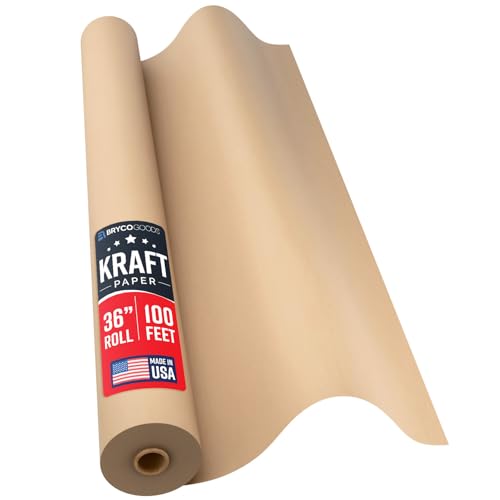
Bryco Goods is a multi-use kraft paper roll rather than a product specifically described as rosin floor-protection paper. Its 36-inch width and 100-foot length make it an option for packing, moving, gift wrapping, crafts, table covering, or light-duty surface covering. The listing describes the construction as thick and durable for parcel and shipping uses.
Choose this roll if the project calls for general-purpose brown paper that can serve several household or packing tasks. It may be useful for temporary covering where the job does not require the moisture or floor-protection claims associated with rosin paper.
- Best for: Moving, wrapping, packing, crafts, and light-duty covering.
- Why it stands out: Its stated uses extend beyond painting, so it can serve varied household and shipping needs.
- Limitation: The product information does not specify rosin-paper construction, floor-duty thickness, or paint seep-through protection.
PerkHomy Brown Kraft Paper Roll

PerkHomy is a long kraft paper roll for crafting, wrapping, and general covering. The listed size is 36 inches by 200 feet. Its product information describes the paper as uncoated, unwaxed, and recyclable, with uses including drawing, painting, origami, bulletin boards, gift wrapping, and parcel packing.
This paper is best considered when versatility and a long roll matter more than specialized floor protection. Its uncoated design is described as breathable, which the listing says helps prevent moisture condensation. That description does not establish that the paper will stop paint or liquid from reaching a floor beneath it.
- Best for: Craft rooms, schools, studios, wrapping, and light general-purpose covering.
- Why it stands out: Its 200-foot length and varied listed uses make it adaptable for projects beyond painting.
- Limitation: The product is presented as kraft paper, not as a dedicated rosin floor-protection roll.
Buying Guide: How To Choose A Paper Drop Cloth Roll
Should You Choose Rosin Paper Or Kraft Paper?
For painting, remodeling, or construction, start by looking for paper specifically described as rosin floor-protection or masking paper. The products in that category list surface-protection uses and, in some cases, details such as paper weight, moisture resistance, or tear resistance. Kraft paper is generally a more flexible choice for wrapping, crafts, and light covering, but those uses do not establish the same level of floor protection.
Check the product description for the materials and hazards you expect. A roll described as suitable for water-based paint or plaster may be appropriate for those stated uses, but it should not automatically be treated as protection against heavy liquid spills, solvents, or sharp debris. For valuable flooring or a high-risk work area, use the protection method specified for the material and task.
What Roll Width And Length Do You Need?
Width affects how quickly you can cover an open floor and how easily you can work around obstacles. A 36-inch roll covers a broader strip with each pass. A 24-inch roll can be easier to place along trim, narrow hallways, or smaller work areas. Measure the space and consider how much overlap you need between strips.
Length determines how much material is available before changing rolls. Compare the listed square footage when products provide it, but remember that coverage depends on overlaps, cuts, and the shape of the area. A larger stated coverage figure does not guarantee a perfect fit for every room layout.
How Much Durability Does The Job Require?
For areas with regular foot traffic, look for product details that directly address thickness, tear resistance, or surface grip. Paclord lists 7 mil thickness and tear resistance under foot traffic. TapeManBlue lists 69-pound paper weight and use in construction applications. These specifications use different terms, so avoid treating them as directly interchangeable without a clear comparison from the manufacturer.
For short, low-traffic tasks, a general-purpose roll may be sufficient if its listed use matches the job. For longer projects or active work zones, plan for seams, edges, and areas where paper could shift or tear. Secure the covering as appropriate for the surface, and follow the product instructions.
Does The Paper Need To Resist Moisture Or Paint?
Paper is not automatically waterproof. Some listed rosin products describe resistance to water-based paint or a light moisture barrier, but those claims have limits. Avoid leaving wet materials on paper or assuming it will contain a leak. If liquid exposure is likely, select a suitable protective layer for that specific risk and check whether it is safe for the floor underneath.
Also distinguish between masking paper and a drop cloth. Narrow masking paper is often used to protect edges and surfaces during finishing work, while a wide floor roll is more suitable for covering larger areas. Choose based on the surface, the work method, and the product’s stated application.
When Is A Plastic Drop Cloth A Better Choice?
Plastic sheeting can be useful when a buyer needs a quickly spread cover for furniture, carpets, or broad surfaces. The listed Axgatoxe product, for example, is a six-pack of 12-by-9-foot plastic sheets intended for furniture and surface coverage. Plastic is not paper, however, and may not provide the same handling or footing characteristics as a paper floor covering. Compare the material against the task rather than treating all drop cloths as interchangeable.
What Should You Check Before Buying?
- Confirm whether the roll is rosin floor-protection paper, masking paper, or general-purpose kraft paper.
- Compare width, length, and stated square-foot coverage against the area you need to cover.
- Look for specific claims about thickness, foot traffic, moisture, paint, and tear resistance.
- Check whether the listed use matches your paint or construction material.
- Plan for overlaps, corners, doorways, and any areas that need extra protection.
- Do not assume that paper is waterproof or suitable for every finish, spill, or worksite condition.
Frequently Asked Questions
What Is A Paper Drop Cloth Roll Used For?
A paper drop cloth roll is used to cover floors or other surfaces during tasks such as painting, remodeling, moving, or construction. The appropriate use depends on whether the product is rosin floor paper, masking paper, or general-purpose kraft paper.
Is Rosin Paper Better Than Kraft Paper For Painting?
Rosin paper is the more directly relevant choice when the product is specifically described for floor protection or painting. Kraft paper may suit light covering and crafts, but do not assume it provides the same paint or moisture protection unless the product states that use.
How Do I Calculate How Much Paper I Need?
Measure the surface area and compare it with the roll’s stated coverage. Allow extra material for overlaps, cuts, and irregular shapes. For example, a 36-inch-wide roll covers a wider strip per pass than a 24-inch roll, but layout and waste affect total coverage.
Can Paper Drop Cloths Protect Floors From Water?
Some products describe limited moisture resistance or protection from water-based materials, but paper should not be assumed to be waterproof. Check the exact product claims and use a different suitable barrier when the job involves substantial liquid exposure.
Can I Use A Kraft Paper Roll As A Painting Drop Cloth?
It may work for light, temporary covering if the product and project are suitable, but general-purpose kraft paper is not necessarily designed to stop paint or protect floors under heavy use. For active painting or renovation, consider paper specifically listed for floor protection.


