The best masking tape for sandblasting depends on the blast impact, the surface shape, and whether the job also involves heat or coating. FindTape PMB Blast Impact Tape is the most directly targeted option for blast protection and curved surfaces. Tesa 4434 is a sandblasting tape for protecting adjacent areas, while 3M Impact Stripping Tape 500 offers a thick, conformable backing. APT glass cloth tape suits applications that combine sandblasting with high-temperature masking, and High Temp Masking Supply PET tape is better for heat-sensitive coating work than for blast impact.
| Product | Best suited for | Notable listed feature |
|---|---|---|
| FindTape Intertape PMB | Blast impact and irregular surfaces | Flexible, rigid rubber construction |
| tesa 4434 | Sandblasting and adjacent-surface protection | Paper backing and natural rubber adhesive |
| 3M Impact Stripping Tape 500 | Blast-media protection and conformability | 36-mil backing |
| APT Glass Cloth Tape, 2-inch | High-temperature masking plus blasting | Clean removal at bake temperatures up to 260°C |
| High Temp Masking Supply PET Tape | Powder coating and other heat-related masking | Rated for heat up to 400°F |
FindTape Intertape PMB Blast Impact Tape
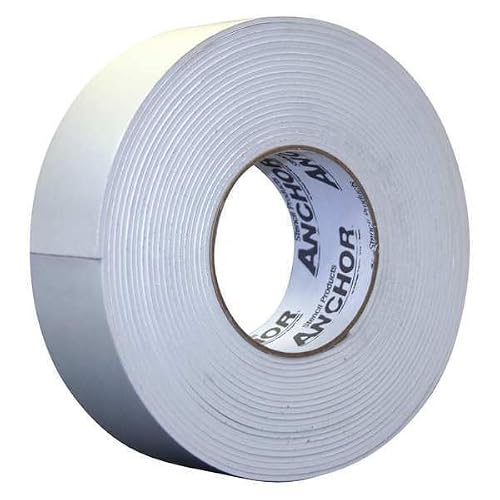
This 2-inch-wide, 30-foot roll is the most purpose-specific choice in this group for blast-impact masking. Its listed features describe use during dry strip paint removal and shot-peening, along with a flexible construction that can conform to irregular or curved surfaces.
The product information describes a rigid rubber construction intended to help keep small blast-media particles and foreign debris from reaching sensitive surfaces, components, and control systems. It also notes resistance to cracking and lifting. These details make it a strong candidate when the masking needs to protect shaped areas rather than only straight edges.
- Best for: Masking curved or irregular areas during dry stripping or shot-peening.
- Why it stands out: Its listed purpose and conformability directly address blast-impact protection.
- Consider: The supplied roll is 2 inches wide and 30 feet long, so check the required coverage before choosing it for a large job.
Choose this tape when impact protection and the ability to follow a non-flat surface matter most. Avoid assuming it is a high-temperature masking tape; the listed features do not provide a heat rating.
tesa 4434 Sandblasting Tape

tesa 4434 is explicitly identified as sandblasting tape and is described for protecting adjacent surfaces. The listed version has a smooth paper backing, natural rubber adhesive mass, a thickness of 670 micrometers, and a roll size of 10 meters by 50 millimeters.
The product information also lists excellent paint adhesion. That can be relevant when masking is part of a surface-preparation or finishing sequence, but the supplied details do not specify a temperature limit, exact blast-media types, or a maximum exposure duration. Those details should be checked against the job requirements rather than assumed.
- Best for: Users seeking a tape specifically described for sandblasting and adjacent-surface protection.
- Why it stands out: Its stated use, paper backing, and natural rubber adhesive are clearly identified.
- Consider: The listed roll is 50 millimeters wide; confirm that width and length suit the masking area.
Choose this option when the priority is a named sandblasting application and a smooth paper-backed tape. Compare the specified backing and thickness with the surface and process before use, especially if the job also includes high heat.
3M Impact Stripping Tape 500

3M Impact Stripping Tape 500 is a green, 2-inch-wide tape supplied as six 10-yard rolls per case. The listed thickness is 36 mil. Its backing is described as durable and intended to protect against a variety of blasting media, while the green color can make the tape more visible during removal.
The product is also described as the thinnest in its portfolio while providing outstanding conformability. The listing does not identify the portfolio’s other products, so the practical comparison here is based on its stated flexibility and 36-mil thickness—not on an unsupported comparison with other tapes in this article.
- Best for: Users who want a blast-media protection tape with a highly visible color and conformable backing.
- Why it stands out: Its features specifically mention blasting media, conformability, and easier visibility during removal.
- Consider: This listing is for a six-roll case, which may be more tape than a small, occasional job requires.
Choose this 3M option when visibility during removal and a multi-roll supply are useful. The supplied features do not state a heat rating or a specific sandblasting pressure range, so confirm process requirements independently.
APT Glass Cloth Tape, 2-Inch

This 2-inch-wide APT glass cloth tape is presented for powder coating and sandblasting, as well as Class H electrical insulation applications. The listed features describe a strong cloth backing with a total thickness of 7 mil and clean removal without residue after baking at temperatures up to 260°C.
The heat-related details may matter when a masking task combines blast preparation with a later high-temperature coating step. However, the supplied information does not give a blast-media rating, pressure limit, or detailed sandblasting performance data. Its high-temperature features should not be treated as proof of suitability for every abrasive-blasting setup.
- Best for: Work that calls for glass cloth backing and high-temperature masking, with sandblasting also listed as an intended application.
- Why it stands out: It combines a strong backing with a stated clean-removal temperature of up to 260°C.
- Consider: Verify that its width and stated performance match the specific blast process and surface.
Choose this tape if heat resistance is a key part of the job and the 2-inch width is appropriate. For a blast-only task, compare it with products whose supplied descriptions focus more directly on impact or blasting-media protection.
High Temp Masking Supply PET Tape

This 1-inch-wide green polyester PET tape comes in a 72-yard roll and is rated in the product description for temperatures up to 400°F. Its listed uses include powder coating, ceramic coating, plating, and anodizing. A silicone adhesive is described as bonding to clean, smooth surfaces and removing without sticky residue.
The 2.0-mil polyester carrier and 1.5-mil adhesive are described as helping create sharp coating borders and prevent bleed-through. These are coating and heat-masking features rather than direct evidence of blast-impact resistance. For abrasive blasting, use it only when its backing and performance are confirmed for the specific media and process.
- Best for: Coating work where temperature resistance, clean removal, and crisp edges are priorities.
- Why it stands out: It has a stated 400°F heat rating and silicone adhesive for clean removal from clean, smooth surfaces.
- Consider: The listing does not specifically describe impact or sandblasting-media protection.
Choose this product for heat-related masking rather than as the default blast tape. It is better suited to a coating-focused task than to a job where the main requirement is resisting abrasive impact.
Buying Guide: How to Choose Sandblasting Masking Tape
Is the main job blast protection or heat masking?
Start by identifying what the tape must withstand. For direct blast protection, look for product information that specifically mentions sandblasting, blast impact, or blasting media. FindTape PMB, tesa 4434, and 3M Impact Stripping Tape 500 have features that directly address those needs. For heat-related coating steps, APT glass cloth and High Temp Masking Supply PET tape list temperature performance, but their heat features do not establish a blast rating.
If the job includes both blasting and baking, assess each stage separately. Confirm that the tape is suitable for the abrasive process and for the later temperature exposure. A tape’s use in powder coating does not automatically mean it can protect a surface from every blasting method.
Does the surface have curves, recesses, or edges?
Surface shape affects how well masking can follow the workpiece. FindTape PMB is described as flexible and able to conform to irregular or curved surfaces. 3M Impact Stripping Tape 500 is also described as conformable. For a flat area or a straight boundary, width and clean application may be more important than flexibility.
Before masking an entire part, consider whether the tape can cover the intended shape without lifting or leaving exposed gaps. The supplied product details do not provide a universal application method, so follow the relevant manufacturer instructions for surface preparation and use.
How much coverage and what width do you need?
Compare roll width and length with the area to be protected. The options here include 1-inch and 2-inch widths, and different roll lengths or case quantities. A narrower roll can help with smaller boundaries, while a wider roll may cover larger areas with fewer strips. It is not automatically more effective against blast media; the tape’s stated purpose and the application conditions still matter.
For a one-off repair or a small part, check whether the package quantity is practical. The listed 3M case contains six rolls, while other options are described as a single roll or package. Select enough material for the task while allowing for seams and overlaps where the work instructions require them.
What backing and adhesive details matter?
Backing material influences how tape handles and what use the product description supports. The products listed here include rubber-based blast-impact construction, smooth paper backing, durable backing, glass cloth, and polyester film. Adhesive descriptions also vary: tesa lists natural rubber adhesive, while the high-temperature PET tape lists silicone adhesive for clean, smooth surfaces.
Do not assume that one backing or adhesive is best for every substrate. Surface condition, cleanliness, geometry, and the planned removal timing can all affect masking results. Check the product instructions and test a small, inconspicuous area when appropriate.
How should you compare temperature claims?
Only two products in this selection provide specific temperature information. APT lists clean removal at bake temperatures up to 260°C; High Temp Masking Supply lists resistance up to 400°F. Those values are product-specific and should not be transferred to the other tapes. Also check whether the process involves sustained heat, short exposure, or another condition not described in the supplied details.
What should you confirm before ordering?
- Whether the product is intended for sandblasting or only for coating and heat masking.
- The tape width, roll length, and package quantity.
- Whether the surface is flat, curved, irregular, clean, or smooth.
- Any required temperature performance and clean-removal conditions.
- Whether the manufacturer’s instructions cover the abrasive media and application conditions for the job.
Frequently Asked Questions
What tape is best for sandblasting?
Choose a tape whose product information specifically identifies sandblasting, blast impact, or blasting-media protection. In this selection, FindTape PMB, tesa 4434, and 3M Impact Stripping Tape 500 have the clearest blast-related descriptions. The best choice depends on surface shape, coverage needs, and process requirements.
Can regular masking tape be used for sandblasting?
Do not assume ordinary masking tape will withstand abrasive impact. Select a product described for sandblasting or blast-media protection, and confirm that its specifications match the job. The product details supplied for standard heat or coating tape do not by themselves demonstrate blast resistance.
Which option is best for curved surfaces?
FindTape PMB is described as flexible and able to conform to irregular and curved surfaces. 3M Impact Stripping Tape 500 is also described as conformable. Check the surface and application requirements before selecting either one.
Can high-temperature tape also protect against blasting?
Not necessarily. A temperature rating describes heat performance, not resistance to abrasive impact. APT glass cloth tape is listed for sandblasting and high-temperature masking, but its supplied details do not state a blast-media rating. The PET tape’s listed features focus on heat and coating work.
What is the difference between blast-impact tape and coating tape?
Blast-impact tape is described for protecting surfaces from blasting or impact-related media. Coating tape is commonly selected for masking edges, controlling coating boundaries, or withstanding heat during a finishing process. Check the product’s stated uses rather than relying on the word “masking” alone.


