The best solid color concrete sealer depends on whether you want an opaque, low-sheen coating or a textured resurfacing finish. Westcoat SC-10 is the closest match for a pigmented concrete topcoat: Concrete Gray and Arizona Tan are two color options. RockSolid is a tint-base option, while KILZ Over Armor is better suited to weathered surfaces that need a thicker, textured coating. Compare the finish and surface condition before choosing.
| Product | Best For | Finish or Feature |
|---|---|---|
| Westcoat SC-10 Concrete Gray | Cool-toned solid color coating | Low sheen, water-based acrylic |
| Westcoat SC-10 Arizona Tan | Warm-toned solid color coating | Low sheen, water-based acrylic |
| RockSolid Deep Tint Base | Buyers considering a tinted concrete stain | Durable bond; hot-tire and UV resistance |
| KILZ Over Armor | Weathered patios and damaged surfaces | Thick, textured solid coating |
| Shabebe Wet Look Sealer | Color enhancement rather than opaque coverage | Glossy, wet-look finish |
Westcoat SC-10 Concrete Gray

Best for: Buyers looking for a pigmented, low-sheen coating in a neutral gray. This Westcoat SC-10 product is a water-based acrylic topcoat identified as a solid color concrete sealer, making it the most direct match in this selection for someone seeking a colored coating rather than a clear, penetrating waterproofer.
The listed features include excellent hide and color retention, UV resistance, and resistance to chemicals, alkali, and moisture. The product is described as a flexible, wear-resistant coating with easy cleanup. Its low-sheen appearance can suit buyers who want color without a high-gloss wet look.
- Approximate coverage is 400 square feet on smooth surfaces.
- Approximate coverage is 125 to 300 square feet on rough surfaces.
- Coverage varies with surface texture, so estimate using the rougher-surface range when appropriate.
Why it was selected: It combines a stated solid-color purpose with a specific color, water-based formula, and clearly listed coverage ranges. Limitation: The supplied features do not specify application conditions or preparation steps, so check the product directions before use.
Westcoat SC-10 Arizona Tan
Best for: Buyers who want a warm tan tone in a low-sheen solid color coating. Like the Concrete Gray option, this is a pigmented, water-based acrylic topcoat. The primary difference between the two Westcoat picks is the listed color, so choose based on the look you want for the concrete.
Westcoat lists excellent hide and color retention, UV resistance, and resistance to chemicals, alkali, and moisture. The coating is described as flexible and wear-resistant. These characteristics may make it a relevant option for buyers comparing pigmented topcoats for a concrete surface, but the product details provided do not identify particular application locations or traffic levels.
- Approximate coverage: 400 square feet on smooth surfaces.
- Approximate coverage: 125 to 300 square feet on rough surfaces.
- Water-based formulation is described as easy to clean up.
Why it was selected: It offers the same solid-color coating category and listed performance features as the gray option in a warmer shade. Limitation: The final appearance depends on the actual surface and application; the supplied product information does not describe a sample-testing process.
RockSolid Deep Tint Base

Best for: Buyers comparing a tinted concrete stain or tint-base product with a solid pigmented topcoat. The product name identifies it as a deep tint base, but the supplied details do not state the finished color or explain tinting instructions. Confirm the intended tint and application system before choosing it for a specific color project.
The listed features say that it forms a durable bond to concrete and offers resistance to hot tires and UV exposure. It is also described as creating a protective barrier against weather and chemical damage. These features distinguish it from the Westcoat options, whose details identify a water-based acrylic topcoat and provide coverage estimates.
Why it was selected: It is a concrete-specific tint-base product with stated durability and protective features, making it a relevant alternative for buyers seeking a colored concrete treatment. Limitation: The supplied information does not give coverage, finish, tinting requirements, or whether the result is opaque. Do not assume it produces the same solid appearance as a pigmented topcoat.
KILZ Over Armor Textured Solid Coating
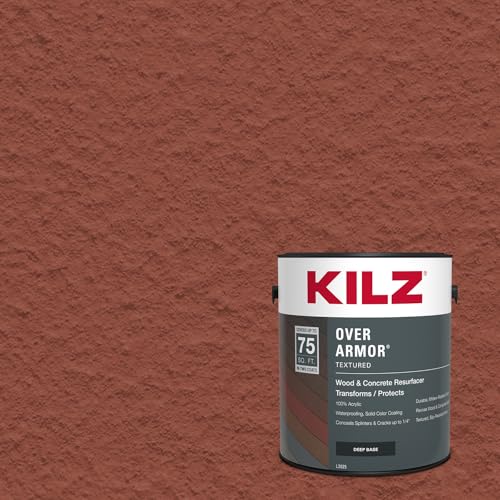
Best for: Buyers restoring weathered concrete patios, pool decks, sidewalks, or similar residential exterior surfaces where a thicker, textured finish is appropriate. This is a solid coating and resurfacer rather than a conventional thin sealer. Its Redwood color and texture make it a different choice from the low-sheen Westcoat topcoats.
KILZ describes the formula as thick and intended to restore worn wood and concrete. It can help conceal surface imperfections and fill cracks up to one-quarter inch, according to the listed product features. The product is also described for properly prepared decks, porches, boat docks, composite surfaces, concrete patios, pool decks, and sidewalks.
Why it was selected: It offers solid-color coverage while addressing surface wear and small cracks, which may be more useful than a standard sealer on damaged concrete. Limitation: Its textured resurfacing finish is not the best match for shoppers seeking a smooth, low-sheen topcoat. The product information specifies properly prepared surfaces.
Shabebe Wet Look Stone Sealer
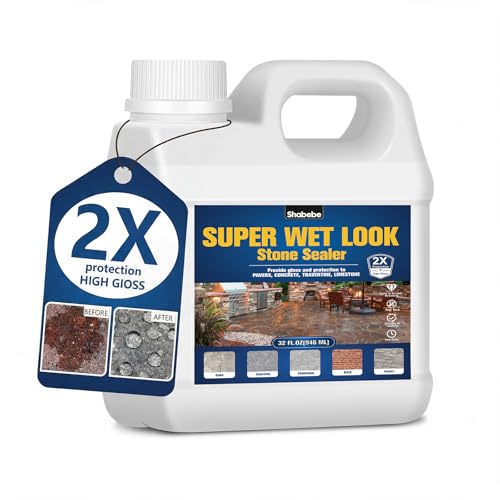
Best for: Buyers who want to deepen the color and add a glossy, wet-look appearance to concrete, pavers, or stone instead of applying an opaque solid color. The listed uses include exposed aggregate, stamped or colored surfaces, driveways, patios, bricks, and stone slabs.
Shabebe describes its water-based formula as providing a water-beading effect and protection against moisture. Its features also mention UV resistance and protection against water-related damage, including freeze-thaw concerns. The product notes that porous materials may need additional coats and that extra coats increase gloss and color darkening.
Why it was selected: It is a useful comparison for shoppers who use “color sealer” to mean color enhancement rather than paint-like coverage. Limitation: It is a wet-look color enhancer, not a solid-color coating. The listed directions recommend testing a small area because the final appearance depends on the material.
Buying Guide: How to Choose a Solid Color Concrete Sealer
Solid color concrete products do not all work the same way. Some are pigmented acrylic topcoats, some are tint bases, and others are thick resurfacing coatings. A clear or color-enhancing sealer may protect or deepen the existing surface color without hiding it. Match the product type to the appearance and surface condition you want.
Do you want opaque color or a color-enhanced finish?
For a more uniform, solid-color appearance, start by comparing products described as pigmented topcoats or solid coatings. Westcoat SC-10 is explicitly identified as a solid color concrete sealer and lists two colors in this selection. KILZ Over Armor is also a solid coating, but its thicker textured resurfacing purpose makes it a different kind of solution.
Wet-look sealers are better suited to enhancing the appearance of the existing material. Shabebe describes a glossy finish that darkens or enriches color, while Foundation Armor AR350 is described as a low-gloss wet-look sealer that dramatically enhances color. Neither description should be mistaken for a guarantee of opaque, uniform coverage.
What is the concrete surface condition?
Identify whether the concrete is smooth, rough, weathered, cracked, previously sealed, or unsealed. Surface condition can affect coverage and results. Westcoat lists different estimated coverage for smooth and rough surfaces. KILZ Over Armor is aimed at weathered surfaces and lists crack-filling capability up to one-quarter inch. Those are different needs: a coating intended to resurface imperfections may not provide the finish a buyer wants on smooth concrete.
Check product directions for preparation requirements before application. The supplied details for KILZ specify properly prepared surfaces, and Foundation Armor AR350 is described for unsealed concrete and pavers or surfaces previously sealed with a solvent-based acrylic sealer. Do not assume that products can be layered over an existing coating without checking compatibility.
Which finish is right: low sheen, texture, or wet look?
- Low sheen: Westcoat SC-10 is described as a low-sheen acrylic topcoat.
- Textured: KILZ Over Armor is a thick textured coating for worn surfaces.
- Glossy wet look: Shabebe is described as a glossy color-enhancing sealer.
- Low-gloss wet look: Foundation Armor AR350 is described as a low-gloss sealer that darkens and enhances the surface.
“Solid color” and “wet look” describe different visual goals. A solid-color product is intended to add a more uniform color layer, while wet-look products emphasize the underlying concrete, paver, or stone color.
How should you compare protection features?
Look for features that fit the surface’s exposure. The Westcoat listings mention UV, chemical, alkali, and moisture resistance. RockSolid lists hot-tire and UV resistance plus a barrier against weather and chemical damage. Shabebe lists water repellency and UV resistance. Foundation Armor AR350 lists protection against abrasion, traffic, road salts, UV rays, water absorption, and weather exposure.
These are product-listed features, not a promise that every product suits every location. Consider whether the concrete is indoors or outdoors and whether it faces vehicle traffic, weather, deicing salts, or moisture. Use the manufacturer’s instructions to determine whether the specific product is appropriate for the intended conditions.
How much product should you plan for?
Use the coverage figure for your surface type rather than relying only on the area of the slab. Westcoat lists approximately 400 square feet per gallon on smooth surfaces and 125 to 300 square feet on rough surfaces. The range shows why texture matters. The other product details provided here do not include coverage figures, so consult their labels or product instructions before estimating quantities.
Should you test a small area first?
A small test area is especially useful when appearance matters. Shabebe explicitly recommends testing because the final result depends on the material, and it notes that additional coats can increase gloss and darken the color. For any pigmented product, confirm the selected shade and expected finish using the product directions before treating the full surface.
Frequently Asked Questions
What is the difference between a solid color concrete sealer and a wet-look sealer?
A solid color coating is intended to add a more uniform pigmented appearance. A wet-look sealer is intended to enhance or deepen the surface’s existing color and may create a glossy or low-gloss finish. Check the product description to distinguish the two.
Which listed product is the closest match for a low-sheen solid color?
Westcoat SC-10 is the closest match in this selection because it is described as a pigmented water-based acrylic topcoat and solid color concrete sealer with a low-sheen finish. It is listed in Concrete Gray and Arizona Tan.
Can a solid color coating cover cracks in concrete?
Not every solid color coating is described as a crack filler. KILZ Over Armor is specifically described as a thick resurfacing coating that fills cracks up to one-quarter inch. Follow its preparation instructions and confirm that the surface condition is suitable.
Will a color-enhancing sealer make concrete look painted?
Not necessarily. Color-enhancing wet-look sealers are described as deepening or enriching the existing surface color, not as providing opaque paint-like coverage. For a uniform solid-color effect, compare products explicitly described as pigmented or solid coatings.
Why can coverage vary on the same project?
Surface roughness and porosity affect how much coating a surface may require. Westcoat lists different coverage ranges for smooth and rough concrete, while Shabebe notes that porous surfaces may need additional coats. Use product-specific estimates and instructions for planning.
Can these products go over an existing sealer?
Compatibility varies by product. Foundation Armor AR350 is described for unsealed concrete and pavers or surfaces previously sealed with a solvent-based acrylic sealer. For other products, check the manufacturer’s directions rather than assuming an existing coating is compatible.


