Find the right paint sander for wood with options that balance power, dust control, and ease of use. This guide highlights five sanders that suit DIYers, hobbyists, and pros who want clean, precise finishes without excessive effort. Each entry explains who it’s best for, plus practical caveats to help you choose.
| Product | Best For | Key Benefit |
|---|---|---|
| SKIL SR211601 5” Orbital Sander | General purpose sanding, intermediate users | Cyclonic dust box for easy cleanup |
| HYCHIKA Detail Sander | Hard-to-reach spots and precise detail work | Portable, low-noise operation with multiple grits |
| SKIL SR232301 Corded Multi-Function Detail Sander | Fine finishing on small surfaces | Four-in-one versatility with extra attachments |
| TOVPADE 54PCS Premium Micro Sander Kit | Detail work and quick grit changes | Color-coded grit system for error-free sanding |
| YNZDRWA 8 Pack Sanding Blocks | Budget-friendly, reusable blocks for varied projects | Wet/dry use and washable design |
SKIL SR211601 5” Random Orbital Sander

The SKIL SR211601 5” orbital sander offers a 2.8-amp motor and up to 13,000 orbits per minute. This makes it a solid choice for medium-duty woodworking tasks, including surface prep for paint. The built-in cyclonic dust box helps keep the work area cleaner, and the variable speed control allows you to adapt to different woods and finishes. Best for hobbyists who want reliable power with straightforward dust management.
Who it’s best for: DIYers tackling cabinet refinishing, door frames, and furniture where a balanced blend of speed and dust containment is valued. Why selected: strong dust collection in a transparent container simplifies cleanup. Caution: larger projects may benefit from a more powerful model or vacuum attachment for heavier dust output.
HYCHIKA Detail Sander with Dust Collection

The HYCHIKA detail sander operates at 14,000 OPM with a modest 1.6-amp motor, designed for tight spaces and precision work. It includes three sanding paper types (P80, P120, P240) and a 6-hole dust collection system, which helps keep your workspace cleaner while you strip paint from corners, molding, and intricate edges. Best for: precise edge work, corners, and small-scale refinishing tasks. Caution: not ideal for heavy stock removal on large surfaces due to lighter motor power.
SKIL SR232301 Corded Multi-Function Detail Sander
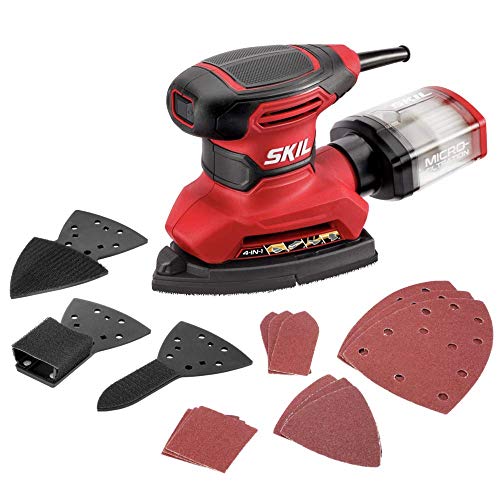
This SKIL 4-in-1 detail sander expands sanding versatility with three additional attachments for small surfaces, edges, and contours. Its 1.2-amp motor delivers about 13,500 orbits per minute, offering smoother finishes on wood, plastic, and metal applications. Best for: finishing work on curved surfaces and tight areas where attachments simplify the job. Caution: the micro-filtration system and dust port require compatible vacuum setup for optimal dust control.
TOVPADE 54PCS Premium Micro Sander Kit
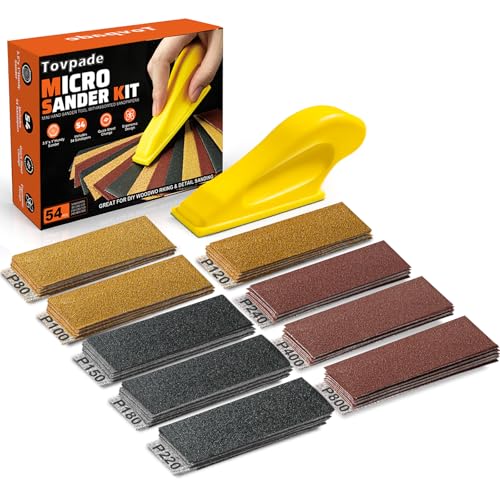
The TOVPADE kit provides a complete detail sanding setup with 54 sheets across 9 grit types, plus a compact sanding block. Its smart 3-color grit system helps users quickly distinguish coarse, medium, and fine grits, reducing sanding errors. Best for: detail work and quick grit changes in furniture finishing or craft projects. Caution: ensure you have a compatible backing and that you’re using the right grit on delicate surfaces to avoid gouging.
YNZDRWA 8 Pack Sanding Blocks

The YNZDRWA set includes eight sanding blocks in 60/80/120/220 grit, with washable, reusable blocks designed for both wet and dry sanding. The blocks are made to be durable and versatile, suitable for plywood, furniture surfaces, and drywall finishing. Best for: budget-focused projects that still require reliable results and reuse. Caution: blocks may wear faster on aggressive surfaces; rotate grit usage to extend life.
Dong Cheng 5-Inch Random Orbital Sander
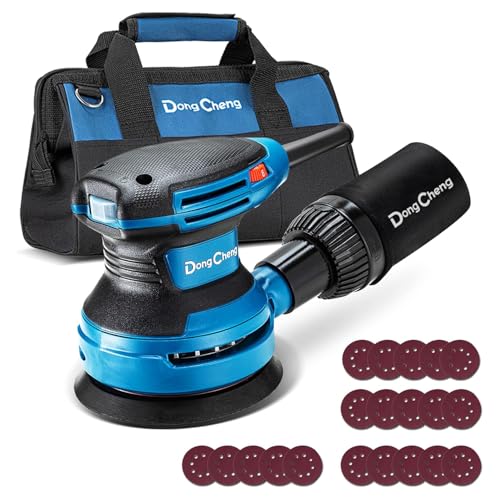
Dong Cheng offers a 5-inch sander with 6 variable speeds (8,000–12,800 OPM) and a 380W motor. The hook-and-loop disc system enables quick sandpaper changes, and a dust box with sealed switch helps control mess during woodworking, sanding large flat areas or refinishing furniture. Best for: solid mid-range power and frequent sandpaper changes on larger projects. Caution: not the lightest option for precise detail work due to its larger size.
SKIL Corded Detail Sander SR250801
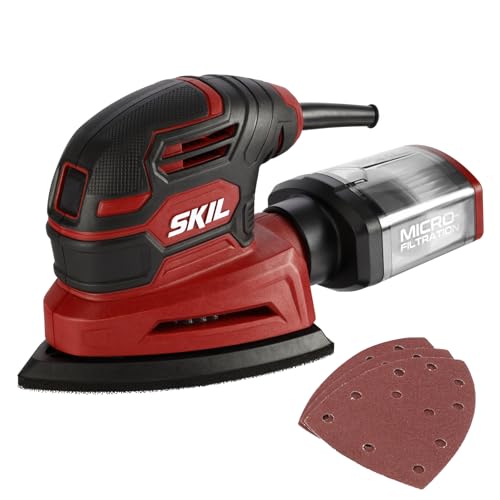
The SKIL SR250801 detail sander uses a 1-amp motor with 12,000 orbits per minute and features a micro-filtration dust system with a 1-1/4″ dust port for vacuum attachment. Its hook-and-loop sheet change system supports quick sanding sheet swaps, while a balanced design reduces vibration for comfortable use. Best for: small projects requiring precise edges and corners. Caution: limited power for heavy stock removal compared to larger orbital sanders.
Buying Guide: Key Purchase Considerations
- Project size and material: For large flat surfaces, prioritize higher orbiter counts and a dust collection system. For tight corners, choose detail sanders with small mouth openings and attachments.
- Dust management: Look for built-in dust boxes or vacuum-compatible dust ports to minimize cleanup and maintain air quality.
- Grit range and speed: Ensure a kit offers multiple grits (coarse to fine) and adjustable speed to match wood type and finish goal.
- Attachment system: Hook-and-loop backs and quick-change mechanisms save time on sheet changes and reduce downtime.
- Ergonomics and noise: Consider models with balanced handles and lower noise levels for extended use without fatigue.
- Budget vs. versatility: A multi-function sander or a kit with many attachments can replace several single-purpose tools, offering better value for ongoing projects.
Frequently Asked Questions
- What size sander is best for furniture finishing?
– A 5-inch or smaller detail sander is ideal for controlled, precise work on furniture edges and curved surfaces. - Should I choose a dust-collection sander?
– Yes, especially for indoor projects; it reduces cleanup and helps maintain air quality while you sand. - Is a higher OPM better?
– Higher OPM increases material removal speed, but you may need more control on delicate surfaces. Match speed to material. - What grit should I start with for paint removal?
– Start with coarse grits (around P80–P120) for removing old paint, then move to finer grits (P180–P240) for finishing. - Can I use woodworking sanders on metal or plastic?
– Some models can be used on metal or plastic with appropriate grit and caution; verify compatibility in the product specs. - How important is the hook-and-loop backing?
– It speeds up changing sheets and reduces downtime, especially on projects with many grit changes.