Answering the question: for painted tile surfaces, the right sealer should protect without yellowing, preserve color, and provide a wipe-clean finish. This roundup highlights polyurethane-based or polyurethane-relevant sealers that work well on ceramic or porcelain tile and painted surfaces. Ideal buyers include DIY homeowners sealing bathroom walls, kitchen splash tiles, or shower floors, as well as professionals needing durable, water-resistant coatings. See below for 5 solid options, with who each is best for and practical cautions.
| Product | Best For | Key Benefit |
|---|---|---|
| CoverTec GlazeGuard Satin Grout Sealer & Tile Sealer | Bathrooms and showers with ceramic/porcelain tile | 2-part water-based polyurethane for dense tile surfaces |
| AQUA-X 16 Oz. Grout Sealer | Indoor/outdoor grout and tile | Natural appearance, low odor, moisture barrier |
| Miracle Sealants 511 Impregnator | Countertops, tile, grout for indoor/outdoor | Penetrating seal with invisible barrier |
| Polar Tile & Grout Sealer Clear Aerosol Spray | Bathrooms, kitchens, tile floors | Instant waterproof protection with crystal-clear finish |
| Clear Acrylic Paint Sealer (MCTRHG) | Acrylic-painted tile or decorative surfaces | Glossy, non-yellowing sealant that enhances color |
CoverTec GlazeGuard Satin Grout Sealer & Tile Sealer

Best for dense ceramic and porcelain tile where a durable, satin-finish polyurethane film is desired. This 2-part, water-based polyurethane forms a protective layer on tile and grout, reducing absorption and making surfaces easier to wipe clean. It is particularly suitable for shower walls and floors where moisture resistance matters. The satin finish helps maintain a refreshed look without the sheen of a high-gloss coat. Caution: as a two-part product, follow mixing and curing instructions precisely to avoid surface issues.
Who it’s best for: homeowners or pros sealing dense ceramic or porcelain tile, especially in wet areas.
Why selected: its explicit tile and grout bonding capability on dense surfaces provides a durable shield where penetrating sealers may wear faster on glazed tile. The satin sheen balances aesthetics with protection.
Limitation: does require proper mixing and curing steps; not a simple single-coat spray or brush-on product.
AQUA-X 16 Oz. Grout Sealer

Best for those who want a natural appearance with a good moisture barrier for grout and adjacent tile. This sealer is noted for easy cleanup, low odor, and low VOCs, which helps when sealing in tighter indoor spaces. It helps prevent stain absorption while keeping tile color true. Caution: not all tile types may respond identically—test on a small, inconspicuous area first.
Who it’s best for: interior projects where odor, VOCs, and color retention matter.
Why selected: emphasizes a natural look and simple cleanup, making it a practical choice for kitchens and baths where frequent cleaning occurs.
Limitation: performance can vary with surface porosity; ensure proper surface prep for best results.
Miracle Sealants 511 Impregnator

Best for a versatile penetrating seal that works on countertops, stone, tile, and grout. This impregnator creates an invisible barrier that blocks water and stains while preserving the natural texture and color of the surface. It’s particularly useful for mixed-material installations or areas where a surface-coating polyurethane isn’t desired. Caution: it is a penetrating sealer rather than a surface film, so it won’t provide a topcoat look or feel.
Who it’s best for: users seeking long-lasting protection without altering the tile’s appearance or texture.
Why selected: broad compatibility with tile and grout, including glazed surfaces, while offering reliable water and stain resistance.
Limitation: it is not a surface film sealer; if you want a wipeable surface with a film, consider a polyurethane topcoat instead.
Polar Tile & Grout Sealer Clear Aerosol Spray

Best for quick, convenient protection on tile and grout without changing the look. The aerosol spray provides an instant water-repellent layer that helps resist daily moisture and grime on bathroom or kitchen surfaces. Caution: spray evenly and test for any over-application in corners or joints to avoid streaking.
Who it’s best for: DIYers seeking fast, uniform coverage on bathroom and kitchen tile without prep-heavy steps.
Why selected: its simple spray application makes it a good option for large tiled areas or projects where spray coverage is preferred.
Limitation: some users report variability in spray consistency; apply in light passes to avoid buildup.
Clear Acrylic Paint Sealer (MCTRHG)
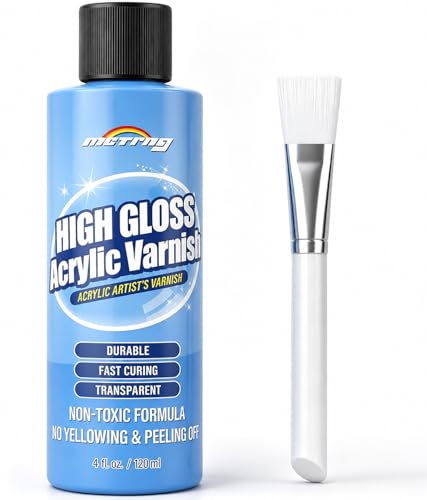
Best for painted or decorative tile surfaces where an acrylic clear coat is desired to lock in color and provide a glossy finish. This sealer resists yellowing and UV exposure while delivering a glass-like shine. Caution: designed for art and craft surfaces; test on tile coatings to ensure compatibility with your paint layer.
Who it’s best for: painted tile surfaces or decorative tile projects needing a bright, glossy finish.
Why selected: directly addresses the painted tile scenario by preserving color and adding a durable gloss layer.
Limitation: may not be ideal for high-traffic floors or heavy wet areas; check your paint compatibility and abrasion needs.
Buying Guide: Polyurethane-Style Sealer Choices For Painted Tile
- Surface type: Dense ceramic/porcelain tiles often benefit from polyurethane-based topcoats, while penetrating sealers are better for grout or mixed surfaces.
- Finish: Satin or glossy finishes affect wipeability and the look of painted surfaces. Choose based on desired appearance and maintenance preferences.
- Moisture exposure: Bathrooms, showers, and kitchens demand moisture resistance; select products with proven water resistance for wet areas.
- Application: Some products are two-part systems requiring mixing; others are ready-to-use sprays or brush-on coatings. Follow label directions for best results.
- VOC and odor: If indoor air quality is a concern, prefer low-VOC options and low-odor formulations.
- Reapplication: Consider durability and maintenance intervals. Some products require reapplication sooner on high-traffic surfaces.
- Test area: Always test a small, inconspicuous area to verify color fidelity, adhesion, and finish before large-scale use.
Frequently Asked Questions
- What is the difference between polyurethane topcoats and penetrating sealers for painted tile? — Polyurethane topcoats form a protective film on the surface, offering a wipeable finish and higher abrasion resistance. Penetrating sealers absorb into the tile or grout, preserving original appearance but often offering less surface protection.
- Can polyurethane sealer yellow my painted tiles? — Some water-based polyurethanes are formulated to reduce yellowing, but always test on a small area first and look for products specifically labeled non-yellowing.
- Is a satin finish better for tiles than a high gloss? — Satin hides minor flaws better and shows less smudges, while high gloss can highlight color vibrancy but show more maintenance marks.
- Should I seal grout and tile with the same product? — In many cases, dedicated grout sealers and tile sealers are formulated differently. If a product claims both tile and grout protection, verify compatibility with your tile type and grout composition.
- How long does polyurethane sealing take to cure on tile? — Cure times vary; follow the label. Some products need 24–72 hours before light use, with full cure extending longer in moisture-prone areas.
- Do I need to remove old sealers before applying a new coating? — Yes, remove or lightly abrade existing coatings to ensure proper adhesion and long-term performance.