When choosing a synthetic brush for polyurethane, look for brushes that hold and release polyurethane smoothly, minimize streaks, and maintain shape after cleaning. This guide highlights five high-utility brushes suited to different projects, from furniture refinishing to outdoor decking. The top picks are ideal for: DIY homeowners seeking economical sets, professional-like results on wood furniture, and outdoor projects requiring durable, wide-stroke performance.
| Product | Best For | Why It Stands Out |
|---|---|---|
| Pro Grade Foam Brushes Set (2 Inch, 48 Pack) | Small projects, edges, quick coats | Many pieces, smooth, streak-free coats |
| Double Thick Chip Paint Brush Set (5 Pack) | Versatile sizes for furniture and fences | Assorted widths, durable synthetic bristles |
| Genixart Deck Stain Brush, 5-Inch | Decks, fences, large surfaces | High-grade nylon bristles, wide coverage |
| Genixart Double Thick Chip Paint Brush, 3-Inch | Miding edges and medium surfaces | Wide stroke, suitable for varnish and stains |
| Pro Grade Paint Brushes Set (5-Piece) | Walls, trim, cabinets | Synthetic bristles, softwood handles |
Pro Grade Foam Brushes Set — 2 Inch

Pro Grade Foam Brushes provide a smooth, streak-free finish for polyurethane with a large quantity that suits small projects and touch-ups. The 2-inch size is ideal for edges and narrow surfaces, helping beginners and pros achieve consistent coats.
Best for: small projects, trim work, crafts. Cautions: avoid heavy polyurethane buildup on foam to prevent tearing; replace if bristles fray.
Double Thick Chip Paint Brush Set

This 5-pack includes sizes 1″, 1½”, 2″, 2″, and 2½” to cover diverse surfaces. The set pairs wooden handles with durable synthetic bristles, suitable for polyurethane, varnish, and stains on furniture and fences.
Best for: furniture refinishing and exterior staining. Choose this if you need varied brush widths for edges and broad surfaces. Caution: bristles are disposable; avoid heavy use on rough surfaces to extend life.
Genixart Deck Stain Brush, 5-Inch

Genixart’s 5-inch deck stain brush uses high-grade nylon bristles for even paint distribution and holds more finish due to its wavy filament design. It suits deck staining, fence work, and large wall areas with polyurethane and other finishes.
Best for: decks, fences, and broad outdoor surfaces. A limitation: wider brush may be less precise for detailed edges; best used with larger, flat areas.
Genixart Double Thick Chip Paint Brush, 3-Inch

This 3-inch brush supports wider strokes on medium-sized surfaces, suitable for fence panels and interior walls where polyurethane or varnish coats are needed. The double-thick chip design boosts durability for repeated use on rougher surfaces.
Best for: medium-area projects like fences and wall segments. Caution: heavier bristles may leave slightly more texture on very smooth surfaces; test on a small area first.
Pro Grade Professional Paint Brush Set
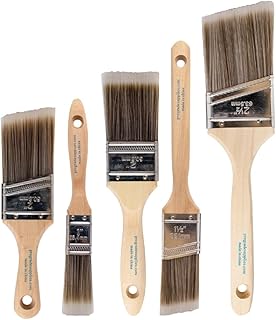
The Pro Grade 5-piece set focuses on walls, trim, and stain work. Synthetic bristles and softwood handles provide a balance of control and finish quality for polyurethane and related finishes on interior projects.
Best for: walls, trim, and cabinets. Caution: the set may be more suitable for indoor use; outdoor exposure could require more durable brushes.
Buying Guide
Key considerations when selecting a synthetic brush for polyurethane include bristle type, brush width, and handle design. Synthetic bristles generally offer smooth release and easy cleaning, but bristle stiffness should match the job—softer bristles for delicate surfaces and stiffer options for broad, textured surfaces.
- Surface area: Choose wide brushes for large decks and walls; narrow brushes for edges and intricate profiles.
- Finish type: Ensure bristles are compatible with water-based and oil-based polyurethanes; some brushes work better with one type.
- Durability: For outdoor use, look for nylon or polyester bristles with sturdy ferrules to resist shedding.
- Cleaning and reuse: Some brushes tolerate cleaning with solvent or soap and water; check manufacturer guidance.
- Edge control: For precise cuts, select brushes with tapered bristles and a comfortable handle for steady hand control.
FAQ
- Q: Are synthetic brushes better for polyurethane than natural bristles? A: Yes, synthetic bristles typically hold and release polyurethane more consistently and resist water damage better than natural bristles.
- Q: How do I prevent brush marks when applying polyurethane? A: Apply thin, even coats with a quality synthetic brush and maintain a consistent stroke direction; lightly sand between coats as recommended by the product.
- Q: Can I reuse brushes after polyurethane? A: Some brushes are reusable with proper cleaning; others are disposable. Follow manufacturer instructions for best results.
- Q: Which brush size should I choose for edges? A: Smaller widths (1–2 inches) are ideal for edges and trim; larger sizes speed up flat surface coverage.
- Q: Is a foam brush good for polyurethane? A: Foam brushes can work for small, quick coats but may degrade with heavy coats or dense finishes; use for light applications and edges when appropriate.
- Q: Do these brushes work with water-based and oil-based polyurethane? A: Many synthetic brushes are compatible with both, but always verify the product features for your specific finish.