Answering a common cabinet upgrade question: the right edge banding transforms thin plywood edges into clean, durable surfaces. This guide highlights five practical options for American homeowners and hobbyists, from melamine and real-wood veneers to peel-and-stick PVC and useful trimming tools. Each pick is best for different projects—repairing damaged cabinet edges, matching a specific wood tone, or completing quick DIY refreshes. Below is a concise table of the featured products to help you compare at a glance.
| Product | Type | Size | Best For |
|---|---|---|---|
| GSCIT Club Melamine Edge Banding, White | Melamine, pre-glued | 3/4 in x 25 ft | Daily cabinet repairs; quick white finish |
| GSCIT Club Birch Edge Banding | Real wood veneer, pre-glued | 3/4 in x 50 ft | Wood-tone match and restoration |
| NECAMOCU Edge Banding Trimmer | Tool for trimming | N/A | Precise, clean trim for any banding |
| ZYJT Melamine Edge Banding, White | Melamine, pre-glued | 3/4 in x 50 ft | Large projects; consistent white edge |
| UNMAR White PVC Edge Banding | PVC, peel-and-stick | 3/4 in x 25 ft | Fast, no-adhesive mess; versatile use |
GSCIT Club Melamine Edge Banding, White, 3/4″ x 25ft

Best for quick cabinet repairs where a clean white finish is desired. This melamine edge banding is pre-glued with heat-melt adhesive, simplifying application. The 0.6 mm thickness provides a balance between ease of use and durability. It’s well-suited for plywood or laminate surfaces where a smooth, low-maintenance edge is preferred.
Who it’s best for: DIYers seeking an affordable, fast fix for white-edged cabinets or furniture. Why selected: consistent color, reliable pre-glued backing, and simple iron-apply process. Caution: ensure the surface is clean and dry before applying to prevent adhesion issues on glossy finishes.
GSCIT Club Birch Edge Banding, 3/4″ x 50 ft

Best for wood-tone restoration projects where a real-wood look is important. The Birch edge banding is a pre-glued veneer with a 0.6 mm thickness, designed for straightforward iron-on application. It’s ideal for cabinets that require a natural wood finish while maintaining edge durability.
Who it’s best for: homeowners restoring lightly damaged cabinets or matching birch interiors. Why selected: authentic wood appearance, good flexibility, and reliable pre-glued backing. Caution: real-wood bands can show color variation between batches; test a sample first if exact shade matters.
NECAMOCU Edge Banding Trimmer

Best for precise trimming and clean edges when finishing edge banding. This upgraded tool features a thicker blade, larger cutting edges, and a robust screw system, designed to deliver smooth, safe trims across various materials. It’s particularly useful for trimming excess banding after iron-on application and for avoiding tear-out on delicate surfaces.
Who it’s best for: woodworkers and DIYers who frequently trim edge banding or work with multiple sheet materials. Why selected: improved durability, safer edge, and easier cleanup. Caution: requires careful handling to avoid slipping on small workpieces or near finished surfaces.
ZYJT Melamine Edge Banding, White, 3/4″ x 50 ft
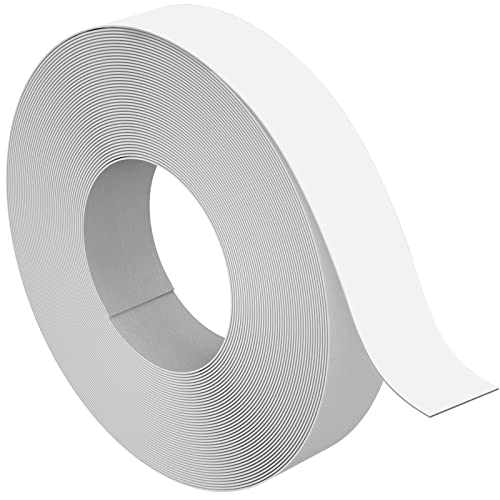
Best for extended white-wood edge projects where consistent color and finish are important. This white melamine banding shares the familiar pre-glued design and 0.6 mm thickness, offering straightforward iron-on installation and durable edges for cabinetry and furniture repairs.
Who it’s best for: contractors or busy homeowners tackling larger white-edge projects. Why selected: reliable white finish, dependable adhesion, and long 50-ft roll for coverage. Caution: color consistency may vary slightly between batches; keep a small scrap for color matching.
UNMAR White PVC Edge Banding, 3/4″ x 25 ft

Best for fast installations where peel-and-stick versatility matters. This PVC edge banding is flexible and durable, designed to bond well with MDF, plywood, or particleboard. It’s particularly suitable for high-traffic areas or DIY projects where a quick, clean edge is prioritized.
Who it’s best for: DIY enthusiasts who want a quick, mess-free edge finish with strong initial adhesion. Why selected: peel-and-stick convenience, good flexibility, and broad compatibility. Caution: PVC can show wear over time in very high-heat environments; use in normal indoor conditions.
Buying Guide: Edge Banding For Cabinets
What edge banding material should you choose? Here are practical considerations:
- Material type: Melamine edges are economical and easy to apply; real-wood veneers offer authentic grain matching but may vary in shade across batches; PVC is fast and peel-and-stick but may be less durable under heat.
- Adhesive method: Pre-glued (heat-melt) bands require an iron and pressure; peel-and-stick PVC provides quick bonding without heat.
- Edge thickness: Most options use 0.6 mm thickness for balance between flexibility and durability. Thicker bands resist wear but may require more careful trimming.
- Roll length: Longer rolls reduce seams on larger cabinets. Shorter rolls are suitable for small projects or matching specific panels.
- Finish color: Plain white is common and versatile; wood veneers demand color matching. Consider lighting and surrounding cabinetry when choosing.
- Tools: A dedicated edge banding trimmer helps achieve clean margins; a sharp utility knife and sanding block aid trimming and finishing.
Frequently Asked Questions
- What is edge banding used for on cabinets?
– It covers exposed edges to improve durability, appearance, and moisture resistance on plywood or particleboard cabinets. - Can I apply edge banding without special tools?
– Peel-and-stick PVC edges can be applied with minimal tools; melamine bands typically require an iron and pressure, and trimming tools improve precision. - Is real-wood edge banding better than melamine?
– Real-wood bands offer authentic grain but can be more sensitive to color differences and require careful matching; melamine provides uniform color and is generally more economical. - How long does edge banding last?
– Durability depends on material and environment. Proper adhesion and trimming maximize longevity in typical indoor conditions. - Do I need a trimming tool for edge banding?
– A trimming tool helps achieve cleaner edges and reduces the risk of chipping, especially on delicate surfaces or long runs.