When choosing a water-based cabinet lacquer, look for clear, durable finishes that dry fast, resist yellowing, and are easy to clean. This guide highlights five top options ideal for cabinets, built to protect wood while preserving color and detail. Best for DIY painters, professional refurbishments, and kitchens with high use, these finishes offer varying sheens and drying times to fit different project needs. The table below compares key quick facts to help you decide which finish to choose first.
| Product | Finish Type | Sheen | Dry Time | Best For |
|---|---|---|---|---|
| Minwax 25555 Clear Polycrylic | Water-based protective finish | Gloss | Dries in hours, recoat as needed | Shiny, modern look for cabinets |
| Varathane Ultimate Polyurethane (Matte) | Water-based polyurethane | Matte | 30 minutes to touch | Low-gloss, modern cabinets |
| Minwax 63333 Clear Polycrylic Satin | Water-based protective finish | Satin | Recoat after a few hours | Classic, subtle sheen |
| Varathane Ultimate Polyurethane (Semi-Gloss Half Pint) | Water-based polyurethane | Semi-Gloss | 30 minutes to touch | Brighter look with slight sheen |
| Minwax 233334444 Polycrylic Clear Satin | Water-based protective finish | Satin | Recoat after 2 hours | Soft, natural appearance |
Minwax 25555 Clear Polycrylic Water-Based Finish, Gloss
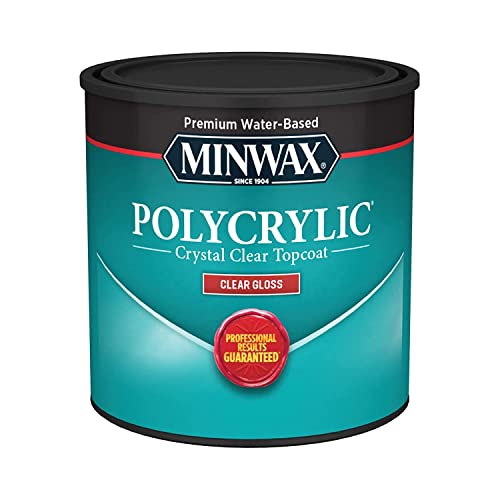
Best for: Projects requiring a bright, glass-like finish that protects wood surfaces, including cabinets. The gloss sheen highlights natural grain while resisting scratches, spills, and dirt. This finish is compatible over various stains and woods, and is non-yellowing and low odor, making it suitable for kitchen and bathroom cabinets.
Why selected: It delivers a crystal-clear topcoat that dries hard and clear over both oil-based and water-based stains. The gloss sheen is ideal where a modern, polished look is desired. A potential limitation is its gloss finish, which may emphasize surface imperfections on very rough wood without prior prep.
Caution: Avoid applying over very bright white paints as a topcoat can alter the color slightly on some substrates.
Varathane Water-Based Crystal-Clear Ultimate Polyurethane, Matte

Best for: Cabinets where a low-luster, natural look is preferred while maintaining strong protection against moisture and wear. The matte finish reduces glare and is forgiving of minor surface flaws.
Why selected: It dries fast and cleans up with soap and water, with a practical recoat window. The water-based formula minimizes ambering and is suitable for interior wood like cabinets and trim. A limitation is that matte sheens can highlight dust more readily than glossier finishes.
Caution: Allow adequate ventilation during application to manage odor and drying times in small spaces.
Minwax 63333 Clear Polycrylic Satin

Best for: Those seeking a satin, classic sheen that provides durable protection without the high shine of gloss. This is a versatile choice for cabinets where a refined yet understated finish is desired.
Why selected: It offers a crystal-clear finish compatible with multiple stains, while delivering a satin look ideal for traditional kitchen cabinets. A potential limitation is that satin finishes may require thoughtful prep to avoid showing surface texture or flaws more than glossier finishes.
Caution: Do not exceed recommended recoat intervals; proper sanding between coats helps preserve clarity and adhesion.
Aqua Coat White Water-Based Cabinet Grain Filler

Best for: Prep work before applying lacquer; ideal for smoothing wood pores in cabinets, vanity upgrades, and millwork. This product fills grain to create a uniform surface for a high-quality topcoat finish.
Why selected: Grain fillers reduce topcoat absorption and help achieve a smoother, glass-like finish with fewer coats. It is compatible with both oil-based and water-based primers, paints, and lacquers. A limitation is that filler requires proper curing and sanding before topcoating to avoid seams or pinholes.
Caution: Follow recommended working time and dry times to ensure proper pore sealing before applying lacquer.
Buying Guide
Key considerations for selecting a water-based cabinet lacquer include sheen preference, drying time, and surface compatibility. The following questions help tailor choices to your project:
- What sheen best matches my cabinets’ style—gloss, satin, or matte?
- Do I need rapid recoat times to shorten project duration?
- Is odor and cleanup ease important for indoor projects?
- Should I prep with a grain filler for a smoother topcoat result?
- Will the finish be used in high-traffic areas like kitchens or bathrooms?
Practical tips for application and maintenance:
- Sand between coats with a fine grit (320-400) for a durable, even finish.
- Ensure proper ventilation and maintain a clean, dust-free workspace to avoid inclusions.
- Test a small, inconspicuous area before full application to confirm color and sheen.
- Follow manufacturer recoat intervals to preserve clarity and adhesion.
Frequently Asked Questions
- What is a water-based cabinet lacquer best for? Internal wood surfaces like cabinets, furniture, and trim, providing a clear, durable finish with minimal odor and quick dry times.
- Why choose satin versus gloss for cabinets? Satin offers a subtler, classic look; gloss provides a brighter, modern appearance and higher glare.
- Can I apply water-based lacquer over painted surfaces? Yes, but ensure the paint is fully cured and lightly sanded to promote adhesion.
- Does water-based finish yellow over time? Reputable water-based polyurethanes resist yellowing, especially compared to oil-based options.
- How long should I wait between coats? Typical recoat times range from 2 to 4 hours, depending on product and environment.
- Is grain filler necessary for cabinets? For smooth, paint-ready surfaces, especially on porous woods, a grain filler helps reduce porosity and coat absorption.