The best kitchen cabinet baseboard trim blends moisture resistance, easy installation, and a neat finish to protect walls and floors. This guide highlights five top options that are well-suited for kitchens, bathrooms, and nearby cabinets. Each listing includes who it’s best for and why it stands out, helping you compare quickly and choose confidently.
| Product | Best For | Key Benefit |
|---|---|---|
| Vinyl Baseboard Molding Trim (Black) — 4″ x 20′ | DIY homeowners needing durable, moisture-resistant edges | Pre-installed adhesive, flexible PVC, high moisture resistance |
| Vinyl Baseboard Molding Trim (White) — 4″ x 20′ | Light-colored, seamless look with easy install | Same durable, self-adhesive format as Black |
| FONUNO Vinyl Wall Base — 4″ White | Simple, clean install for interiors | Self-adhesive, easy to trim and apply |
| 118 Inch Flexible Quarter Round Molding | Curved corners and irregular edges | Flexible, peel-and-stick, handles curves well |
| Nayotaa Flexible Vinyl Baseboard Trim — 20 ft | Uneven floors and curved layouts | Flexible PVC, built-in toe edge for neat transitions |
Black 4″ Vinyl Baseboard Molding Trim
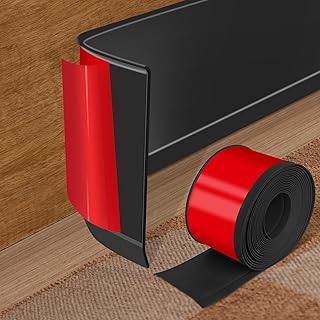
Product overview: Premium PVC baseboard trim with a waterproof, moisture-resistant surface. The Black color offers a modern, subtle contrast for kitchens with darker cabinetry. It resists deformation and cracking over time and is easy to clean for long-term upkeep.
Best for: DIY homeowners updating kitchens or bathrooms who want a sleek, contemporary finish and straightforward installation.
Why selected: This option pairs a robust PVC core with an adhesive-backed peel-and-stick design, making it a top pick for faster projects that still require durable, wall-protecting edges.
Limitations: Dark finishes can show dust more readily; regular cleaning improves appearance. This is a self-adhesive trim, so surface preparation matters for best adhesion.
White 4″ Vinyl Baseboard Molding Trim
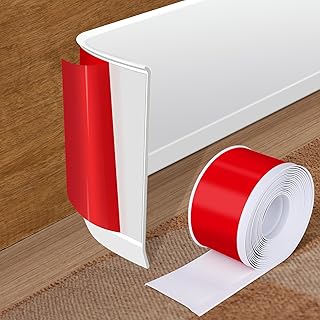
Product overview: White PVC baseboard trim designed for damp spaces with a moisture-resistant surface. Like the black variant, it’s durable, deformation-resistant, and easy to maintain via a simple wipe-down.
Best for: Homeowners seeking a light, clean aesthetic around cabinets, floors, and walls where visibility of seams should be minimized.
Why selected: Uniform white provides a seamless transition in most kitchens and bathrooms, pairing well with light cabinetry and tile.
Limitations: White shows scuffs more easily; consider placement away from heavy traffic zones or plan for occasional touch-ups.
FONUNO Vinyl Wall Base — 4″ White

Product overview: Self-adhesive vinyl wall base with a 4″ width, designed for straightforward installation. The white color complements a wide range of cabinetry and flooring styles. The material is flexible, suitable for irregular walls and floor lines.
Best for: Rooms with moisture concerns where rapid, tool-free installation is preferred. Great for kitchens and bathrooms with straightforward color matching needs.
Why selected: The self-adhesive design simplifies installation and reduces the risk of gaps at edges.
Limitations: If temperatures are cool, warming the adhesive can help with stronger bonding. Ensure surfaces are clean and dry before applying.
118 Inch Flexible Quarter Round Molding

Product overview: Flexible quarter round molding designed to fit curved corners, stairs, and irregular edges. The peel-and-stick backing allows quick installation, and the 118″ roll can be cut to fit multiple project needs.
Best for: Projects involving rounded walls, curved stairs, or irregular cabinet corners where rigid molding fails to align.
Why selected: Flexibility makes it easier to achieve a clean, finished edge around non-straight surfaces.
Limitations: May require careful pressing along long runs to prevent gaps; ensure a smooth, dust-free surface for best adhesion.
Nayotaa Flexible Vinyl Baseboard Trim — 20 ft

Product overview: Flexible vinyl baseboard trim designed for uneven floors and wall gaps. It features an integrated toe edge for cleaner transitions and easier dust control along edges.
Best for: Cabinets and floors where contouring to irregular surfaces is necessary, including kitchens with older subfloors or slight warps.
Why selected: The toe-edge detail helps create a crisp line where wall and floor meet, which is attractive in professional-looking kitchen updates.
Limitations: Flexible trim can be more challenging to trim precisely at very short lengths; use sharp scissors or a utility knife for clean cuts.
Buying Guide: Key Considerations for Kitchen Cabinet Baseboard Trim
- Moisture resistance: Kitchens and bathrooms demand moisture-resistant materials to prevent warping and cracking over time.
- Adhesive vs. nailing: Self-adhesive trims are faster for DIY, while nailed or screw-installed options may hold better in high-traffic areas.
- Color and finish: Choose colors that complement cabinetry and flooring. Light colors reflect more light; dark colors can hide scuffs but show dust.
- Flexibility: If your layout includes curves, irregular walls, or rounded edges, flexible trims (like quarter rounds and flexible baseboards) provide better fit and appearance.
- Surface preparation: For best adhesion, ensure walls are clean, dry, and free of grease. Warming the adhesive in cooler environments can improve bonding.
- Trim width and thickness: Match baseboard height to cabinet height for a cohesive look. A 4″ width is common for mid-sized kitchens; larger rooms may benefit from wider profiles.
- Maintenance: Choose easy-to-clean surfaces to minimize ongoing maintenance in kitchens and near sinks.
Frequently Asked Questions
- What is the easiest baseboard trim to install around existing cabinets?
– Self-adhesive vinyl baseboard trims are typically the easiest, as they require no tools beyond a roller or finger pressure to set the adhesive. - Can vinyl baseboard trim be used in damp areas like kitchens?
– Yes. Many vinyl trims are designed to be moisture-resistant and suitable for kitchens and bathrooms. - How should I prepare walls before applying peel-and-stick baseboard trim?
– Wipe surfaces clean and dry, remove dust, and heat adhesive if temperatures are low to improve bonding. - Is flexible trim better for curved walls or irregular layouts?
– Yes. Flexible trims conform to curves and irregular edges more readily than rigid profiles. - Do I need to seal the edges after installation?
– Not typically for vinyl baseboard trims, but always follow product-specific instructions for best results.