When choosing a drywall sealer for a bathroom, look for products that block mold, seal damaged paper, and tolerate frequent humidity. The top five options below are selected for bathrooms, powder rooms, and other moisture-prone areas. Best for quick repairs, best for mold resistance, and best for long-lasting seals are highlighted to help you decide fast.
Summary table of chosen products:
| Product | Best For | Key Benefit |
|---|---|---|
| Zinsser Gardz Water-Based Problem Surface Sealer | Damaged drywall patches | Seals torn paper and skim coats |
| Zinsser Mold Killing Primer | Mold-prone bathrooms | Kills and blocks mold and mildew |
| Gorilla 100% Silicone Caulk | Water exposure areas | 100% silicone, fast cure |
| Advanced Silicone Caulk | Showers, tubs, high humidity | Strong adhesion, flexible seal |
| DAP Kwik Seal Kitchen & Bath Caulk | Budget bathroom projects | Waterproof acrylic latex caulk |
Zinsser Gardz Water-Based Problem Surface Sealer

The Zinsser Gardz sealer hardens and seals damaged drywall, torn paper, and patched areas. Best for repairing compromised surfaces before finishing a bathroom wall. It helps create a stable base for subsequent coatings and reduces bubble formation in skim coats or spackling. Use this when you need a clear, water-based seal to stabilize problem drywall.
Who it’s best for: homeowners or professionals with damaged drywall surface that requires sealing prior to priming and painting. Why selected: it addresses torn paper and damaged areas, providing a solid foundation for the final bathroom finish. Caution: ensure the surface is clean and free of loose material before application.
Zinsser Mold Killing Primer

This primer kills existing mold and mildew and blocks odor-causing bacteria on interior surfaces. It is EPA registered and designed to work beneath any topcoat to prevent fungal staining from returning. It’s a practical choice for bathrooms with prior moisture issues, especially where mold is a concern.
Who it’s best for: buyers facing mold-prone bathrooms or areas with persistent moisture. Why selected: EPA-registered mold control provides an added layer of protection before finishing coats. Caution: follow label directions for ventilation and curing times in damp spaces.
Gorilla 100% Silicone Caulk, Clear
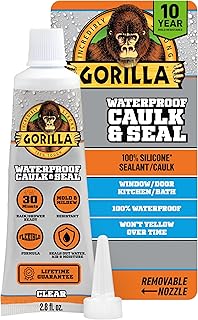
This 100% silicone caulk provides a waterproof seal and is ready for water exposure in 30 minutes after application. It forms a durable, flexible seal and works on multiple indoor and outdoor surfaces. It’s ideal for joints around sinks, tubs, and showers in bathrooms.
Who it’s best for: those needing a fast-curing, highly waterproof sealant for high-moisture zones. Why selected: silicone’s durability makes it reliable for bathrooms. Caution: silicone requires proper surface preparation for adhesion, and some paints may not adhere directly to cured silicone.
Advanced Silicone Caulk for Kitchen & Bath
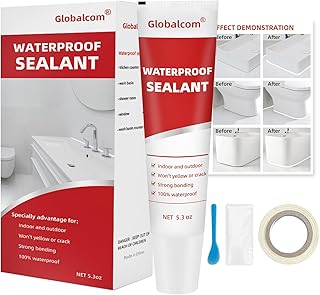
This white silicone sealant is designed for interior and exterior use with enhanced adhesion and flexible performance. It is suitable for showers, tubs, sinks, tile, countertops, and fixtures. The formula aims to resist shrinkage and cracking while staying flexible in high-moisture areas.
Who it’s best for: homeowners needing a robust, flexible silicone solution across multiple bathroom substrates. Why selected: strong adhesion, durability, and versatility. Caution: ensure compatible substrates and allow full cure before exposing to water.
DAP Kwik Seal Kitchen & Bath Adhesive Caulk

This acrylic latex caulk bonds like glue and seals like a caulk. It cures to be 100% waterproof and can be used around kitchens and baths. It’s a practical choice for quick, budget-friendly bathroom projects. Apply in temperatures above 40F, and avoid continuous underwater exposure or defective surfaces.
Who it’s best for: those seeking an economical, easy-to-apply sealant for bathrooms. Why selected: simple application with reliable waterproof sealing. Caution: not recommended for continuous underwater use or defective substrates.
Buying Guide: Key Purchase Considerations
What type of sealant is best for bathrooms? Choose between water-based sealers, mold-blocking primers, and silicone or acrylic caulks depending on the surface challenges and moisture levels. Water-based products are easier to clean and low in odor, but silicone often provides stronger waterproof seals in wet zones.
Do you need mold resistance? If bathrooms have a history of moisture, prioritize products with mold-killing or mold-blocking properties to reduce recurring staining and odor.
What about surface preparation? Damaged drywall should be stabilized before sealing. For torn paper, a product like Gardz can help, followed by primer or paint. For joints, silicone caulk generally adheres best to ceramic, metal, and tile surfaces.
How important is cure time? Some silicone caulks cure quickly and are ready for light use in 30 minutes, while others require longer. Plan around bathroom use and ventilation during cure periods.
Are color options a factor? Clear silicone and white caulks offer unobtrusive finishes around fixtures. If a matching color is needed, select a color-matched sealant or a white product and paint after curing when compatible.
Ease of application and cleanup matters. Water-based products are typically easier to clean with soap and water, making them suitable for DIY projects. For professional results in high-moisture areas, dedicated silicone sealants are often preferred.
Frequently Asked Questions
- What sealer should I use on already-damaged drywall in a bathroom?
– Use a sealant like Gardz to stabilize torn paper and patch areas, then follow with primer or paint to finish the surface. - Can I use silicone caulk directly on drywall?
– Silicone caulk adheres well to non-porous surfaces but may require priming or surface prep on drywall. Ensure compatibility with surrounding materials. - Is a mold-killing primer necessary in every bathroom remodel?
– Not always, but it’s beneficial in bathrooms with prior moisture or mold concerns to reduce regrowth before finishing coats. - Which product dries fastest for a quick bathroom repair?
– Some silicone caulks cure within 30 minutes for water exposure readiness, but full cure times vary by product and environment. - Are there safety considerations for bathroom sealants?
– Ventilate well during application and curing; follow label instructions for any odor and exposure precautions. - Should I choose water-based or silicone sealants?
– For areas with frequent water exposure, silicone offers a longer-lasting seal; water-based products are easier to work with and clean up.