If you’re seeking durable, aesthetically diverse finishes for concrete surfaces, solvent-based concrete stains offer strong color penetration and long-lasting results. This guide highlights five top options, explains who each product suits best, and provides practical buying tips. Whether you’re refinishing a driveway, patio, pool deck, or interior flooring, these selections cover a range from marbled, translucent looks to solid, uniform tones. Use this to decide which stain type—acid, water-borne, or concentrate—fits your project needs and application style.
Summary table of selected products
| Product | Brand | Use Case | Key Benefit |
|---|---|---|---|
| Mocha – Semi-Transparent Concentrate | Concrete Resurrection | Driveways, Patios, Floors | Easy water-borne concentrate for layered, mottled effects |
| Onyx – Semi-Transparent Concentrate | Concrete Resurrection | Floors, Pool Decks | Versatile color depth with marbling capability |
| Western Saddle – Acid Stain | Concrete Resurrection | Indoor/Outdoor projects | Natural, variegated translucence and UV stability |
| Black Walnut – Acid Stain | Concrete Resurrection | Concrete interiors and exteriors | Elegant translucent look with natural shading |
| Walttools – Black | Walttools | Indoor/outdoor decorative concrete | Low VOC, water-based formula for customizable depth |
Mocha – Semi-Transparent Concentrate
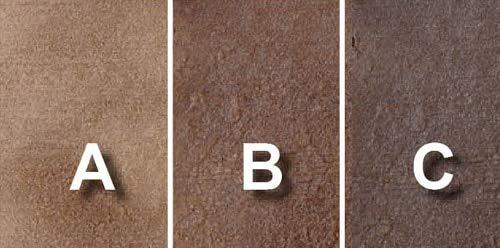
Brand: Concrete Resurrection
Format: 32-ounce water-borne concentrate that is designed for easy dilution and layering. It emphasizes a short route to a dazzling concrete surface and is suitable for floors, pool decks, patios, and driveways. The product highlights marbling and mottling by combining multiple colors.
Best for: Homeowners and finishers who want a flexible, layered appearance with the option to build depth through color layering. This is a good pick for DIYers seeking a simple, water-borne route with professional-grade results.
Why selected: It represents a practical, user-friendly approach to achieving variegated finishes through layering, with clear application pathways for various concrete surfaces.
Caution: Sheen and depth depend on dilution and layering; test on a small area first to dial in color intensity.
Onyx – Semi-Transparent Concentrate

Brand: Concrete Resurrection
Format: 32-ounce water-borne concentrate. It’s described as ideal for water-based, professional-grade coloring of concrete floors, pool decks, patios, and driveways, with marbling and mottling possibilities when layered with other colors.
Best for: Users who want a flexible, semi-transparent look with depth control via dilution and layering. Excellent for projects that benefit from a combined color system to achieve natural transitions.
Why selected: This option mirrors the same practical, mix-and-match approach as Mocha, offering varied depth through color layering while remaining easy to apply for both DIY and professional contexts.
Caution: As with any water-borne concentrate, consistency depends on mixing and surface preparation; follow kit instructions precisely for best results.
Western Saddle – Acid Stain

Brand: Concrete Resurrection
Format: Gallon size acid stain designed for interior and exterior projects. It is advertised as UV-stable and capable of producing elegant variegated translucent effects that look natural rather than painted.
Best for: Projects where a classic, natural stone-like finish is desired with strong color depth and translucence. Suitable for both decorative floors and exteriors needing UV resistance.
Why selected: This product is a robust option for achieving deep, natural color variation and a long-lasting finish, particularly when you want a traditional, stone-like aesthetic.
Caution: Acid stains can react with concrete chemistry; perform a test patch to confirm color and compatibility with your surface before full-scale application.
Black Walnut – Acid Stain

Brand: Concrete Resurrection
Format: Gallon acid stain featuring UV stability and translucent, variegated color for interior and exterior projects. The finish emphasizes a natural, non-painted look with depth and shading.
Best for: Surfaces where a deep, wood-toned or earth-toned appearance is desired with long-term color stability and a natural patina.
Why selected: Like Western Saddle, this option provides a natural, variegated finish that is highly valued for its authentic look and durability in outdoor conditions.
Caution: Acid stains are reactive; test color outcome on a small area to ensure uniformity across the project.
Walttools – Black (Water-Based)
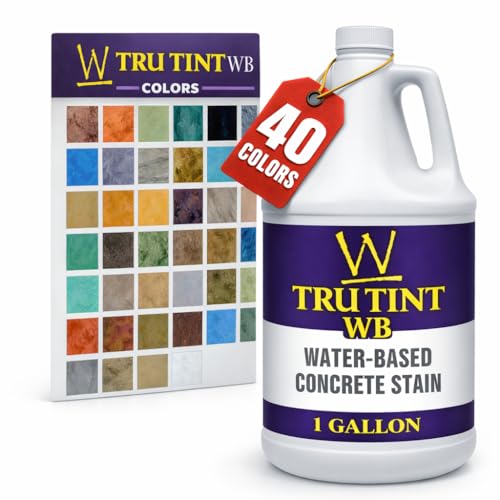
Brand: Walttools
Format: One-gallon water-based concrete stain designed for decorative color on concrete, cement, and masonry. It is low VOC and adjustable by dilution to achieve layered finishes.
Best for: Projects prioritizing indoor applications, safety considerations, and odor control while still achieving rich, customizable color depth.
Why selected: It provides a high-clarity option for builders seeking a safer, low-odor approach with strong color control, useful for layered, artistic effects.
Caution: Being water-based, it may require sealing or additional coatings for outdoor UV durability and stain longevity in harsh climates.
Buying Guide: Key Considerations for Solvent-Based Concrete Stains
What stain type should you choose for your project? Acid stains (like Western Saddle and Black Walnut) penetrate the concrete and create natural, variegated tones without a painted look. Water-based concentrates (like Mocha and Onyx) offer flexible color depth through dilution and layering, often with less odor and easier cleanup. The Walttools option demonstrates a safer, low-VOC alternative for those sensitive to fumes.
Surface preparation matters. Clean surfaces, remove sealers or coatings, and ensure a dry, dust-free substrate for best adhesion and color uniformity. Test colors on a small area before full application to verify hue, depth, and translucence across exposure conditions.
Environmental considerations. If indoor or poorly ventilated spaces are involved, water-based stains or low-VOC products reduce odor exposure and improve usability. For exterior use, check UV stability and fading resistance to ensure long-term color retention.
Application and finishing. Acid stains require slower application and careful control of chemical reactions; solvents or primers are generally not required, but compatibility with existing concrete finishes matters. For all stains, consider sealing after color development to preserve the finish and reduce wear or fading.
Color strategy. Plan for depth by layering multiple colors or combining dilutions to achieve marbling, mottling, or stone-like looks. Acid stains tend to yield natural variegation; water-based concentrates offer broader control over color intensity and layering effects.
Frequently Asked Questions
- What is the main difference between acid stains and water-based stains? Acid stains react with concrete to produce variegated, translucent tones, while water-based stains color the surface with adjustable depth and layering options without a chemical reaction.
- Can I mix colors to create custom tones? Yes, especially with water-based concentrates like Mocha and Onyx, you can layer colors to achieve marbled effects.
- Are solvent-based stains safer for indoor use? Water-based options generally have lower odors and VOCs, making them preferable for indoor spaces unless proper ventilation is ensured.
- Will stains require a sealant after application? Sealing is often recommended to protect color and improve stain longevity, especially in high-traffic or outdoor areas.
- How do I test color before committing to a full project? Apply a small sample on a representative concrete patch after cleaning and etching, then allow the stain to dry fully to observe the final color.
- What surfaces are suitable for these stains? Concrete floors, driveways, patios, pool decks, and exterior or interior slabs are common surfaces for these products, assuming proper preparation and compatibility with the stain type.