Oil-based wall paints are chosen for their long-lasting durability, smooth finish, and strong stain resistance. This guide highlights five top options that are well-suited for American homes, spanning traditional oil-based performance and modern low-odor, water-based alternatives when relevant. Each entry explains who benefits most, why it was selected, and any practical limitations to consider before buying. Whether you’re refinishing trim, creating a mildew-resistant interior, or aiming for a crisp project turnaround, this list helps you compare the best choices at a glance.
Buyer snapshot table:
- Product: Zinsser 02774 PERMA-WHITE Interior Paint, Eggshell White (Quart)
- Best for: Mold and mildew-prone interiors; self-priming convenience
- Product: Rust-Oleum 369385 Advanced Dry Door & Trim Paint, Quart, Satin Cranberry
- Best for: Quick-drying, odor-minimized interior or exterior trim projects
- Product: Rust-Oleum 369383 Advanced Dry Door & Trim Paint, Quart, Satin Black
- Best for: Bold door/trim updates with fast drying
- Product: Rust-Oleum Painter’s Touch Latex Brush-On (Satin Hunt Club Green)
- Best for: Multi-surface projects with lower odor; versatile indoor/outdoor use
- Product: Zinsser Bulls Eye 1-2-3 Water-Base Primer & Sealer (Quart)
- Best as: Primer/sealer for interior/exterior surfaces and glossy finishes
PERMA-WHITE Mold & Mildew-Proof Interior Paint

The Zinsser PERMA-WHITE interior paint is a self-priming formula designed for interiors where mold and mildew risk exists. The finish is an eggshell white, suitable for walls and ceilings in living spaces, bathrooms, and kitchens. It claims a five-year mold and mildew-resistant film, helping maintain a clean appearance with less frequent touch-ups. Best for buyers seeking a one-coat solution with built-in protection and a low-maintenance upkeep profile. Caution: traditional oil-based alternatives often have strong odor and longer dry times; verify ventilation needs for sensitive spaces. This product suits smaller to medium rooms where mildew resistance is a priority.
Advanced Dry Door & Trim Paint, Cranberry

This Rust-Oleum option is a ready-to-use, pre-mixed paint formulated for doors and trim, with both interior and exterior applicability on metal, wood, and fiberglass. It uses a water-based formula intended to emit less odor and resist fading over time. Drying time is rapid—about 45 minutes to the touch—facilitating quick project turnover. Best for homeowners who want a fast, low-odor update on interior/exterior trim or doors. Better for projects where speed matters but where traditional oil-based durability is desired without the heavier solvent smell. Limitation: being water-based, it may not match the same blocking strength as stubborn stains from oil-based products in some high-traffic areas.
Advanced Dry Door & Trim Paint, Satin Black

This Rust-Oleum satin black variant mirrors the Cranberry option with quick-dry, low-odor benefits and a clean, contemporary finish for doors and trim. It’s suited for interior and exterior applications on metal, wood, or fiberglass. Choose this if you want a bold, modern look that dries rapidly and minimizes downtime between coats. Caution: darker colors can show surface imperfections more readily, so surface preparation remains important to achieve a smooth finish.
Painter’s Touch Latex Brush-On, Satin Hunt Club Green

This Rust-Oleum Latex brush-on paint stands out as a versatile, low-odor option for multi-surface projects. While not strictly oil-based, it’s included for comparison due to its durability and wide compatibility, making it a practical choice when oil-based formulations are undesirable. Best for spaces requiring quick cleanup and minimal odor. It covers large areas efficiently, with a typical finish that resists chipping and fading. Limitation: being water-based, it may require additional coats for high-gloss or deep color saturation compared with oil-based products.
Bulls Eye 1-2-3 Water-Base Primer & Sealer
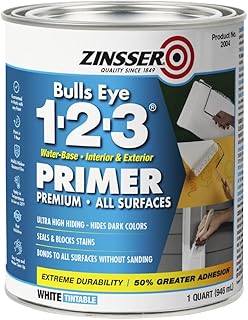
The Bulls Eye 1-2-3 is a water-base primer and sealer designed for interior and exterior use. It bonds to glossy surfaces without sanding and performs well in low-temperature conditions (as low as 35°F). Best for priming challenging surfaces and improving paint adhesion in spaces requiring even coverage. Choose this when you need a reliable primer that simplifies surface preparation and improves topcoat longevity. Caution: being water-based, it may not offer the same level of stain-blocking in certain tough scenarios as oil-based primers.
Buying Guide: Practical Considerations for Oil-Based Wall Paint
What project are you tackling? For interior walls in damp spaces, moisture resistance matters. For doors and trim, fast drying and color clarity are key. Consider gloss level, drying time, odor, and cleanup requirements. Oil-based formulations generally offer superior leveling and durability, but many modern water-based options provide lower odor and easier cleanup. Surface preparation, ventilation, and room use influence the best choice.
Finish and durability matter. If you want a high-resistance film against dirt and mildew, a mildew-proof interior paint may be advantageous. For trim and doors, fast-drying products reduce downtime. Primer and sealer options help improve adhesion on glossy or challenging surfaces. If odor sensitivity is a concern, choose low-odor formulas or consider ventilated application settings.
Color and appearance should align with room design. Light whites and pale neutrals show imperfections more readily, while deeper tones emphasize surface smoothness. Always follow manufacturer directions for surface preparation, cure times, and recoating windows to maximize durability.
Frequently Asked Questions
- Q: Are oil-based paints safer for mold resistance than latex paints? A: Oil-based paints often provide strong durability, but mold resistance depends on the specific formulation. Some oil-based products include mold and mildew inhibitors, while latex options may also offer antimicrobial features.
- Q: Can I use oil-based paint indoors with poor ventilation? A: Indoor use is possible with proper ventilation, respirators, and adherence to safety guidelines. Odor and drying times may be longer in poorly ventilated spaces.
- Q: Do primer-sealers improve adhesion on glossy surfaces? A: Yes. Primers like Bulls Eye 1-2-3 help bond to glossy surfaces without excessive sanding, enhancing topcoat durability.
- Q: Which finish is best for door repainting? A: Satin or semi-gloss finishes balance durability with ease of cleaning, making them popular for doors and trim in high-traffic areas.
- Q: Are water-based door paints as durable as oil-based? A: Modern water-based door paints offer excellent durability and faster drying but may perform slightly differently under heavy wear compared to traditional oil-based options.
- Q: Should I choose a primer with mildew resistance? A: If interior moisture exposure is a concern, selecting a primer or topcoat with mildew resistance can help protect surfaces over time.