Finding a non toxic epoxy paint that is safe for aquatic life and indoor use alike is easier when you know what to look for. This guide highlights top consumer-ready epoxy paints that are non toxic or designed for underwater use, with clear notes on suitability, best uses, and any practical limitations. Ideal buyers include aquarium hobbyists seeking safe pond coatings, homeowners refinishing appliances, and outdoor painters who need tough, long-lasting finishes on metal and concrete.
| Product | Best For | Key Benefit |
|---|---|---|
| Pond Armor Sky Blue | Pond owners and water gardens | Underwater-safe, self-priming adhesion |
| Pond Armor Black | Pond owners and underwater applications | Non-toxic, fish and plant safe |
| Rust-Oleum Appliance Epoxy White Spray | Home appliances and metal surfaces | Ultra-hard, washable finish |
| Pond Armor Gray (192 oz) | Large ponds or bulk application | Bulk quantity with underwater-ready formula |
Protective coatings must withstand environment, safety, and maintenance needs. The products below are organized to help you compare how each option serves different projects, from pond linings to appliance refinishing. Each entry notes the intended use, the safe-for-water or food-chain considerations, and a practical caveat to avoid disappointment.
Pond Armor Sky Blue Non-Toxic Epoxy Paint
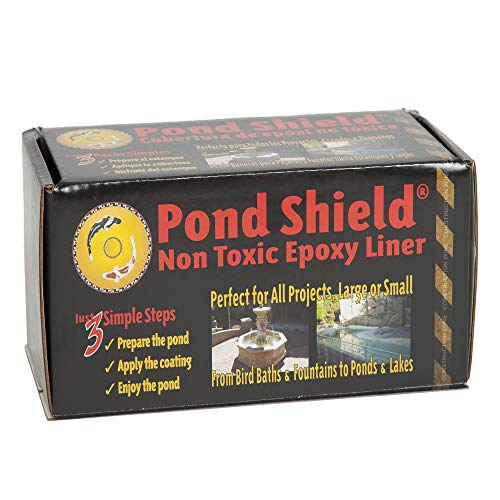
Features include a waterproof formula suited to hot and freeze-thaw climates, underwater suitability, and a non-toxic profile safe for fish and plants. The self-priming formula promotes reliable adhesion for a finished surface that is easy to maintain. Best for pond liners, water features, and aquatic installations where color and safety matter. A potential limitation is that performance depends on proper surface prep and application conditions, especially underwater scenarios.
Pond Armor Black Non Toxic Epoxy Paint

This black option shares a waterproof, underwater-safe formulation designed for non-toxicity to protect aquatic life while delivering a durable finish. It’s well-suited for underwater structures, pond features, and hard surfaces that require a resilient coat. Choose this if you want a dark, opaque finish for hiding substrate imperfections. Limitation: color choice may affect visibility in certain water environments, so testing a small area first is advisable.
Rust-Oleum Appliance Epoxy White Spray Paint

Best for refinishing exterior metal surfaces like refrigerators, dishwashers, and laundry machines. The epoxy formula creates a hard, washable surface designed to withstand everyday wear. Drying time is typically 2-4 hours to touch, with coverage around 7 square feet per can. Limitation: spray coatings may require multiple light coats for even color and full coverage; ventilation is essential during application.
Pond Armor Gray Non-Toxic Epoxy Paint (192 Fl Oz)

This gray, larger-volume option is designed for bulk applications where underwater performance and non-toxicity are priorities. It shares the same underwater use capability, makes a strong choice for larger ponds, and supports reliable adhesion with a self-priming system. Better for large areas where a single coat provides sufficient coverage. A potential caveat is the heavier quantity requiring careful handling and storage, especially in limited workspace.
Buying Guide
What should you consider when choosing non toxic epoxy paint? Start with environment, exposure, and maintenance expectations. The following points help you pick the right option.
- Water exposure: For ponds or underwater features, prioritize products explicitly labeled non-toxic and waterproof with underwater-use claims.
- Surface type: Metal, concrete, or PVC surfaces may require a self-priming, adhesion-friendly epoxy. Some products emphasize priming properties; others rely on proper surface prep.
- Color and visibility: Lighter colors can help monitor algae growth and wear. Dark colors hide substrate imperfections but may affect light conditions in water.
- Safety and fish-plant compatibility: Confirm the product is non-toxic and does not leach harmful chemicals into water or soil.
- Cure time and prep: Allow adequate curing time and ensure surfaces are clean, dry, and free of contaminants before application.
What is the best epoxy paint for ponds?
For ponds, look for epoxy coatings explicitly designed for underwater use and safety for aquatic life. Pond Armor products in blue, black, and gray variants are highlighted as suitable non-toxic options with underwater performance and self-priming adhesion.
Is epoxy paint safe for fish and plants?
Non-toxic epoxy paints claim to be fish- and plant-safe when cured and used as directed. Always verify the product’s safety certifications and ensure full curing before returning water or vegetation to the treated area.
What about appliance epoxy paints?
Appliance epoxy paints from Rust-Oleum offer hard, washable finishes suitable for exterior metal surfaces on appliances. They are not designed for aquatic environments, but they provide a durable option for home interiors and metal refurbishing projects.
How should I prepare surfaces for epoxy coatings?
Clean the surface, remove rust or old paint, and roughen with light sanding if needed. Wipe away dust and allow to dry completely. Follow the product’s instructions for priming and application conditions to ensure optimal adhesion.
How long does epoxy paint take to cure?
Cure times vary by product and environment. Some dry to the touch in a few hours, while full cure takes longer. Temperature and humidity affect curing; always follow label guidance for best results.
Are bulk epoxy paints more cost-effective?
Bulk quantities are generally more cost-efficient for large projects such as ponds or water features. They also reduce the number of coating cycles needed. Confirm storage requirements to avoid waste over time.
FAQ
- What makes a non-toxic epoxy different from standard epoxy? – Non-toxic epoxy is formulated to limit harmful leaching and be safer for aquatic life and plants when cured, making it preferable for ponds and water features.
- Can I use non-toxic epoxy outdoors? – Yes, many non-toxic epoxies are designed for outdoor conditions, but check the product’s climate suitability and UV resistance.
- Do I need a primer for pond epoxy coatings? – Some products are self-priming and designed to adhere without a separate primer; others may benefit from surface priming for better adhesion.
- How often should I recoat a pond epoxy? – Recoat intervals depend on wear, exposure, and maintenance; consult product guidelines for recommended schedules.
- Is epoxy safe to apply around plants? – When fully cured, non-toxic epoxy should minimize risk to surrounding vegetation; avoid applying directly onto live plant tissue during cure.
- What is the best practice for applying epoxy in water features? – Use a controlled environment, follow surface preparation steps, and apply in thin, even coats as directed by the manufacturer.