If you’re sanding drywall, you need a respirator that blocks fine dust and handles odors from coatings or paints. This guide highlights five top choices that balance filtration efficiency, comfort, and practical features for drywall work. Best for frequent DIY projects, contractors handling renovations, and hobbyists who prioritize odor control as well as particle filtration. Each option is described with who it’s best for, what it does well, and a clear caveat to help you choose confidently. A quick buyer’s table helps you compare at a glance.
Summary table of selected products:
| Product | Best For | Key Benefit |
|---|---|---|
| 3M Odor/Particulate Multipurpose Reusable Respirator 65021H1-DC | Odor-sensitive environments | OV/P100 filtration with oil resistance |
| 3M N95 Respirator 8511 | General drywall dust | Cool Flow Valve for easy breathing |
| 3M P100 Performance Mold & Lead Paint Removal Respirator | Remediation with odors | Added carbon layer for odor reduction |
| 3M N95 Performance Respirator 8210 | Budget-friendly DIY sanding | Advanced filter media |
| BASE CAMP M Plus Dust Mask | Lightweight, breathable filtering | Six activated carbon filters integrated |
3M Odor/Particulate Multipurpose Reusable Respirator 65021H1-DC

The 65021H1-DC uses NIOSH-approved OV cartridges with P100 filtration, designed to trap at least 99.97% of solids and some organic vapors. It’s well-suited for projects where odor from stains, varnishes, or coatings is a concern, as a carbon layer helps reduce nuisance odors. This is best for DIYers who frequently work with finishes or solvents and want reliable particle capture plus odor control. A potential limitation is that it may be heavier than basic disposable masks, which could affect comfort during long sessions.
Who this is best for: DIY homeowners tackling staining, varnishing, and coatings, or pros needing strong filtration with odor reduction. Why chosen: combined OV/P100 filtration promises high particle efficiency with odor control on nuisance vapors.
Caution: Ensure proper fit, as with any reusable respirator, to maintain seal and filtration performance over time.
3M N95 Respirator 8511

The 8511 is an NIOSH-approved N95 model featuring a Cool Flow Exhalation Valve, designed to ease breathing during drywall sanding, cutting, and cleanup. It’s ideal for those who need a balance of cost, comfort, and decent filtration for non-oil-based dust. The valve helps reduce heat and humidity that can build up inside the mask. A note of limitation: while comfortable, it does not provide protection against oil-based aerosols, so avoid exposure where oils or solvents are present.
Who this is best for: casual to moderate DIYers seeking comfort during longer sanding sessions. Why chosen: reliable N95 protection with enhanced breathability at a favorable price point.
Caution: Not suitable for oil-based vapors or solvents; consider a P100 or OV-rated option if odors accompany dust.
3M P100 Performance Mold & Lead Paint Removal Respirator

This respirator pairs a P100 filter with a carbon layer to reduce odor nuisances during mold remediation or lead-paint removal. It’s especially suitable for professionals who need strong filtration against solids and oil-based particulates while mitigating odor from volatile compounds. The design prioritizes a lightweight feel and adjustable head straps for a secure fit. Limitation: some users may prefer lighter, lower-profile models for extended wear in tight spaces.
Who this is best for: professionals tackling mold or lead paint removal where odor control matters. Why chosen: P100 filtration plus carbon layer addresses both particles and nuisance odors.
Caution: Ensure compatible with other PPE required for lead or mold work, including eye protection and skin protection as needed.
3M N95 Performance Respirator 8210

The 8210 provides NIOSH-approved N95 filtration with advanced media for easier breathing and a cushioning nose foam for comfort during extended wear. It’s a straightforward choice for drywall dust, sanding, and general cleanup. Best for: budget-conscious projects where basic protection and comfort are priorities. Limitation: it lacks the odor-reduction features of carbon-impregnated options and is not ideal where solvent vapors are present.
Who this is best for: DIYers needing dependable, affordable protection during drywall sanding. Why chosen: solid particle filtration with comfort features at a lower price point.
Caution: Use in environments with potential solvent vapors; upgrade to an OV or P100 model if odors are present alongside dust.
Full Face Organic Vapor Respirator (Tesoro Moda)

This full-face respirator provides eye and nose protection with dual activated charcoal filters and a thick lens shield. It’s designed for chemical exposure and particulate filtration, making it well suited for jobs involving multiple substances or spray coatings. Best for: projects requiring chemical and particulate protection with clear visibility. Limitation: does not work with glasses, so users wearing prescription lenses may need additional accommodations. The date on filter packaging indicates shelf-life; smaller tasks may not require a full-face model.
Who this is best for: professionals or serious DIYers handling chemical coatings or heavy odor environments. Why chosen: comprehensive face seal, chemical filtration, and enhanced visibility in one unit.
3M Half Facepiece Reusable Respirator 6200
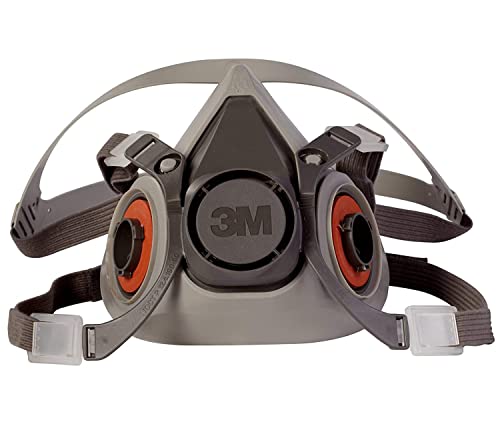
The 6200 is a versatile half-facepiece with a four-point harness and compatibility with bayonet filters for a range of pollutants. It’s durable, reusable, and suitable for professionals and serious DIYers who prefer a modular system. Best for: longer projects that require replacement filters without buying a whole new respirator. Limitation: bulkier than disposable masks; may feel less comfortable during hot weather or lengthy sessions.
Who this is best for: users needing a customizable, reusable system for mixed dust and chemical exposures. Why chosen: robust construction and broad compatibility with 3M cartridges and supplied air options.
BASE CAMP M Plus Dust Mask

The BASE CAMP mask uses six activated carbon filters to block dust, odors, and pollutants, offering a lightweight, breathable option for less intense drywall tasks. It’s best for light-duty DIY work or when comfort and airflow are priorities. Limitation: filter replacement is essential for effectiveness; the attached filter is a placeholder and should be replaced with a new filter when in use.
Who this is best for: casual DIYers and light-duty projects where comfort and airflow are valued over heavy-duty filtration. Why chosen: lower profile and enhanced breathability with carbon filtration for odor control.
Buying Guide: Key Considerations For Drywall Dust And Odor
Filtration level: For drywall dust, NIOSH-rated N95 and P100 options provide strong particle protection. If odors or solvents are a factor, look for OV-rated cartridges or a carbon layer to reduce nuisance smells.
Face fit and seal: A secure seal matters for effective protection. Reusable respirators require proper fitting and seal checks. Choose sizes and shapes that suit your face and provide comfort during long sessions.
Breathability: Features like Cool Flow valves, cushioning nose foams, and lightweight designs improve comfort. For long jobs, prioritize models with better airflow and heat management.
Filter life and replacement: Understand how often filters need replacement and whether you’re comfortable maintaining a reusable system. Some options allow quick cartridge changes, while others favor full assemblies.
Usage context: Lightweight masks work for quick, low-intensity tasks, but remediation or mold work may demand P100 filtration and carbon layers. Always match the respirator to the job’s risk level.
Safety compliance: Ensure models display NIOSH approval marks and use the correct cartridge type for the intended particulates and vapors.
FAQ
Q: What’s the difference between N95 and P100 for drywall work?
A: N95 filters at least 95% of non-oil particulates, suitable for general dust. P100 provides at least 99.97% filtration and handles oil-based particulates, offering greater protection for tough dust and mixed contaminants.
Q: Do I need odor reduction for drywall projects?
A: Odor reduction helps when coatings, stains, or solvents are used. Carbon-impregnated filters or OV-rated cartridges help mitigate nuisance odors alongside particle filtration.
Q: Can I reuse disposable respirators?
A: No. Disposable respirators are designed for single-use. Reusable respirators require proper cleaning, maintenance, and filter replacement for safety and performance.
Q: How do I know the right fit?
A: Perform a fit test or seal check per product instructions. The seal is essential to prevent air leaks and maintain filtration efficiency.
Q: Are full-face respirators necessary for drywall work?
A: They’re beneficial if you’re worried about eye exposure to dust or chemical splashes. For many drywall tasks, a half-face model with appropriate cartridges provides ample protection.