Applied correctly, clear caulk can deliver a seamless, nearly invisible seal along baseboards while protecting against water, humidity, and movement. This guide highlights five clear silicone or hybrid caulk options that perform well for baseboard installations in kitchens, bathrooms, living spaces, and entryways. Each pick targets a common buyer profile—DIY homeowners, weekend remodelers, or professionals seeking durable, flexible sealing with minimal visual impact.
Quick comparison table of featured products:
| Product | Best For | Key Benefit | Limitations |
|---|---|---|---|
| GE All Purpose Silicone Caulk, Clear 100% Waterproof | Exterior or interior; high moisture areas | Fast water resistance; strong adhesion; weatherproof | Long cure may be slower in cold conditions |
| GE Advanced Silicone Caulk Kitchen & Bathroom, Clear | Showers, sinks, counters; dynamic spaces | Very flexible; quick water-ready in 30 min | Higher flexibility may require careful tool work |
| Flex Caulk Hybrid Polymer, Clear | Wet or dry surfaces; no gun required | No tool gun needed; paintable; stretches well | May require masking for color match |
| Advanced Silicone Caulk, White (Interior/Exterior) | Multi-surface sealing; interior and exterior | Strong adhesion; shrink & crack proof; weatherproof | White color listed; baseboard blends may vary |
| Gorilla 100% Silicone Waterproof Caulk, Clear | Mold-prone, humid spaces; quick repairs | 30-minute water-ready; mold/mildew resistant | Clear formulation may show imperfections if not smooth |
GE All Purpose Silicone Caulk, Clear

Best for: interior and exterior sealing around baseboards where water exposure is possible. This 100% silicone caulk provides waterproof performance and strong adhesion, making it a practical all-purpose choice for kitchens, bathrooms, laundry rooms, and entryways. The product is designed to withstand harsh weather and maintain flexibility as surfaces shift.
Why selected: Its 100% silicone formulation delivers durable waterproofing, excellent adhesion, and weatherproofing suitable for baseboard gaps that may encounter moisture, splashes, or damp air. The seal remains flexible, accommodating small structural movements over time.
Caution: In colder environments, cure times may slow, and tooling can be less forgiving unless properly prepared and smoothed. Ensure surfaces are clean and dry before application for optimal adhesion.
GE Advanced Silicone Caulk for Kitchen & Bathroom, Clear

Best for: dynamic areas like kitchens and bathrooms where movement and moisture are routine. The caulk cures to a permanently flexible seal that resists shrinking and cracking, making it suitable for gaps along baseboards near sinks, bathtubs, or behind cabinetry.
Why selected: It emphasizes 100% silicone waterproofing with a quick water-ready performance—about 30 minutes—to minimize downtime on projects. The flexibility helps accommodate substrate movement without compromising the seal.
Caution: While it remains flexible, improper smoothing during application can lead to uneven edges along baseboards. Plan around a clean, deliberate bead for best results.
Flex Caulk Hybrid Polymer, Clear

Best for: quick, user-friendly projects where a caulk gun is not available or convenient. This product is a clear, paintable sealant that offers strong adhesion and the ability to seal wet or dry surfaces, including around baseboards in kitchens and baths.
Why selected: Its no-gun design and adjustable flow nozzle simplify application, especially along longer baseboard runs. It also resists shrinking and cracking, which helps maintain a clean, uniform bead over time.
Caution: While easy to use, you may still need slight smoothing to achieve a seamless finish along tight corners or uneven edges.
Advanced Silicone Caulk for Kitchen & Bathroom, White
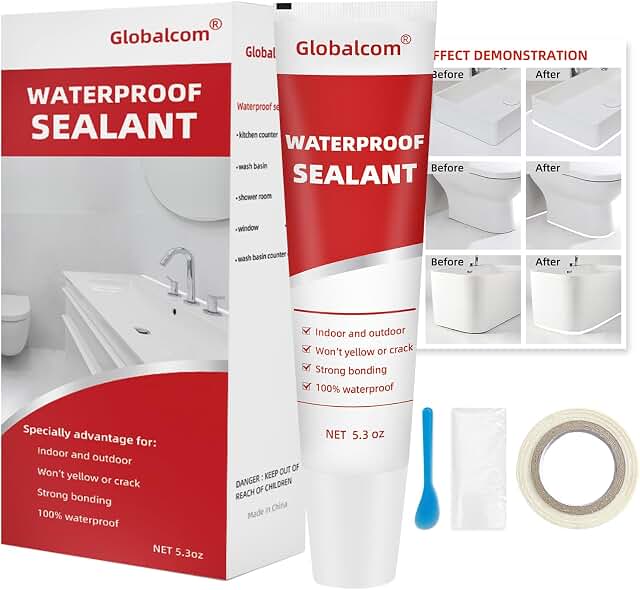
Best for: general interior and exterior sealing where a robust, long-lasting seal is needed. The white variant can blend with light baseboards while providing a durable barrier against water and weather exposure.
Why selected: This option emphasizes waterproof performance with inferred resistance to shrinkage and cracking, offering reliability for baseboard joints that touch water-prone zones or humid environments. Its versatility suits multiple substrate materials, including tile and wood.
Caution: White caulk may show darker stains or slight discoloration over time in high-moisture areas; ensure color selection matches your trim for the best visual result.
Gorilla 100% Silicone Waterproof Caulk, Clear

Best for: spaces prone to mold and mildew, such as bathrooms, basements, or kitchens where humidity is a regular factor. This clear silicone provides an invisible seal along baseboards and other trim while resisting moisture growth.
Why selected: The 100% silicone formulation is mold and mildew resistant and fast-curing, enabling repairs to be completed quickly. It is suitable for both indoor and outdoor applications, expanding its use beyond typical baseboard sealing.
Caution: Clear silicone can highlight any imperfections in the bead. Proper tool work and smoothing are essential for a flawless finish along baseboard lines.
Buying Guide: Clear Caulk For Baseboards
- Material type: Decide between pure silicone and hybrid polymer formulations. Silicone provides excellent waterproofing and flexibility, but can be harder to tool and clean. Hybrid polymers offer easier application and paintable finishes, at a slight trade-off in some long-term moisture resistance.
- Moisture exposure: For bathrooms, kitchens, or laundry areas, prioritize 100% silicone with proven water resistance and mildew resistance. For general living spaces, a flexible, paintable sealant can be more forgiving and aesthetically adaptable.
- Color and finish: Clear caulk blends with most baseboards; white is common for traditional trims, but ensure it matches or contrasts intentionally with the trim color and wall shade to achieve the desired look.
- Cure time and weather: Some products become water-ready quickly (as fast as 30 minutes) which is advantageous for time-sensitive jobs. Others may cure slower in cooler or wetter environments; plan accordingly.
- Application method: Consider whether a caulk gun is available or if a no-gun option would simplify your workflow. Adjustable flow and paintability can improve edge control and final appearance.
- Substrate compatibility: Ensure the sealant adheres to common baseboard materials such as wood, laminated wood, tile, or painted surfaces. Some products specify metal or glass compatibility and may not be required for baseboards but are useful in nearby joints.
FAQ
- Is clear caulk suitable for baseboards in kitchens and bathrooms? Yes. Clear silicone or hybrid caulks provide moisture resistance and a nearly invisible finish along trim joints.
- How soon can I expose a newly caulked area to water? Some products are water-ready in as little as 30 minutes, while others require longer cure times; always follow the manufacturer’s guidance for best results.
- Can I paint over clear silicone caulk? Most silicone caulks are not paintable without coatings or primer. If you need a paintable finish, choose a paintable hybrid polymer option.
- What’s the best choice for edge smoothness on baseboards? A product with a smooth-squeeze nozzle and a good smoothing tool or finger after tooling helps achieve clean, straight edges on baseboards.
- Will clear caulk crack over time? All caulks can crack if substrate movement exceeds the seal’s elasticity. High-quality silicone formulations typically resist cracking and shrinkage better than basic formulations.
- Is mold resistance important for baseboard caulk? In humid spaces, mold resistance is valuable; consider products advertised as mold and mildew resistant for bathrooms or basements.