Answering the common buyer need: you want reliable tools that crimp, clinch, and guide corner beads quickly and accurately. This guide highlights top drywall corner bead tools ideal for DIY remodels and professional jobs alike. The best choices are selected for ease of use, durability, and consistent results in tight corners. Suitable buyers range from weekend DIYers to professional drywall finishers seeking productivity gains.
Summary of selected products
| Product | Best For | Key Benefit |
|---|---|---|
| Goldblatt G15813 Corner Clincher | Beginners to pros | One-blow driving and crimping |
| Magisale Corner Bead Tool | Pro projects | Adjustable clamp and multi-angle locking |
| MARSHALLTOWN QLT Cornerbead Tool | Precise mud distribution | Centering in one hit, rubber mallet friendly |
| Goldenpasinee 3-in-1 Corner Tool | All-in-one versatility | Inside/outside corners and seam finishing |
| Goldblatt 2-Piece Corner Tool Set | Comprehensive kit | Separate outside and inside tools for precision |
Goldblatt G15813 Corner Clincher and Mallet
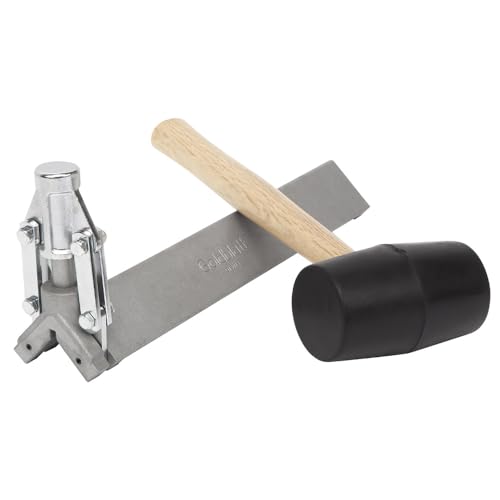
The Goldblatt G15813 combines a clincher and mallet in one tool. It is designed to quickly install drywall corner beads, crimping and driving with a single blow. Precision-ground teeth enhance long-lasting performance. Best for: beginners learning the crimp-and-press technique and pros needing a compact, reliable unit for fast installations. Limitation: may require a lighter touch for very tight or delicate corners.
Magisale Corner Bead Tool for Drywall Installation

Magisale’s tool emphasizes precision adjustment with an adjustable clamp and multi-angle locking, enabling quick spacing for accurate bead alignment. It is lightweight (about 2 lbs) and features replaceable jaws for easy punching. Best for: professional crews needing consistent, repeatable bead placement with less hand fatigue. Limitation: fewer ergonomic features for very long sessions if not used with proper grip technique.
MARSHALLTOWN QLT Cornerbead Tool

Marshalltown’s QLT Cornerbead Tool centers the corner bead for mud distribution without nails or staples. A single rubbber mallet tap crimps the bead tightly and accurately. Best for: professional settings where quick, nail-free installation is preferred. Caution: always wear safety goggles to protect eyes from flying debris during impact.
Drywall Corner Tool by Goldenpasinee 3-in-1

Goldenpasinee’s 3-in-1 tool functions for outside corners, inside corners, and seam finishing with a TPU head and ABS nylon handle. It promises a smooth mud spread with reduced sanding and a lighter toolbox footprint. Best for: contractors seeking an all-in-one solution and reducing tool clutter. Limitation: 3-in-1 capability may trade some single-purpose efficiency for versatility.
Goldblatt 2 Piece Drywall Corner Tool Set

This 2-piece set includes a 5-inch outside corner knife and a 3-1/2-inch inside corner knife with stainless steel blades. The separate tools provide precision for professionals aiming for tight, clean corners and minimal sanding. Best for: projects requiring dedicated inside and outside corner finishing. Caution: ensure proper blade angle to avoid gouging the edge.
Bon Tool Corner Bead Clinch Tool

The Bon Tool Clinch Tool crimps each side of the corner bead and locks it into place. A mallet strike centers the bead and secures installation. Best for: quick, consistent clinching in straightforward corners. Limitation: mallet sold separately, so add-on cost to complete the setup.
Corner Bead Applicator with Bucket Nest

Advance Equipment MFG Co.’s Corner Bead Applicator with Bucket Nest focuses on fast, clean mud application. It is designed for remodeling and professional work by drywallers, handymen, painters, and homeowners. Best for: quick, uniform bead application with reduced waste. Limitation: some users may prefer more manual control in intricate corners.
Kraft Tool DC806 Bead Clinch
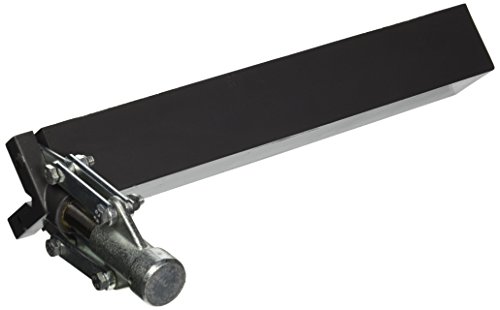
Kraft Tool’s Bead Clinch is driven by a spring-loaded arm, and a sharp blow from a rubber mallet advances the corner bead for a tight clinch. Best for: users who value a simple, strong clinch mechanism. Caution: ensure the spring mechanism remains clean and free of debris for consistent operation.
Buying Guide
What should you consider when choosing a drywall corner bead tool?
- Type of corners: Outside vs. inside corners may require different tools; multi-tool options can save space but may compromise single-task precision.
- Badging and build: Stainless steel blades resist rust and bending; high-strength iron or reinforced plastics balance weight and durability.
- Ergonomics: Lightweight handles, non-slip grips, and balanced weight reduce fatigue on long jobs.
- Jaws and adjustability: Replaceable jaws and adjustable clamps improve longevity and adaptability to various bead sizes.
- Safety: Tools requiring mallets should come with safety guidance and protective eyewear recommendations.
- Portability vs. kit completeness: All-in-one tools save space; dedicated tools may deliver higher precision for specific steps.
Frequently Asked Questions
- What’s the main difference between a corner clincher and a corner bead tool?
– A clincher typically drives and crimps the bead into place, while a dedicated corner bead tool focuses on precise alignment and finishing. Some tools combine both tasks for speed. - Is a two-piece set better than a single-tool option?
– A two-piece or multi-tool set offers specialized performance for inside and outside corners, often delivering tighter finishes and less sanding. - Should I wear safety goggles when using these tools?
– Yes, particularly when using mallets or mallet-assisted crimping to protect eyes from debris. - Are all-in-one tools worth it for professionals?
– All-in-one tools reduce toolbox clutter and can speed up workflows, but specialized tools may provide higher precision for complex corners. - What is the best material for corner tool blades?
– Stainless steel blades resist rust and bending, offering durable, smooth edge contact for consistent results. - How do I avoid damaging corners with these tools?
– Use proper blade angles, maintain steady pressure, and ensure the bead sits correctly before crimping or clinching.