Looking for alder wood stain samples that help you preview color and sheens before applying to your project? This guide highlights five practical sample kits ideal for alder-toned woods, interior panels, and outdoor decking. Each option is chosen for clear color representation, easy testing on real wood, and usefulness for contractors or DIYers. The top picks range from translucent to opaque finishes, giving you a spectrum of looks and protection levels. The buyer-friendly table below summarizes key aspects to compare quickly.
| Product | Type | Best For | Notes |
|---|---|---|---|
| DEFY Extreme Semi-Transparent Wood Stain 1 Oz Color Samples | Semi-Transparent | Outdoor decks and fences needing UV protection | Zinc nano-particle UV protection; 6 colors available |
| 30 Stain Samples – Wood Stain Sample Variety Pack | Oil-based Color Samples | Contractors and designers testing multiple woods | 30 interior oil-based colors; accurate wood representation |
| DEFY Solid Color Wood Stain – 1 oz | Opaque Solid | Hide imperfections on exterior surfaces | Matte finish; variety of color options |
| Timber Oil Deep Penetrating Stain – Sample ColorKit | Penetrating Oil | Test on decks, fences, siding, cabins | 2 oz per color; includes multiple shades |
| Avana Natural Pine Wood Color Samples | Wood Color Swatches | Match mantel or furniture tones | Five classic tones; true-to-life tones |
Note: Each kit helps you compare how alder wood might accept different finishes, including depth of color, grain visibility, and weather resistance. Use the samples on your actual wood types during the planning phase to avoid surprises later in the project.
DEFY Extreme Semi-Transparent Wood Stain 1 Oz Color Samples

The DEFY Extreme sample kit is best for outdoor projects where UV exposure is a major concern. It uses zinc nano-particle technology to act as a sunscreen for wood, helping preserve alder tones against sun damage while maintaining a semi-transparent look that highlights grain. This option suits homeowners planning decks, fences, or siding that must endure sunlight and moisture. A limitation is that only six colors are available in the sample pack, which may require ordering additional colors for broader testing.
30 Stain Samples – Wood Stain Sample Variety Pack
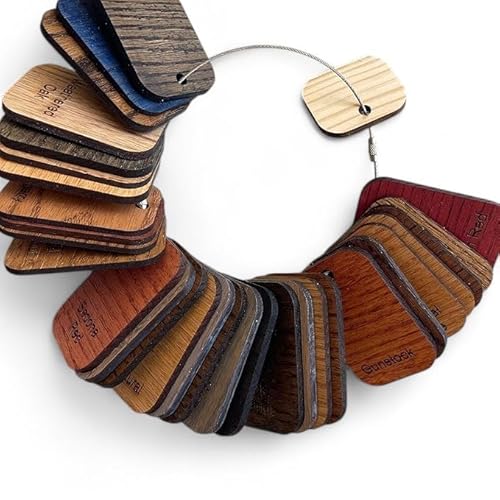
This kit is best for contractors and interior designers who need to compare multiple wood colors on different species. It includes 30 interior oil-based colors, enabling quick side-by-side testing on real wood samples. It’s particularly useful when preparing shade selections for alder or similar light-to-medium woods. A potential limitation is that the colors are interior-focused, which might not perfectly represent outdoor performance on outdoor alder projects.
DEFY Solid Color Wood Stain – 1 oz

Choose this kit if you want a true solid color finish to hide wood imperfections and achieve a uniform look on exterior alder projects. The solid stain provides a matte to modern finish and includes a variety of colors in a 1 oz format for testing. It’s best for projects where a consistent color is desired across boards. A caution: a solid color reduces visibility of the wood grain, which may not suit every aesthetic.
Timber Oil Deep Penetrating Stain – Sample ColorKit

This kit is best for penetrating oil-based stains on outdoor wood, including decks, fences, and siding. Timber Oil emphasizes deep penetration for long-term protection while still allowing color testing on alder or similar woods. It includes multiple color options in smaller samples, which helps you assess how deeply each color absorbs. Limitations include smaller sample sizes per color, which may require larger test areas to confirm even coverage.
Avana Natural Pine Wood Color Samples

Avana’s wood color samples are best for previewing real-world matches to mantelpieces, shelving, or furniture that uses alder-like tones. The five classic shades provide true-to-life tones and grain cues, helping you select a color that complements your interior decor before purchase. A limitation is that pine-based samples may slightly differ from alder texture or depth, so test on alder boards when possible.
Buying Guide
What should you look for when choosing alder wood stain samples?
- Finish type: Decide between transparent, semi-transparent, and solid colors. Transparent finishes preserve the wood grain, while solids hide imperfections.
- Outdoor vs. indoor use: Outdoor products must resist UV rays and moisture; indoor-focused samples may not fully reflect outdoor performance.
- Color range and depth: Ensure the kit includes enough options to compare how alder wood responds to light and dark tones.
- Color accuracy: Real-wood swatches are preferred over painted or veneer samples for accurate color representation on alder.
- Sample size: Larger samples enable more reliable testing on actual boards but may be bulkier to handle.
- Compatibility: Consider whether the stain is oil-based or water-based, and whether you’ll apply on bare wood or over pre-existing finishes.
Frequently Asked Questions
- What is the advantage of semi-transparent stains for alder wood?
The grain remains visible while adding color, giving a natural look that suits alder’s neutral tones. - Are sample packs suitable for outdoor projects?
Yes, but prioritize kits labeled for exterior use due to UV and moisture resistance requirements. - Should I avoid solid color stains on alder?
Solid stains hide grain; they work best when you want a uniform, painted-like finish. - Can interior color samples guide exterior color choices?
They help with general tone selection, but test on outdoor-ready wood to confirm performance. - How many colors should I test before deciding?
A practical approach is to test at least 4–6 tones to compare depth, hue, and grain visibility. - What should I do after choosing a color from a sample kit?
Purchase a full-size can or gallon in the chosen shade and test on a sample board under expected weather conditions.