Answer: If you’re updating trim, choose flexible base shoe molding for irregular walls, curved stairways, and moisture-prone spaces, and select a solid hardwood option for traditional, durable finishes. This guide highlights five top base shoe molding options that are easy to install, versatile, and suitable for American homes. Each product is evaluated for best-use scenarios, installation notes, and any limitations to help you pick the right style for your project. The buyer is typically renovating a single room, finishing a new build, or replacing aging trim where a clean edge between baseboard and floor is desired.
| Product | Best For | Key Benefit |
|---|---|---|
| FlexTrim WM126 1/2″ x 3/4″ | Curved walls, moisture-prone areas | Waterproof, paintable, easy fit |
| FLEXTRIM L254 | Modern interiors | Flexible, 12 ft length, ease of bending |
| FlexTrim WM126 12′ | Exterior/interior, high moisture | Flexible, non-warping |
| The Millwork Outlet 9921 | Art Deco/Craftsman styles | Primed fingerjoint poplar, decorative edge |
| Newmouldings EWBS11 Maple | Restoration and new builds | Solid hardwood, unfinished for stain/paint |
FlexTrim WM126: 1/2″ x 3/4″ Flexible Base Shoe Molding – 8′
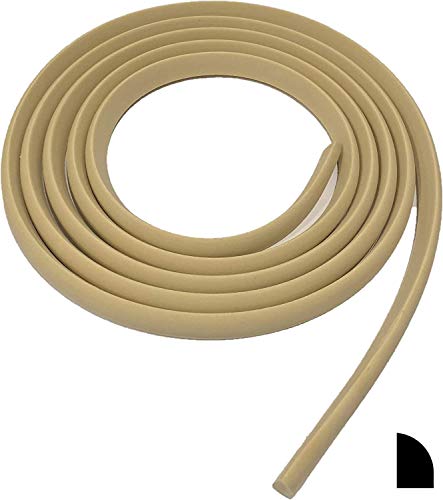
Reference features: Flexible polyurethane base shoe molding, waterproof, made in the USA, paintable or stainable with a gel-based stain, light oak wood grain appearance.
Best for: Buyers prioritizing moisture resistance and paint/gel-stain versatility in kitchens, bathrooms, or basements with irregular walls.
Why selected: The combination of waterproofing and finish flexibility makes it a reliable option for modern, water-prone settings while allowing custom color matching.
Caution: Durability depends on proper installation; use a compatible adhesive for curved surfaces.
FLEXTRIM L254: Flexible Base Shoe – Modern Style

Reference features: Made in the USA, flexible polyurethane resin, suitable for painting, 1/2″ thick by 3/4″ wide, 12′ long, includes one eased edge; bends to fit a minimum radius of 5 inches.
Best for: Modern interior designs where slim profile trim complements contemporary baseboards and needs to bend around curved walls or irregular door jambs.
Why selected: Longer length and eased edge help reduce seams in larger rooms, while flexible resin handles curves with less risk of cracking.
Caution: Best results come from painting with a gel-based product; avoid solvent-based coatings if not compatible with the resin.
FlexTrim WM126: Flexible Base Shoe – 12′ Long

Reference features: Flexible polyurethane resin, painting-friendly, minimum bend radius about 4 inches, suitable for interior and exterior use, 12′ length, 1/2″ x 3/4″.
Best for: Projects requiring longer continuous runs with minimal joins, especially around exterior entryways or damp interior spaces.
Why selected: The extended length reduces joints and helps maintain a clean line in larger rooms or hallways.
Caution: Not ideal if you plan to use non-paint finishes; verify compatibility with your chosen primer and topcoat.
The Millwork Outlet 9921 Baseboard Shoe Moulding
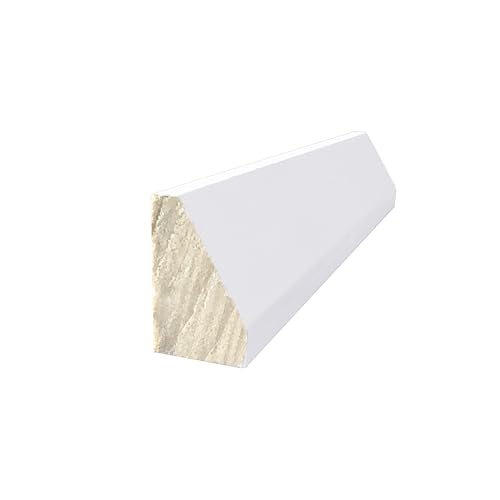
Reference features: Modern shoe moulding in 5/8″ x 1″ x 94″ with primed fingerjoint poplar; decorative edge suitable for Art Deco and Craftsman styles; trim covers gaps between baseboard and floor.
Best for: Traditional or vintage-inspired interiors where a defined decorative edge enhances architectural detail.
Why selected: The primed fingerjoint poplar provides a stable, easy-to-finish surface ideal for repainting or staining to match classic trim schemes.
Caution: Check fitment for door jambs and ensure consistent wall-to-floor clearance to avoid gaps.
EWBS11 Baseboard Shoe 3/4″ Tall x 1/2″ Quarter Round

Reference features: Solid maple hardwood, unfinished, 94″ length; durable, crisp detailing; ideal for restoration and new builds; VOC-free and eco-conscious.
Best for: Classic interior renovations or new constructions that favor natural wood finishes and precise edge definition.
Why selected: Unfinished maple offers flexibility to match or contrast with existing trim colors, while solid wood ensures durability in high-traffic zones.
Caution: Unfinished surfaces require appropriate sealing to prevent moisture-related swelling in humid areas.
Buying Guide: Base Shoe Molding Considerations
What to consider when choosing base shoe molding
- Material and finish: Choose flexible polyurethane for easier bending, waterproofing, and paint/stain versatility, or solid hardwood for a traditional, durable look.
- Profile and size: Common sizes range around 1/2″ x 3/4″ or 3/4″ tall profiles. Match to your baseboard thickness and floor type (carpet, tile, wood).
- Installation method: Flexible profiles often use adhesive or nails; ensure you have appropriate tools and follow manufacturer guidance for curved walls and tight radii.
- Indoor environment: In high-moisture spaces, select waterproof or water-resistant options to prevent warping or swelling.
- Aesthetic direction: Modern and Art Deco interiors may benefit from clean, minimal profiles, while Craftsman or traditional spaces may call for decorative edges and longer lengths.
Frequently Asked Questions
- What is base shoe molding? It is a small trim piece that covers the gap between the baseboard and the floor, guarding against pests and debris and providing a finished look.
- Can base shoe molding be installed on curved walls? Yes, flexible molds are designed to bend around curves and irregular surfaces.
- What finish should I use on flexible molding? Water-based paints or gel-based stains are typically compatible; check the product’s guidelines for best results.
- Is hardwood base shoe molding more durable than flexible molded options? Hardwood is often more durable and easier to finish, but it may require more precise installation in curved areas.
- What radius can flexible base shoe molding handle? This varies by product; examples include minimum radii of about 4 to 5 inches for most flexible lines.
- Should I prime maple base shoe before painting? Yes, priming helps achieve even color and more predictable finish results on unfinished hardwoods.