Choosing the right coating for wood trailer decks, docks, and outdoor surfaces can extend life, reduce maintenance, and improve traction. This guide highlights five top options that balance durability, water resistance, and ease of application. It targets buyers who need water-friendly protection for exposed wood on trailers, decks, and supporting structures. The selections emphasize marine-grade and heavy-duty coatings suitable for high-moisture environments, plus practical notes on application and best-use cases.
| Product | Best For | Why It Was Chosen |
|---|---|---|
| SEAL-ONCE Marine Penetrating Wood Sealer and Waterproofer | Boat docks, outdoor decks near water | UV-stable, water protection, non-hazardous to aquatic life; suits damp, salt or freshwater exposure |
| Liquid Rubber Polyurethane Deck Coating (Saddle Brown) | Heavy-duty wooden trailers and decks | 10x stronger than traditional deck paint; durable, flexible, and water-resistant |
| SEAL-ONCE Nano+Poly Wood Sealer and Waterproofer | High-traffic exterior wood surfaces | Penetrating, odorless, ultra-low VOC; long-lasting water resistance |
| KILZ Over Armor Textured Coating | Older wood or composite decks needing resurfacing | Crack-filling and hiding imperfections; thick, durable resurfacer |
| Trailer Floor Coating TK64 Roll On | Trailers, ramps, and walls in industrial settings | Durable textured finish; designed for wood, concrete, and metal surfaces |
SEAL-ONCE Marine Penetrating Wood Sealer and Waterproofer

This product forms a UV-stable coating that protects outdoor wood against water damage, salt spray, and exposure to the elements. Best for marine-grade decks, boat docks, and other surfaces near water where moisture is persistent. It is a water-based sealant with ultra-low VOC and is not intended for certain hardwoods like ipe, mahogany, or teak.
- Best for: marine environments, docks, and boat-friendly decks
- Why selected: combines waterproofing with color preservation and low environmental impact
- Limitations: not suitable for some dense hardwoods; verify wood type before application
Liquid Rubber Polyurethane Deck Coating – Saddle Brown

Engineered for decks, stairs, and trailers, this coating is designed to outlast traditional paints and stains. It provides a durable, flexible seal that resists peeling and cracking, making it suitable for high-traffic wooden trailer decks and other outdoor surfaces. A typical application calls for 2-3 coats with a 3/8″ roller or brush.
- Best for: heavy-use trailer decks and outdoor wood that sees frequent movement or load
- Why selected: superior durability and water resistance over time
- Limitations: requires proper ventilation and temperature control during application
SEAL-ONCE Nano+Poly Wood Sealer and Waterproofer

This penetrating, odorless sealant provides water resistance in high-traffic outdoor areas. It seals beneath the surface for long-lasting protection and has ultra-low VOC levels, making it safer near landscaping and water features. It is suitable for wood siding, decks, fences, and outdoor furniture.
- Best for: high-traffic exterior wood and areas where odor control matters
- Why selected: deep-penetrating protection with low VOC
- Limitations: ensure compatibility with the specific wood type and prior finishes
KILZ Over Armor Textured Coating
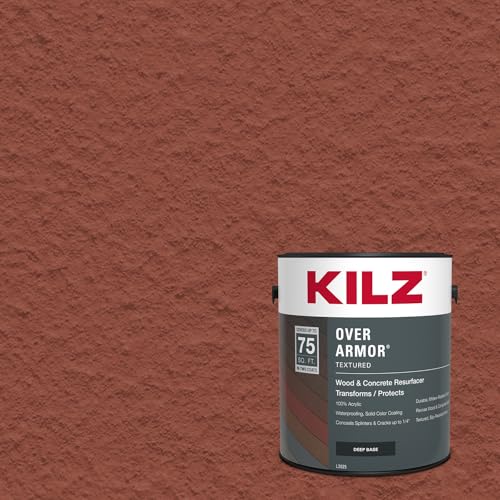
This deck resurfacer is designed to restore worn wood or concrete surfaces. It hides cracks up to 1/4 inch and provides a textured finish that improves safety while delivering a refreshed look for aging trailer decks and porches. It is ideal for residents who want a single-step resurfacing solution.
- Best for: older decks needing crack coverage and color renewal
- Why selected: combines repairing with an updated, durable finish
- Limitations: thick consistency requires careful surface preparation for best adhesion
Trailer Floor Coating TK64 Roll On

A water-based coating designed for durability, it provides a textured, slip-resistant surface on wood, concrete, and plywood. It is suitable for trailers, ramps, and walls in automotive, agricultural, and industrial contexts. The coating requires temperature control during application and curing.
- Best for: non-slip, durable trailer floors and ramps
- Why selected: offers practical traction alongside long-term wear resistance
- Limitations: not ideal in very cold or highly humid environments during application
Buying Guide: Key Considerations for Wood Trailer Deck Coatings
What should you evaluate when choosing a coating for wood trailer decks or outdoor trailer surfaces?
- Moisture exposure: Select products formulated for water resistance and moisture-prone environments, especially near lakes, rivers, and oceans.
- Durability vs. texture: Textured finishes help with traction, while smooth finishes may look sleeker but offer less grip.
- Penetration vs. film-forming: Penetrating sealers protect beneath the surface, whereas film-forming coatings create a protective layer on top. Consider the deck condition and traffic.
- VOC and safety: Ultra-low VOC options reduce odor and environmental impact, beneficial for urban settings and homes near water features.
- Wood type compatibility: Some finishes are not recommended for dense hardwoods or pretreated lumber; verify wood type before application.
- Application requirements: Temperature and ventilation limits, roller/brush recommendations, cure times, and recoat windows affect project timing.
FAQ
- What coating is best for a wood trailer deck near saltwater?
Look for marine-grade sealers that resist salt spray, such as penetrating waterproofer options with UV stability. - Can I use deck stain over a wood trailer surface?
Some products are designed as sealers rather than stains; check product specs for compatibility with deck surfaces and environment. - How many coats are typically needed?
Many polyurethane deck coatings require 2-3 coats for durability; follow manufacturer guidelines for best results. - Is odor a concern with these coatings?
Several options offer ultra-low VOC formulas, reducing odors and exposure in outdoor spaces. - Should I use a textured finish or a smooth finish on a trailer deck?
Textured finishes improve slip resistance; smooth finishes look cleaner but may be slick when wet. - Are these products safe for pre-finished woods?
Some products are designed to penetrate and bond with bare wood; verify compatibility with any existing finish.