Looking for textured paint that hides wall defects and adds character? This guide highlights five top Amazon picks that are beginner-friendly, suitable for both indoor and exterior use, and designed to create rich, durable textures with minimal tools. The best options vary by project: choose interior textures for living rooms and bedrooms, or exterior-ready coatings for balconies and fences. The table below compares the standout picks to help you decide fast.
| Product | Best For | Why It Stands Out |
|---|---|---|
| Wall Textured Paint, Cover up Wall Surface Defects (White) — SoulideDur | Indoor walls with subtle defects | Includes a dedicated texture roller; great for rock, sandstone, bark, or silk textures in one coat. |
| Wall Textured Paint, Cover up Wall Surface Defects (Grey) — SoulideDur | Condensed color matching for decor schemes | Same benefits as white variant; cohesive look with furniture and trim. |
| Zinsser 22616 Roll-A-Tex Sand Texture Additive | DIY texture customization | Texture additive that supports traditional paints for a sand texture. |
| YOA Sheepskin Texture Wall Paint, Cream White | Decorative enhancement in living spaces | Easy to use, wide color range, two-coat application for durable finish. |
| YOA Sheepskin Texture Wall Paint, Manor White | Light, warm contemporary look | Similar to cream variant with expressive textures and simple use. |
Wall Textured Paint, Cover up Wall Surface Defects (White) — SoulideDur

Best for: Indoor walls where you want fast texture and defect coverage. The thick, highly adhesive coating hides cracks, dents, and stains, reducing prep time before painting or finishing. It comes with a texture roller for easy application and versatile effects—rock, sandstone, bark, or silk textures can be achieved with rolling, stamping, or scraping.
Why selected: This option emphasizes one-coat texture with a dedicated roller, making it ideal for DIYers who want a dramatic but manageable wall upgrade without extensive base treatment. It also promises weather-resistant performance, expanding potential use beyond interiors.
Caution: While designed for indoor use, confirm your specific climate and surface compatibility if applying to exterior projects. Avoid this if you require a finished coat with high-sun stability on highly porous surfaces.
Wall Textured Paint, Cover up Wall Surface Defects (Grey) — SoulideDur
Best for: Coordinated gray tones in living spaces or offices where texture matters but color consistency is essential. The grey variant shares the same roller and texture options as the white version, offering a cohesive look with cooler palettes.
Why selected: It provides the same defect-coverage and textured finish benefits with a color option that pairs well with modern decors. It’s a strong choice when you want texture without introducing a new color family.
Caution: Like the white variant, consider exterior exposure factors if used outdoors, and avoid using on high-flex surfaces where cracking textures could worsen over time without proper substrate preparation.
Zinsser 22616 Roll-A-Tex Sand Texture Additive

Best for: DIYers who want to customize existing paint with a sand texture. This additive is designed to be mixed with compatible paints to achieve a textured look.
Why selected: It provides a simple way to introduce durable sand texture without replacing your entire coating system. It’s a good complement to flat or eggshell finishes seeking added depth.
Caution: This product is an additive, so it requires an appropriate base paint and adhesion preparation. Follow manufacturer mixing directions for optimal texture results.
YOA Sheepskin Texture Wall Paint, Cream White
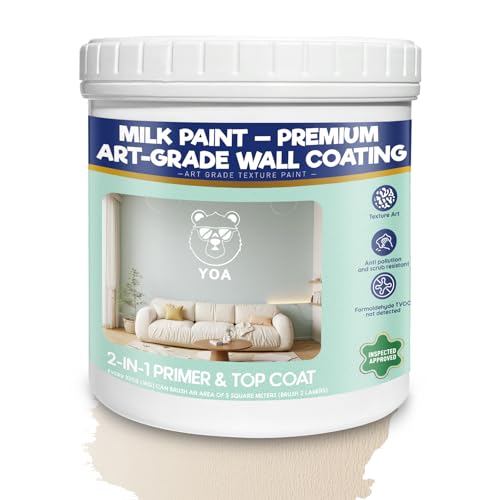
Best for: Rooms where soft texture and warm illumination are desirable. The lambskin texture creates nuanced, tactile walls with gentle light diffusion, ideal for living rooms and bedrooms.
Why selected: The product is easy to use and offers a wide color selection to suit various decors. Two coats, with proper priming, deliver enhanced adhesion and a durable finish.
Caution: As with decorative finishes, drying times can vary; plan for longer curing in humid environments and ensure proper primer compatibility for best results.
YOA Sheepskin Texture Wall Paint, Manor White

Best for: Light, airy spaces where texture adds depth without overpowering the room. Manor White offers a classic, versatile finish suitable for hallways and ceilings.
Why selected: Like the cream variant, manor white emphasizes ease of use and a broad color-match potential with existing trims and furniture. Two-coat guidance helps achieve uniform texture and color.
Caution: Avoid overworking the surface to prevent uneven texture development. Allow adequate drying time between coats for best adhesion and finish consistency.
20 oz Homax 4092 Wall Texture Interior Aerosol Orange Peel

Best for: Quick texture refresh on interior walls with minimal setup. The aerosol format is convenient for touching up or creating an even orange-peel pattern on small or irregular areas.
Why selected: It offers low odor and water-based cleanup, with an adjustable nozzle to vary texture by pattern. This makes it a practical option for fast, patchy repairs or partial room updates.
Caution: Aerosol textures can be challenging to control on large areas; use in small sections or practice on a cardboard surface first to achieve even coverage.
LAVEVE Knockdown Texture Sponge for Wall and Drywall Patch/Repair
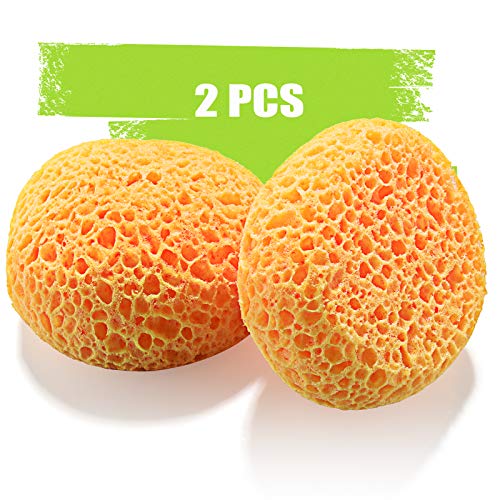
Best for: Small repairs and texture accents on drywall and plaster. The knockdown sponge helps blend new textures with existing surfaces for a seamless look.
Why selected: It’s designed to work with most paints and finishes, offering an easy tool for faux painting effects and improved depth on walls, ceilings, and patches.
Caution: This tool works best with compatible paints and proper drying times; overworking can smear or flatten textures unexpectedly.
Buying Guide: How To Choose The Right Textured Paint
- Texture Type: Decide between raised textures (rock, bark, silk), knockdown, or spray textures. Your choice affects tools, application time, and final look.
- Indoor vs Outdoor: Exterior textures require weather resistance and UV stability. Indoor coatings focus on hide defects and aesthetic texture.
- Prep Requirements: Some products hide imperfections with a single coat, while others need primer or base coats for best adhesion.
- Tooling: Some kits include a texture roller; others rely on sponges, aerosols, or additives. Consider your comfort with tools and cleanup.
- Color Coordination: If you’re pairing with existing decor, select colors that complement furniture and trim. Some textures are sold in multiple shades; others require painting after texturing.
- Drying and Curing: Dry times vary by product and climate. Plan for humidity and ventilation to prevent issues like cracking or uneven texture.
Frequently Asked Questions
- What is textured paint best for covering wall defects?
Textured coatings with built-in or accompanying rollers are effective at concealing cracks and dents while adding decorative depth.
- Can textured paint be used on exterior walls?
Some products are designed for outdoor use and provide weather resistance; confirm suitability before applying to exterior surfaces.
- Do I need a primer for textured walls?
Primer improves adhesion and uniformity, especially on new surfaces or when switching from smooth to textured finishes.
- How long does textured paint take to dry?
Drying times vary by product and climate; plan for longer drying in humid environments and ensure adequate ventilation.
- Is a texture roller necessary for all textured paints?
No; some products are aerosol-based or additive-based, while others include a dedicated texture roller for convenience.
- Can I repaint over a textured wall?
Yes, but choose a finish and primer appropriate for textured surfaces and ensure even adhesion across the texture.