When selecting concrete stain colors, think about longevity, ease of application, and the natural variegation you want on floors, patios, or countertops. This guide compares five top picks that cover acid stains and water-based concentrates, helping you choose the right option for interior or exterior projects. Best for homeowners, contractors, or DIY enthusiasts seeking durable, professional-looking color with minimal fuss.
Buyer snapshot: The top five products below offer a mix of water-based concentrates and professional-grade acid stains. The table summarizes each product’s key fit, ideal surfaces, and notable limits to help you decide quickly.
| Product | |||
|---|---|---|---|
| Concrete Stain Concentrate Just Add Water, Mocha | Smaller projects, DIYers seeking quick, even color | Concrete floors, pool decks, patios, driveways | Water-borne concentrate with marbling/mottling effects |
| Tru Tint by Walttools – Rustic (Acid Stain) | Professional-grade color with deep, lasting tones | Concrete floors, walls, countertops | Permanent, chemically reactive color; durable finish |
| 8 Color Sample Pack – Concrete Stain (8 oz bottles) | Experimentation and design freedom for color palettes | Interior and exterior concrete | Multiple colors in small bottles for testing |
| Concrete Acid Stain Semi-Transparent – Black Walnut | Classic, natural-looking translucence | Interior/exterior concrete surfaces | Elegant variegated effect; UV stable |
| CC Concrete Coatings Vivid Acid Stain – Coffee | Rich, warm tones with broad color options | Concrete floors, walls, countertops | Wide color range; penetrating stain with variegation |
Mocha – Concrete Stain Concentrate Just Add Water
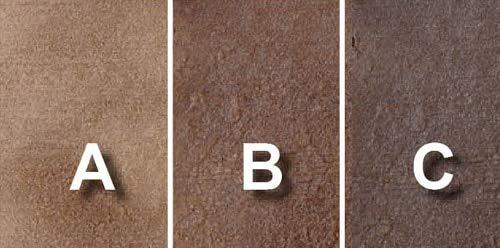
The Mocha shade from Concrete Resurrection is a medium brown, water-borne concentrate designed for quick, easy use. It is best for DIYers and small-to-medium projects where layered colors (marbling or mottling) are desired. It’s suitable for concrete floors, pool decks, patios, and driveways, with the option to layer different colors for variegated effects. A key limitation is that results depend on dilution and application technique; uniform results require controlled spraying or rolling.
Best for: DIY homeowners and hobbyists seeking a fast route to a beautiful, variable brown tone without heavy chemical handling. Why selected: This product emphasizes ease of use, fresh-to-your-door formulation, and potential for marbling when layering colors. Caution: follow dilution guidelines to avoid overly uniform appearance.
Tru Tint by Walttools – Rustic

Tru Tint by Walttools is a professional-grade acid stain designed for permanent color with a natural, variegated look. It can be sprayed, brushed, or sponged over standard concrete, vertical surfaces, overlayment, and microtoppings. The effect depends on the lime content in the concrete and the reaction time, producing a durable, permanent color that won’t fade or peel. This makes it a strong choice for high-traffic areas or longer-lasting installations. Limitation: acid stains react with existing lime in concrete, so substrate preparation matters for consistent results.
Best for: Professionals and serious DIYers aiming for a high-end, permanent color with rich depth. Why selected: It combines versatility in application with a guaranteed color permanence. Caution: test on a small area to gauge variegation before full application.
8 Color Sample Pack – Concrete Stain
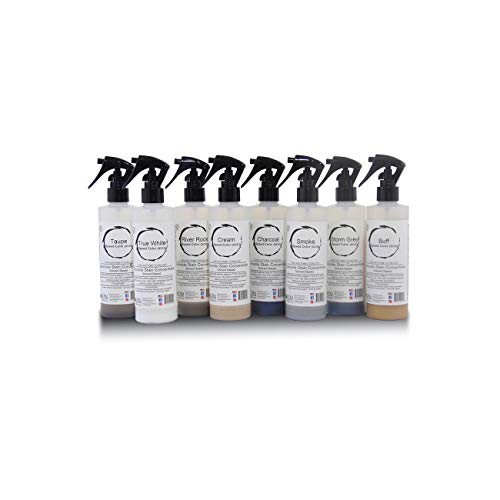
This sample pack provides eight distinct colors in fast-drying bottles, designed for testing and palette development. It uses water-based stains that dry quickly and are UV-stable for interior and exterior uses. This kit is ideal for designers who want to preview how different hues interact with existing surface tones before committing to a full project. Limitation: not intended for polishing or high-gloss finishes, and color perception can vary under different lighting.
Best for: Designers and homeowners who want to test colors before committing to a full project. Why selected: It enables side-by-side comparison and color planning, which reduces the risk of color mismatches later. Caution: not suitable for polishing or achieving a glossy look.
Black Walnut – Semi-Transparent Acid Stain

Black Walnut provides a semi-transparent, professional-grade acid stain with an elegant variegated appearance. It’s UV-stable for interior and exterior projects and yields a natural look rather than a painted finish. The stain reacts with lime in concrete, creating a durable, permanent color. Best for: projects where a natural, translucent brown is desired on both floors and walls. Caution: proper ventilation and cleanup are necessary due to chemical reaction chemistry used in the staining process.
CC Concrete Coatings Vivid Acid Stain – Coffee
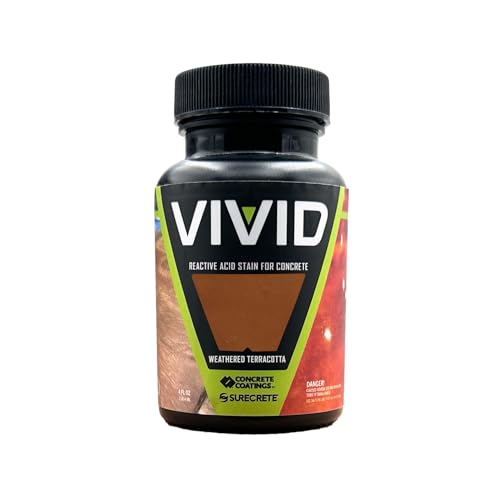
CC Concrete Coatings Vivid Acid Stain in Coffee delivers a rich, warm tone with a broad color range and variegation. It’s a penetrating chemical stain designed to deliver durable color on concrete surfaces, including floors and countertops. Best for: achieving a classic, coffee-colored finish with depth and natural variation. Caution: ensure proper substrate prep; inconsistent lime content can affect color uniformity.
Buying Guide: Concrete Stain Colors and Application Tips
What should you consider when choosing a concrete stain color? Here are practical questions and guidance to help you decide.
- What surface am I staining? Interior floors, exterior patios, or countertops may require different stain types (water-based vs acid-based) and sealers.
- Do I want a permanent color or the option to adjust with layering? Acid stains offer long-lasting color; water-based concentrates allow marbling and layering for depth.
- How important is color depth vs. translucence? Acid stains tend toward variegated, natural-toned depth; water-based concentrates can be more uniform or layered for custom looks.
- What level of maintenance is acceptable? Sealing after staining preserves color and protects from wear. Some colors may age differently under UV exposure.
- What preparation is required? Substrate conditioning, lime content, and moisture levels affect color results; small test patches are recommended.
- How will you apply? Sprayers, rollers, or brushes yield different textures. Ensure even coverage and control over run-off for consistent results.
Practical steps to get the best results
- Test color on a sample area to preview variegation and depth.
- Prepare the surface by cleaning and neutralizing residues that can affect adhesion.
- Apply in a controlled environment, following product-specific dilution or application instructions.
- Seal after curing to lock in color and protect against wear and UV fading.
Comparison at a glance
- Bright, quick-dry options: 8 Color Sample Pack and Mocha concentrate provide fast experimentation and layered color potential.
- Permanent, high-end look: Tru Tint Rustic offers durable, chemically reactive color with a classic finish.
- Natural, translucent results: Black Walnut and Coffee deliver deep, variegated tones with a traditional appearance.
Frequently asked questions
- What is the difference between acid stains and water-based stains? Acid stains chemically react with lime in concrete to create natural variegation and permanence; water-based stains sit on the surface or slightly penetrate and are often easier to clean up and adjust with layering.
- Can I use multiple colors together? Yes. Layering different colors can create marbling or mottling effects for depth.
- Will stains fade in sunlight? Acid stains are generally UV-stable, but note that color perception can change with lighting; sealing helps preserve color.
- Is a sealer required after staining? In most cases, sealing is recommended to protect color and extend longevity.
- How should I handle application on vertical surfaces? Some stains can be applied to vertical surfaces, but test first to ensure even adhesion and control.
- What preparation is essential for best results? Clean, dry surfaces with appropriate humidity and lime content considerations; patch test recommended.