Looking for a citrus-based paint remover that’s easier on skin and smells better than harsh solvents? This guide highlights top options that work well on acrylic, latex, oil-based paints, and varnishes. It’s ideal for DIYers, homeowners restoring furniture, and light renovation projects who want effective removal without caustic chemicals. The following picks are selected for versatility, ease of use, and clear application guidance.
| Product | Best For | Surface Range |
|---|---|---|
| Safe ‘n Easy Paint & Varnish Remover Gel (32oz) | General DIY projects | Wood, brick, plaster, concrete, المجلس |
| Max Strip Paint & Varnish Citrus Stripper (1 Quart) | Stripping multiple layers | Wood, metal, masonry, plastics |
| Safe ‘n Easy Paint & Varnish Remover Gel (1/2 Gallon) | Larger DIY jobs | Furniture, cabinets, floors |
| Citristrip QCG73801T Paint and Varnish Stripping Gel (1-Quart) | Vertical surfaces | Interior/exterior surfaces |
| Sunnyside 63432 2-Minute Remover Gel (Quart) | Quicker removal | Wood, metal, masonry |
Safe ‘n Easy Paint & Varnish Remover Gel – 32oz

Best for: DIY projects with wood furniture, cabinets, decks, and other surfaces. This water-based gel is formulated to remove multiple layers of acrylic, latex, oil, and water-based paints and varnishes in a single application. It contains no caustic chemicals and has a citrus scent for a more tolerable removal process. Choose this if you want a straightforward gel that clings to vertical surfaces and minimizes splash risk. Caution: always test compatibility on a small area first and follow dwell times for best results.
Max Strip Paint & Varnish Citrus Stripper – 1 Quart

Best for: Removing multiple surface coatings with a user-friendly approach. This citrus-based formula is designed to lift latex, oil-based paints, varnishes, shellac, and other coatings in typically a single application. It’s free from methylene chloride and NMP, making it a safer option for DIYers. Ideal for projects on wood, furniture, and decorative items where you want effective removal without strong chemical odors. Limitation: dwell times vary by coating type and surface, so test and reapply if needed.
Safe ‘n Easy Paint & Varnish Remover Gel – 1 Gallon

Best for: Large DIY projects or ongoing restoration work where more remover is needed. This gallon size follows the same no-caustic, citrus-scented principle, enabling extended stripping sessions on furniture, crown molding, and floor areas. It’s a solid choice for hobbyists tackling multiple pieces or a home workshop. Caution: ensure proper ventilation and wear protective gear as with any chemical remover, even water-based formulations.
Citristrip QCG73801T Paint and Varnish Stripping Gel, 1-Quart

Best for: Stripping on vertical surfaces and areas where drainage must be minimized. Citristrip Gel clings well and remains active for up to 24 hours, allowing multiple layers to come off in a single step. It’s a go-to for indoor projects or tight crevices where liquid removers may run off. Consider: outdoors or porous surfaces may require longer dwell times and closer monitoring for safe removal.
Sunnyside 2-Minute Remover Gel – Quart
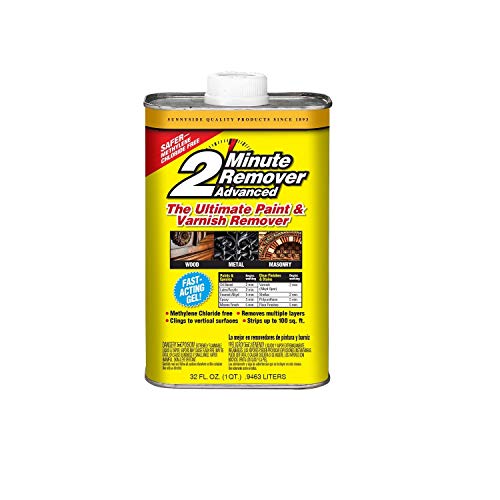
Best for: Quick projects where time is a factor. Sunnyside’s gel claims to remove multiple layers in one application and is formulated to be safer than traditional methylene chloride-based products. It works well on wood and masonry without damaging underlying materials. Choose this if you need a faster-dwell-capable remover and are comfortable following the recommended waiting times. Limitation: some coatings may require more than one pass for complete removal depending on thickness.
Buying Guide
What should you consider when choosing a citrus-based paint remover?
- Coating type and layers: Determine whether you’re removing latex, oil-based paints, varnishes, or multi-layer coatings. Gel-based products often perform better on vertical surfaces and peeling edges, while liquids can cover larger flat areas quickly.
- Surface compatibility: Check if the remover is safe for wood, metal, brick, plaster, or masonry. Porous surfaces may require longer dwell times or multiple applications.
- Safety and odors: Citrus-based removers reduce harsh fumes but still require gloves and ventilation. Look for non-caustic formulations if you have sensitive skin or indoor use.
- Application method: Gels cling to vertical surfaces; liquids spread easily; sprays offer quick spot treatment. Choose based on project shape and access.
- Dwell time and testing: Always test on a small inconspicuous area to confirm coating compatibility and timing before full removal.
- Cleanup and disposal: Consider how you’ll remove softened coating (scraper, brush, or cloth) and follow local disposal guidelines for chemical residues.
Practical Tips For Best Results
- Work in a well-ventilated area and wear protective gloves and eye protection.
- Apply an even coat to ensure consistent penetration and avoid dry edges that may resist removal.
- Remove softened coating promptly with a scraper or putty knife to prevent re-adhesion.
- After removal, neutralize or rinse surfaces as recommended by the product’s instructions to prepare for refinishing.
Frequently Asked Questions
- Q: Are citrus-based paint removers safe for wood furniture? A: Yes, many citrus-based removers are designed to be safe for wood when used as directed and tested on a small area first.
- Q: Do these products require protective gear? A: Yes. Use gloves and eye protection, and ensure good ventilation during use.
- Q: Can I use citrus remover on metal or masonry? A: Most citrus removers work on multiple surfaces, but check the product’s surface guidance and test first on a small area.
- Q: How long should I leave the remover on the surface? A: Dwell times vary by product and coating; follow the manufacturer’s instructions and reapply if necessary.
- Q: Is cleanup difficult after using a gel remover? A: Gels are generally easy to remove with a scraper or damp cloth; rinse the area as directed to remove residue.
- Q: Can I use these removers outdoors? A: Some products are formulated for indoor and outdoor use; verify weather and surface suitability before use.